
Flowers
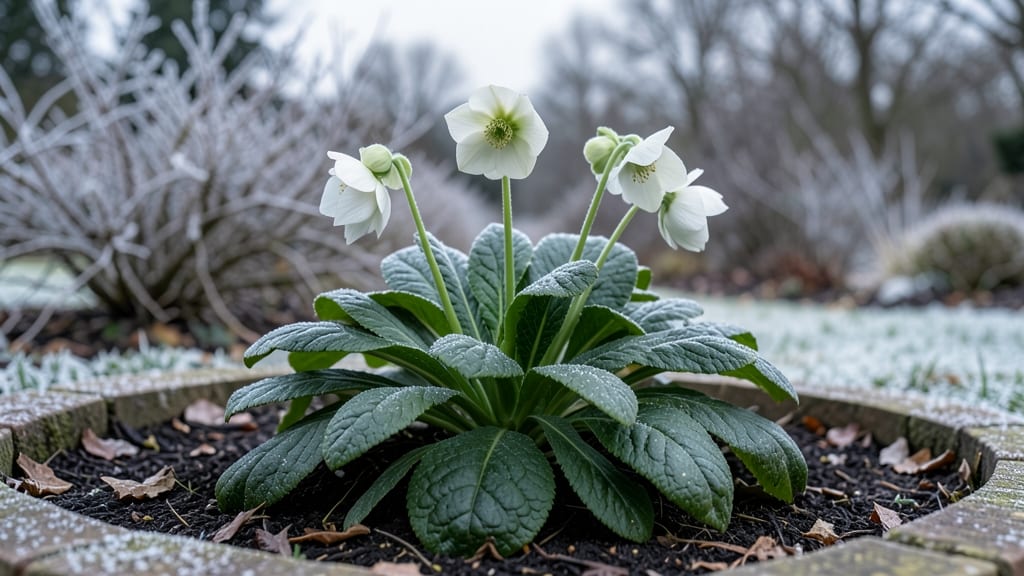
Are there flowers that bloom in winter? They are the unsung heroes of the garden, turning frosty landscapes into vibrant canvases when most plants lie dormant.
Picture this: a crisp December morning where your yard bursts with color instead of gray. That’s not a dream—it’s possible with the right cold-hardy blooms. Many winter flowers not only survive frost but thrive in it, offering cheerful hues and fragrant scents that lift spirits during the darkest months.
From hellebores that nod their delicate blooms in early spring to winter jasmine 🌸 with its bright yellow cascades, there are plenty of options for every climate and garden style.
Whether you’re in USDA Zone 6a or beyond, these resilient plants prove that winter gardens can be just as stunning as their summer counterparts.
Below, I’ll share 15 top winter-blooming varieties, their care secrets, and how to design a garden that stays vibrant all year—no green thumb required.
15 Cold-hardy winter flowers that bloom in frost
Winter gardens can be just as vibrant as spring or summer landscapes—if you know which cold-hardy flowers to plant. Many varieties thrive in frost, offering cheerful blooms when most plants are dormant.
These winter-blooming flowers not only survive freezing temperatures but often flourish in chilly conditions, making them perfect for year-round color.
From delicate snowdrops that poke through snow to hellebores with nodding blooms, these plants defy winter’s chill. Whether you’re in USDA Zone 3 or Zone 8, there’s a frost-resistant flower that will brighten your garden.
Let’s explore the top 15 cold-hardy winter flowers, categorized by bloom time, color palette, and care requirements.
⚠️ summary table ⚠️
| Flower | Bloom Time | Hardiness Zones | Color Palette | Care Tips |
|---|---|---|---|---|
| Snowdrops (Galanthus) | Late winter | 3-9 | White, green | Plant in partial shade, mulch heavily |
| Hellebores (Helleborus) | Winter-spring | 4-9 | Pink, purple, white | Keep soil moist but well-draining |
| Winter Jasmine (Jasminum nudiflorum) | Late winter | 6-9 | Bright yellow | Prune after spring blooming |
| Winter Aconite (Eranthis hyemalis) | Early winter | 3-8 | Golden yellow | Plant in full sun to partial shade |
| Camellias (Camellia) | Fall-winter | 7-10 | Pink, red, white | Acidic soil, morning sun |
| Pansies (Viola) | Fall-winter | 5-11 | Purple, yellow, blue | Deadhead spent blooms regularly |
| Crocuses (Crocus) | Late winter | 3-8 | Purple, white, yellow | Plant bulbs in fall for spring blooms |
| Daffodils (Narcissus) | Late winter | 3-10 | Yellow, white, orange | Well-draining soil required |
How to create a stunning winter flower garden: planting and care tipsCreating a vibrant winter garden is easier than you think! With the right cold-hardy flowers and proper care, you can transform your yard into a colorful winter wonderland. The key lies in selecting plants that thrive in chilly temperatures and providing them with the ideal growing conditions. Start by choosing a mix of evergreen shrubs, perennial flowers, and winter-blooming bulbs that will provide year-round interest. These plants not only survive frost but also add structure and texture to your garden when most other plants are dormant.
1
2
3
|