
Blooming
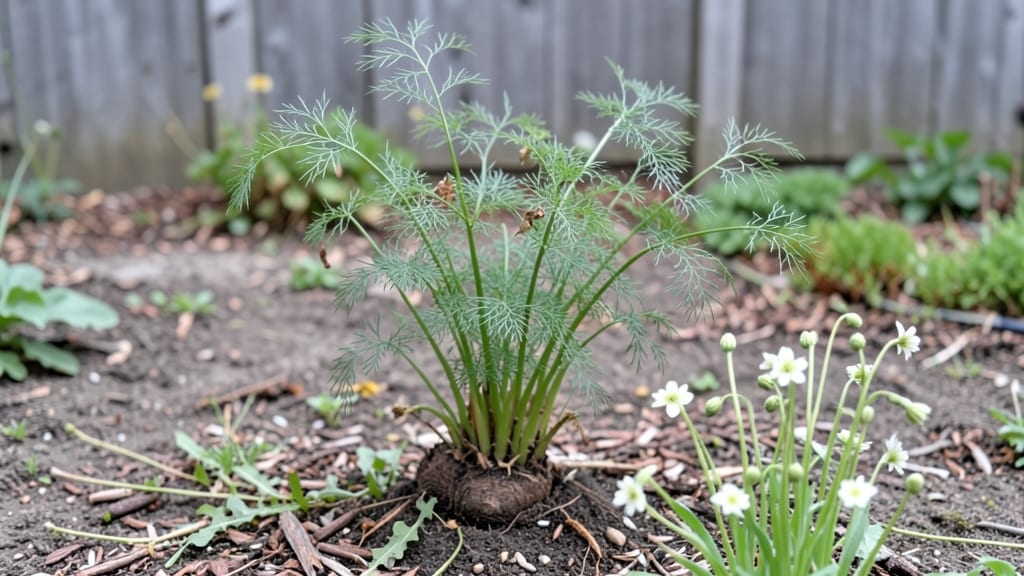
Your asparagus flower bloom signals the plant’s maturity and a thriving harvest—if you know how to read the signs.
Watching your asparagus plants burst into delicate purple or white blooms isn’t just beautiful—it’s a sign your harvest is thriving. But many gardeners miss this key phase, wondering when it happens and how to encourage it naturally without sacrificing yield.
In USDA Zone 6a, these blooms typically appear in late spring, around April to June, depending on plant age and care. The good news? You can actually use this stage to boost next year’s spears—or even save seeds for new plants.
Below, I’ll break down the exact timing, how to tell healthy blooms from stressed ones, and the simple tricks to keep your asparagus productive while enjoying those pretty flowers.
When asparagus flowers bloom: seasonal timing & plant age factors
Your asparagus plants typically produce their first flowers in late spring to early summer, about 2-3 years after planting. This timing aligns with their natural growth cycle, where energy shifts from spear production to flowering.
For most varieties, you’ll see those delicate purple or white blooms emerging in May or June, depending on your USDA hardiness zone and local climate.
In warmer climates (Zones 8-10), blooms may appear as early as April, while in cooler regions (Zones 3-6), flowering often delays until late June or early July. Understanding these regional differences helps you anticipate—and even encourage—this beautiful phase in your garden.
The summary table below breaks down the key factors influencing bloom timing, including plant age, variety type, and climate adjustments for your region. Use this as your quick-reference guide to predict when your asparagus will flower.
| Factor | Timing Details | Regional Adjustments |
|---|---|---|
| Plant Age | Year 2-3 after planting | Younger plants (Year 1) focus on root growth; flowering starts in Year 2. |
| Variety Type | Purple (e.g., 'Purple Passion') or White (e.g., 'Mary Washington') | Purple varieties bloom 1-2 weeks earlier than white. |
| Climate Zone | Late spring to early summer |
|
| Sunlight Needs | 6+ hours of full sun | Insufficient sun delays flowering by 2-4 weeks. |
| Soil Temperature | 60-70°F (15-21°C) | Cooler soils (<55°F) slow bloom development. |
Young asparagus plants—those in their first year—won’t flower at all. Instead, they focus on establishing a strong root system and crown. By Year 2, you’ll start seeing small, sparse flowers, while Year 3+ plants produce abundant blooms.
This progression is natural, but you can accelerate flowering by providing consistent care, like balanced fertilization and proper watering.
Some gardeners worry that early flowering reduces spear production, but this isn’t true if your plants are healthy and mature. In fact, well-established asparagus (3+ years old) can handle flowering without sacrificing yield.
The key is ensuring your plants have enough nutrients and sunlight to support both spears and flowers.
If you’re growing multiple asparagus varieties, note that purple varieties (like 'Purple Passion') tend to bloom 1-2 weeks earlier than white varieties (like 'Mary Washington'). This difference can be useful if you’re trying to stagger blooms for extended visual interest or seed production.
For example, planting both types can create a 3-4 week bloom window instead of just 1-2 weeks.
In cooler climates, like those in USDA Zones 3-6, asparagus flowers may not appear until late June or July. This delay is normal, but you can help by mulching heavily in early spring to warm the soil faster.
In warmer zones (7-10), where blooms start earlier, focus on shade cloth during peak heat to prevent flower stress.
One common misconception is that cutting asparagus flowers will boost spear production. While removing flowers can redirect energy to spears in young plants (Year 2), mature plants (3+ years) benefit from leaving flowers intact for seed production.
This balance ensures long-term plant health and future harvests. Always prioritize plant maturity when deciding whether to prune blooms.
To encourage earlier blooms, focus on soil health and consistent moisture. Asparagus thrives in well-draining, slightly alkaline soil (pH 6.5-7.5). Amend your soil with compost or aged manure before planting, and apply a balanced fertilizer (5-10-10) in early spring.
Avoid over-fertilizing with nitrogen, as this can delay flowering while promoting excessive foliage.
Finally, keep an eye on your plants for signs of stress or disease, which can disrupt flowering. Yellowing fronds or stunted growth may indicate nutrient deficiencies or pests like asparagus beetles. Address these issues promptly to ensure your plants remain vigorous and productive
How to encourage asparagus flower blooms without reducing harvest
Encouraging asparagus flower blooms is easier than you think—it just requires a few targeted adjustments to your care routine. The key lies in balancing nutrient levels, watering consistency, and pruning strategies to support both spear production and flower development.
Many gardeners mistakenly assume cutting flowers will boost harvests, but the opposite is often true: healthy blooms signal a thriving plant ready to produce more spears next season.
First, focus on soil fertility. Asparagus needs a balanced ratio of potassium to phosphorus—typically a 5-10-10 fertilizer—to encourage both root growth and flowering. Apply this in early spring and again after harvest to support the plant’s energy demands.
Avoid over-fertilizing with nitrogen, which can promote leafy growth at the expense of blooms.
Encouraging Asparagus Flower Blooms
Pros
- ✅ Healthier plants: Blooms indicate strong energy reserves.
- ✅ Future harvests: Flowers produce seeds for next year’s growth.
- ✅ Natural pest control: Some pollinators deter harmful insects.
Cons
- ⚠️ Reduced current spears: Energy diverted to flowers may limit harvest.
- ⚠️ Seed production: Flowers can spread if not managed.
- ⚠️ Pest attraction: Beetles may target blooming plants.
Next, adjust your watering schedule. During the blooming season (late spring to early summer), water deeply once weekly to encourage root development. Avoid shallow watering, which stresses the plant and reduces flowering.
Mulch around the base with straw or wood chips to retain moisture and regulate soil temperature—this helps the plant focus energy on both spears and flowers.
Pruning plays a critical role. After harvest, trim back fern-like foliage to 6 inches tall in late fall or early winter. This redirects the plant’s energy toward root and crown growth, which directly impacts next year’s flowering and spear production.
Avoid cutting back too aggressively, as this can weaken the plant and delay blooms.
Finally, monitor for asparagus beetles, which target blooming plants. Handpick adults or use neem oil to protect flowers without harming pollinators. If you notice yellowing leaves or stunted growth, adjust your fertilizer ratio—too much nitrogen can suppress flowering while too little phosphorus stunts bloom development.
With these adjustments, your asparagus will reward you with vibrant blooms while maintaining a healthy spear harvest. The key is patience and balance—let the plant guide you! 🌿