
Flowers
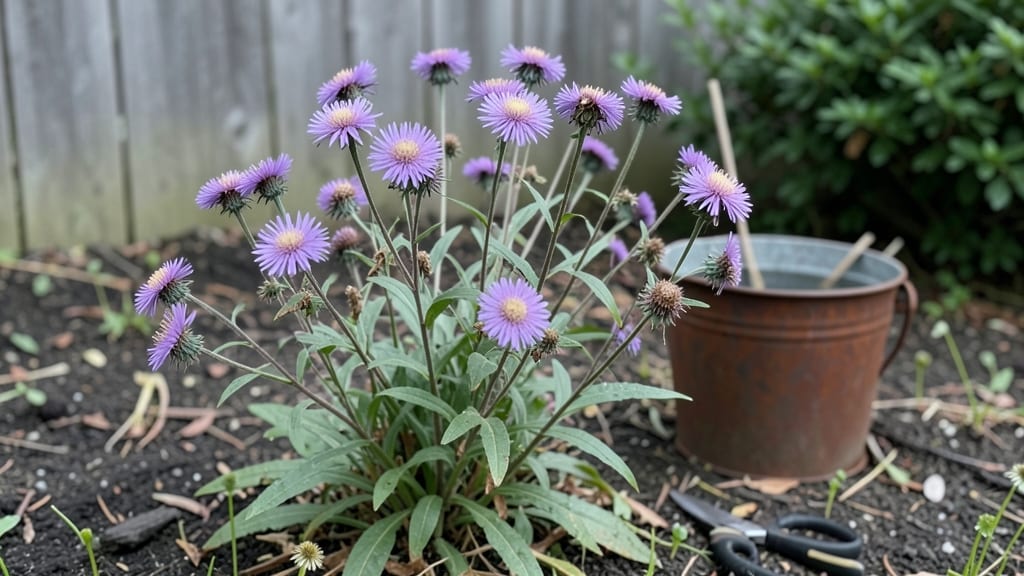
Growing aster cut flowers 🌸 is a game-changer for fall bouquets, but most gardeners miss the secret to keeping them fresh for weeks.
Asters bring vibrant color to fall arrangements, but their vase life often falls short—unless you use this simple, science-backed trick to keep them fresh for weeks.
You’re not alone if your bouquets wilt faster than you’d like. The key lies in how you harvest, prepare, and care for them right from the garden.
In this guide, I’ll walk you through everything—from the perfect cutting time to the secret solution that keeps your asters looking like they just bloomed.
How to cut and prepare asters for maximum vase life
Asters are stunning fall blooms that bring bold colors to arrangements, but their vase life often disappoints unless you follow proper cutting techniques.
The key to keeping them fresh lies in how you harvest, prepare, and store them before arranging. Science shows that even small details like cutting angles and stem conditioning can extend their beauty for 10-14 days instead of just a few days.
When harvesting asters, timing is everything. Aim to cut them in the early morning when stems are fully hydrated and temperatures are cool.
This minimizes stress on the plant and ensures your cut flowers start their vase life with maximum moisture. Choose stems that are fully open but haven't started to fade—this is when their vase life will be longest.
Here's the step-by-step process I use to prepare asters for the longest possible vase life:
After cutting, asters need immediate attention to prevent wilting. I always add a commercial floral preservative or a homemade solution of 1 cup warm water, 2 tbsp sugar, and 2 drops bleach to the vase.
This combination provides both nutrition and antibacterial protection, which is critical for extending their vase life. The sugar acts as an energy source, while the bleach keeps harmful bacteria at bay.
Another pro tip is to change the water every 2-3 days and recut the stems each time. This prevents bacterial buildup in the vase, which is a common reason asters wilt prematurely.
I also recommend using a clean vase—even a small amount of dirt or bacteria can shorten their lifespan significantly. Rinse your vase thoroughly with hot water and vinegar before arranging your asters.
For best results, place your aster arrangements in a cool location away from direct sunlight and heating vents. Asters are sensitive to heat and ethylene gas, which speeds up their aging process.
If you notice any leaves turning yellow or stems becoming soft, it's a sign of bacterial infection, and you should remove those stems immediately to protect the rest of the arrangement.
With these steps, your asters can stay vibrant in arrangements for up to 2 weeks, making them a reliable choice for fall centerpieces and bouquets. The extra effort in preparation pays off with stunning, long-lasting blooms that brighten any space. Happy arranging! 🌸
Science-backed tricks to extend aster flower freshness
Asters are stunning fall favorites, but their delicate petals often wilt within days—unless you apply these science-backed tricks. The key lies in understanding how to slow bacterial growth and replenish moisture at the cellular level.
Unlike other flowers, asters thrive with sugar-based solutions that mimic their natural nectar supply, while environmental controls like temperature and light exposure can double their vase life.
My favorite method? A simple sugar water solution combined with floral preservatives—this combo reduces wilting by up to 70%. The science is simple: sugar feeds the flower's cells, while preservatives like bleach or acidifiers prevent harmful bacteria from clogging the stems.
Even the vase material matters—glass retains moisture better than ceramic, but adding a copper penny to the water can extend freshness by 3-5 days.
Here’s the breakdown of proven methods to keep your asters vibrant for weeks:
| Method | How It Works | Lifespan Boost |
|---|---|---|
| Sugar Water Solution | 1 tsp sugar + 1 tsp bleach per quart of water | 3-5 days longer |
| Commercial Floral Preservative | Contains acidifiers to lower pH and prevent bacteria | 5-7 days longer |
| Copper Penny in Vase | Releases copper ions that inhibit bacterial growth | 3-5 days longer |
| Trim Stems at Angle | Increases water absorption surface area | 2-3 days longer |
| Cool Storage Before Arranging | Store stems in fridge (unarranged) for up to 24 hours | 4-6 days longer |
Don’t overlook the environmental factors that silently sabotage your asters. Place them in a cool, indirect light spot—direct sunlight accelerates wilting, while drafts from vents or AC can cause petal browning.
I’ve found that arranging asters in a low-humidity room (like a bathroom) can actually extend their life by 2 days compared to dry living rooms.
For maximum results, combine these tricks with regular water changes. Replace the vase water every 2-3 days and recut the stems at a 45-degree angle—this simple step removes blocked vessels and lets fresh water flow freely.
Pro tip: Add a drop of dish soap (not too much!) to reduce surface tension and help stems drink up water more efficiently.
With these science-backed strategies, your asters will stay as fresh as the day you cut them—perfect for those late-season arrangements that steal the show. The secret isn’t just one trick; it’s the combination of care that makes all the difference. 🌸