
Flowers
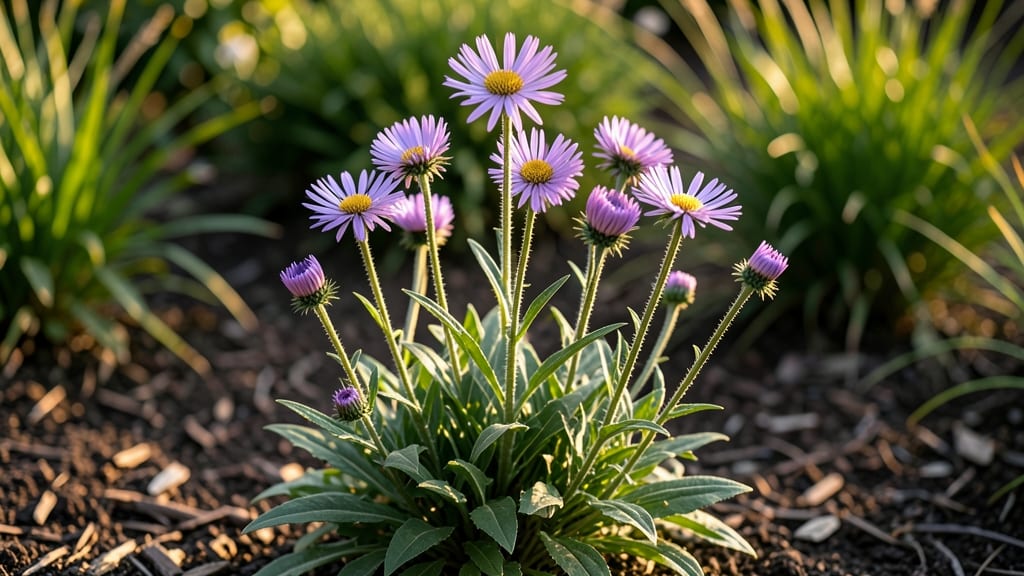
Your aster flowers' height can transform your garden from a sea of green to a cascading waterfall of color — and knowing the right variety for your space is the first step to success.
Picture this: a 6-foot 'Profusion' aster towering over your patio, or a dainty 1-foot 'Wood’s Blue' spilling over a container. The difference isn’t just in the view — it’s in how you plant, space, and even prune them.
Without the right height guide, you might end up with crowded blooms or flopping stems that ruin the look.
Below, I break down the height ranges of popular aster varieties, from compact dwarf types to tall garden giants, and share the exact spacing and support tricks to keep them thriving.
Whether you’re designing a border or filling a pot, these tips will help you choose the perfect size for your space.
You’ll also discover how to control height through simple pruning, when to stake those 4-foot beauties, and why some varieties grow taller in cooler climates. Let’s get your aster garden looking its best!

Aster flower height by variety: dwarf to giant sizes explained
Aster flowers are a gardener's dream for adding late-season color, but their height varies dramatically depending on the variety. Some stay compact enough for container gardens, while others reach towering heights perfect for backyard focal points.
Knowing these differences helps you plan spacing, staking, and garden layout for maximum impact.
From delicate 1-foot dwarfs to 6-foot giants, asters offer versatility for every garden space. Whether you're designing a front-border display or a wildflower meadow, selecting the right height ensures your blooms shine without overpowering other plants. Let's explore the most popular varieties and their mature sizes.
| Variety | Height Range | Best For | Spacing Needs |
|---|---|---|---|
| 'Wood's Blue' | 1-2 ft | Containers, borders | 12-18 inches apart |
| 'Profusion' Series | 4-5 ft | Back of borders, cut flowers | 24-36 inches apart |
| 'Patriot' Series | 3-4 ft | Mixed borders, pollinator gardens | 18-24 inches apart |
| 'Alma Potschke' | 2-3 ft | Cutting gardens, cottage gardens | 15-20 inches apart |
| 'Little Carlow' | 1.5-2.5 ft | Rock gardens, window boxes | 10-12 inches apart |
| 'Royal Velvet' | 5-6 ft | Backdrop planting, tall arrangements | 30-36 inches apart |
Dwarf varieties like 'Wood's Blue' and 'Little Carlow' are perfect for small spaces or container gardening. Their compact stature makes them ideal for front-of-border planting where you want to highlight their delicate blooms.
These varieties typically mature between 1-2 feet tall, making them easy to incorporate into existing garden designs without overwhelming other plants.
For mid-height options, consider 'Patriot' series or 'Alma Potschke', which reach 3-4 feet at maturity. These varieties strike a balance between garden presence and manageable size, working beautifully in mixed borders or pollinator-friendly gardens.
Their moderate height allows them to complement both shorter perennials and taller shrubs.
The 'Profusion' series and 'Royal Velvet' are the tallest aster varieties, often exceeding 4 feet and reaching up to 6 feet. These garden giants are best suited for backyard planting or as dramatic focal points.
Their tall, sturdy stems make them excellent choices for cut flower arrangements, adding height and structure to bouquets.
When planning your aster garden, consider how height will affect light exposure and air circulation. Taller varieties may cast shade on shorter plants, so place them toward the back of borders.
Additionally, wind exposure can cause taller asters to flop or lean, requiring staking or support in exposed locations.
If you're growing asters in containers or small gardens, choose dwarf or semi-dwarf varieties to avoid overcrowding. These compact plants thrive in 5-10 gallon pots with proper drainage and spacing. For larger gardens, mix heights and colors to create visual interest and extend your late-season
How to control aster flower height for optimal garden design
If your aster flowers are growing taller than planned—or not reaching their full potential—don’t worry! With the right techniques, you can shape their height to fit your garden design. Tall varieties like 'Patriot' asters (3–4 ft) need support, while dwarf types (1–2 ft) thrive in tight spaces.
The key lies in pruning, staking, and spacing, all adjusted by season.
Start by understanding your aster variety’s natural growth habit. Some, like 'Profusion' asters, grow 4–5 ft tall and benefit from early training, while others stay compact.
By combining pruning techniques with proper seasonal care, you can encourage the exact height you desire—whether that’s a low border or a back-of-the-bed statement.
- 🌱 Prune early in spring to control height—cut back 1/3 of stems by June for compact growth. This works best for tall varieties like 'Wood’s Blue'.
- ✂️ Deadhead spent blooms regularly to prevent legginess and encourage bushier growth. Use clean bypass pruners to avoid damaging stems.
- 🪴 Stake tall asters (3+ ft) with bamboo stakes or tomato cages tied gently with soft plant ties. Insert stakes early in the season to avoid disturbing roots.
- 🌿 Space dwarf varieties (1–2 ft) 8–12 inches apart for full coverage, while tall types need 18–24 inches to avoid overcrowding and stunted growth.
- ☀️ Adjust sunlight exposure—partial shade can reduce height slightly, while full sun promotes taller, sturdier stems. Monitor for flopping in hot afternoons.
- 💧 Water deeply at the base (not leaves) to strengthen stems. Overhead watering can weaken stems and cause top-heavy growth.
- 🌡️ Fertilize lightly in early summer with a balanced 10-10-10 to support stem strength. Avoid high-nitrogen fertilizers, which promote leafy growth over flowers.
For tall aster varieties, I recommend pruning in stages—start with a light trim in early summer to encourage branching, then deadhead throughout the season. This creates a fuller, more controlled shape while preventing flopping in wind or rain.
If your asters are already too leggy, a harder prune in late summer can reset growth for next year.
Seasonal adjustments are key: Reduce watering in fall to slow growth before winter, and remove dead foliage in early spring to prevent disease that could weaken stems. Mulch around the base of plants with 2–3 inches of organic mulch to insulate roots and promote even growth.
Remember, aster height is influenced by genetics, care, and environment. By combining pruning, staking, and proper spacing, you’ll create a structured, beautiful display that fits your garden’s vision—whether you prefer low borders or dramatic backdrops. 🌼