
Blooming
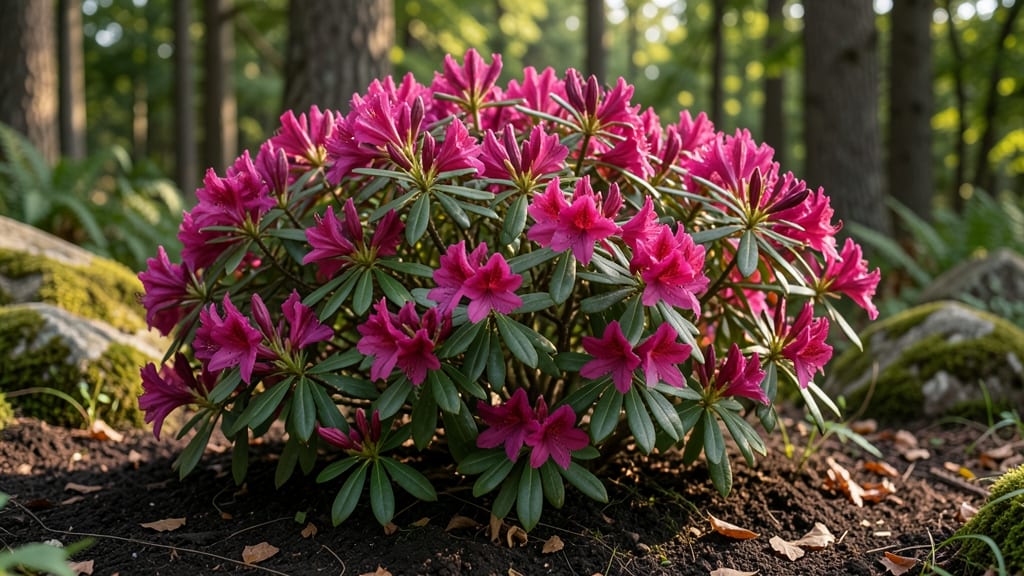
Azalea flowering time varies dramatically by variety, with some bursting into bloom as early as March and others waiting until June 🌸 — and getting those exact months right can transform your garden from "ho-hum" to "showstopper."
Picture this: you’ve waited all winter, and suddenly, your yard erupts in a riot of color—only to realize your neighbors’ azaleas have been in full glory for weeks.
That’s the difference between knowing your early bloomers (like Rhododendron indicum) peak in April and your late bloomers (such as Rhododendron obtusum) shining in May or June.
But it’s not just about the calendar. Climate, sunlight, and even last year’s pruning decisions can shift your azalea’s timeline by weeks. In Zone 6, for example, a late frost might delay blooms, while too much afternoon sun can scorch buds before they open.
Here’s the good news: with a few simple adjustments—like pruning at the right time or tweaking your watering schedule—you can nudge your azaleas to bloom exactly when you want them to. Let’s break down the science (and secrets) behind it.
Exact azalea flowering months by variety: early, mid, and late bloomers
If you’ve ever wondered why your neighbor’s azaleas bloom in spring while yours wait until summer, the answer lies in the variety. Azaleas fall into three distinct blooming categories—early, mid, and late—each with precise flowering windows.
Understanding these timelines helps you choose the right plants for your garden’s seasonal display and adjust care accordingly.
Most azaleas bloom in spring, but some varieties surprise gardeners with fall blooms. The key difference? Genetics and climate triggers. Early bloomers like Rhododendron indicum often flower in March-April, while late bloomers such as Rhododendron obtusum wait until May-June.
Regional variations in USDA Zones 6-9 can shift these windows by 2-4 weeks, so knowing your zone is critical.
For example, in Zone 7, early bloomers may start as early as February, while in Zone 9, late bloomers might extend into July. Below, I’ve broken down the most popular azalea varieties by their typical flowering months, including regional adjustments for optimal planning.
One of my favorite early bloomers is Rhododendron indicum, which often starts flowering in late winter if temperatures dip below 40°F for a few weeks. This variety thrives in Zones 6-8 and can even rebloom lightly in fall if given proper care.
For a longer bloom season, pair early and late varieties—like planting Rhododendron obtusum alongside Rhododendron molle to create a sequential color display.
In
How to extend azalea blooming season with pruning and care
Want your azaleas to bloom longer and brighter? The secret lies in strategic pruning and consistent care practices. Unlike many plants, azaleas bloom on old wood, meaning last year's growth produces this year's flowers.
Pruning at the wrong time can shorten—or even eliminate—your blooming season. Let me show you how to maximize those stunning spring or fall blooms.
Timing is everything with azaleas. If you prune before flowers fade, you risk cutting off next year's buds. Instead, wait until after flowering—typically June for spring bloomers or January for fall varieties.
This gives you the best chance to shape your shrub while preserving future blooms. Pair this with the right fertilizing schedule, and you'll extend that vibrant display for weeks.
Don't overlook the power of mulching—a 3-inch layer of pine bark or pine needles keeps roots cool and slowly releases acidity, which azaleas crave. I've seen blooms last 3-4 weeks longer in mulched beds compared to bare soil. Plus, it suppresses weeds that compete for nutrients.
For fall-blooming varieties, like Rhododendron 'George L. Taber', prune in early January to shape while buds are still dormant. These types often produce heavier blooms if you avoid heavy pruning. Pair this with a light fertilizer in late summer (August) to jumpstart next year's flowers.
Pro tip: If your azaleas struggle in hot climates, provide afternoon shade with lattice screens or nearby trees. Heat stress causes buds to drop prematurely. I've extended blooms by 2 weeks in Zone 8 by adding temporary shade during peak summer.
With these adjustments, your azaleas could bloom 2-3 weeks longer than average—and who wouldn't want that burst of color gracing their garden? The key is patience: prune after blooms, feed lightly, and protect roots. Your shrubs will thank you with show-stopping displays year after year. 🌸