
Blooming
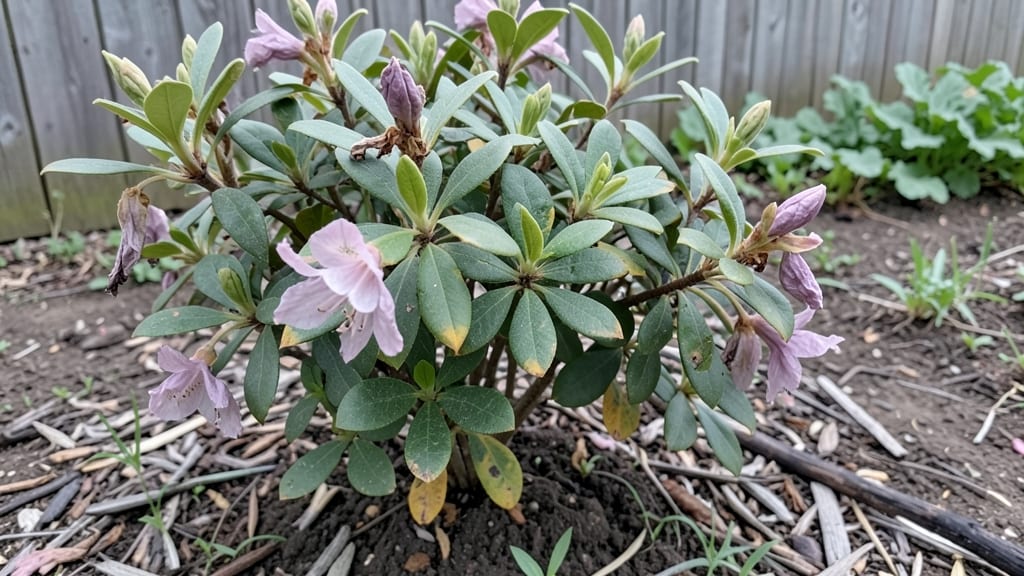
Azaleas after flowering need just the right touch to keep them thriving—and I’ve learned that timing is everything. ✨ After those vibrant blooms fade, the real work begins to shape next year’s display while keeping your plants healthy.
The key is pruning at the right moment, feeding them properly, and watching for pests that love stressed shrubs.
Most gardeners wait until late spring or early summer to prune, once the flowers have fully faded and new growth appears. Grab your shears and focus on shaping the plant while leaving next year’s flower buds intact—those little bumps on the stems are critical for future blooms.
A light feeding with acid-loving plant fertilizer after pruning gives them the boost they need for strong new growth.
You’ll notice a difference within weeks: fuller foliage, fewer leggy branches, and stronger stems ready to support next year’s flowers. The secret is consistency—prune the same time every year, fertilize twice (spring and fall), and keep an eye out for lace bugs or spider mites that love azaleas.
With this routine, your shrubs will reward you with even more spectacular blooms next season.
Works for both in-ground azaleas and container-grown varieties, though container plants may need extra water during dry spells. Here’s how to keep them looking their best all year long—no guesswork, just results.
📚 In This Guide
- What you need
- Instructions
- Tips and common mistakes
- Wrapping up and next steps
What you need
- ● Pruning shears: Bypass pruners (sharp, clean, and 5-inch to 7-inch blades for precision). Quantity: 1 pair.
- ○ Loppers: For thicker branches (½-inch to 1-inch diameter). Quantity: 1 pair (optional but helpful for mature azaleas).
- ● Garden gloves: Heavy-duty, cut-resistant (to protect hands from thorns and sap). Quantity: 1 pair.
- ● Disinfectant: 70% isopropyl alcohol or diluted bleach solution (1 part bleach to 9 parts water) (to sterilize tools and prevent disease).
- ● Trash bags: Heavy-duty, 13-gallon or larger (for pruned branches). Quantity: 2–3 bags.
- ○ Pruning sealant (optional): Wound dressing for large cuts (only needed for cuts wider than ½-inch).
- ○ Ladder (optional): Sturdy, 6–8-foot extension ladder (for tall azaleas).
- ● Timing: Prune right after flowering (late spring to early summer) but before new buds form.
- ● Weather check: Choose a dry, overcast day to avoid stressing the plant.
- ● Tool sharpening: Hone shears/loppers before starting for clean cuts.
- ● Safety gear: Sunglasses and long sleeves (to protect from sap and debris).
How to care for azaleas after their spring blooms
Here's the proven routine I use to keep my azaleas vibrant year after year.
🌿 Step 1: Remove Faded Flowers and Seed Pods
After your azaleas finish blooming, I grab my pruning shears and trim off any spent flowers and developing seed pods. These pods drain the plant's energy that could go toward foliage and next year's buds. I make clean cuts just above the first set of healthy leaves below the faded bloom.
Don't worry about being perfect here—focus on removing the obvious dead flowers. You'll notice new growth emerging from the sides of the plant as you work. This is your signal that the plant is redirecting energy toward new foliage rather than seed production.
Here's the thing—if you skip this step, your azalea will put all its energy into making seeds instead of building strong stems and leaves for next spring. I do this within 2-3 weeks after the last bloom fades to give the plant a fresh start.
✂️ Step 2: Prune for Shape and Airflow
Now's the time to shape your azalea. I look for branches that cross or rub against each other and make clean cuts to remove them. These crossing branches create wounds where diseases can enter. I also trim back any branches that grow too close to the center of the plant to improve airflow.
For azaleas that grow too wide, I thin out some of the oldest stems at the base. This encourages new growth from the center. You'll see where the plant naturally wants to grow by looking at the densest areas of foliage. I never remove more than 25% of the plant's total growth in one season—this keeps it healthy.
Use sharp pruning shears to make clean cuts at a 45-degree angle just above a leaf bud. Avoid leaving stubs, as they can rot and attract pests. If you're unsure which branches to cut, remember that azaleas bloom on old wood, so avoid cutting back more than one-third of any branch's length.
💧 Step 3: Feed and Water for Recovery
After pruning, I feed my azaleas with an acid-loving plant fertilizer (like one formulated for rhododendrons or azaleas). These plants thrive in slightly acidic soil, and a slow-release fertilizer gives them the nutrients they need to recover from pruning and prepare for next year's blooms.
Water deeply right after fertilizing to help the nutrients soak into the soil. Azaleas have shallow roots, so I water until the top 6 inches of soil feels moist. You'll know you've watered enough when water runs out of the drainage holes at the bottom of the pot or when the soil surface looks slightly damp but not soggy.
Here's the key: azaleas prefer consistently moist but never waterlogged soil. I check the soil every 2-3 days during dry spells and water again when the top inch feels dry to the touch. Mulching with 2-3 inches of organic mulch helps retain moisture and keeps roots cool.
☀️ Step 4: Monitor for Pests and Diseases
After the initial flush of new growth, I keep an eye out for common azalea pests like lace bugs, spider mites, or scale insects. These pests love the new tender growth that appears after pruning. I inspect the undersides of leaves and the stems for signs of webbing, tiny specks, or sticky residue—all signs of trouble.
If you spot any pests, I treat the plant with neem oil or an insecticidal soap. These are gentle enough for azaleas but effective against most soft-bodied pests. Spray the solution on a mildly overcast day to avoid burning the leaves in direct sunlight. Reapply every 5-7 days until the pests are gone.
Azaleas can also develop fungal issues if the air doesn't circulate well. That's why proper pruning for airflow is so important. If you notice dark spots on the leaves or powdery growth, remove the affected leaves and treat with a fungicide designed for ornamental plants. Prevention is easier than cure—so keep those leaves dry and the air moving!
Tips & tricks for perfect azalea post-bloom care
These simple but game-changing tricks will keep your azaleas thriving between seasons.
Timing Secret: The 2-3 week window after blooming is critical for Step 1. I've learned the hard way that waiting too long lets those seed pods steal energy from new growth. Watch for the last flowers to drop completely—this is your cue to act. If you're unsure when blooming ended, check for any remaining buds that haven't opened yet.
Pruning Precision: In Step 2, those 45-degree angles aren't just for looks—they help water run off the cuts, preventing rot. I also keep my pruning shears clean with rubbing alcohol between cuts to avoid spreading any potential diseases. Remember, azaleas bloom on old wood, so never cut back more than one-third of any branch's length. This preserves next year's flower buds.
Watering Wisdom: The 6-inch deep watering in Step 3 sounds simple, but here's the trick: use your finger to check soil moisture. If the top inch feels dry, it's time to water again. I've found that azaleas in pots dry out faster than in-ground plants, so I double-check their moisture every 2-3 days during dry spells. Mulching with 2-3 inches of organic material keeps roots consistently moist without waterlogging.
Pest Prevention: After pruning, I inspect the undersides of leaves weekly for early signs of pests. The 5-7 day reapplication schedule for neem oil is non-negotiable—pests build resistance if you skip treatments. I also avoid spraying in direct sunlight to prevent leaf burn, which makes plants more susceptible to fungal infections. A quick wipe-down with a damp cloth after spraying removes any residue that could clog leaf pores.
Pro Tips for Azaleas After Flowering
- These simple but game-changing tricks will keep your azaleas thriving between seasons.
- Timing Secret: The 2-3 week window after blooming is critical for Step 1.
- Pruning Precision: In Step 2, those 45-degree angles aren't just for looks—they help water run off the cuts, preventing rot.
Frequently asked questions
Got questions about caring for your azaleas after they’ve finished blooming? You’re not alone! Here are some of the most common queries—and their simple answers—to help you keep your plants thriving.
When is the best time to prune azaleas after they’ve stopped flowering?
Wait until after your azaleas finish blooming—typically in late spring or early summer (May to June in most regions). Pruning too early can remove next year’s flower buds! Focus on shaping the plant and removing dead or weak growth. Pro tip: If you’re unsure when buds are forming, skip pruning until fall—just avoid heavy cuts then.
Can I fertilize azaleas right after pruning?
Yes, but wait a few weeks! Pruning can stress the plant, so let it recover first. Once new growth appears, use an acid-loving plant fertilizer (like one with iron or aluminum sulfate) in early summer. Avoid heavy nitrogen—it encourages leaves over flowers! Bonus: Mulch with pine bark to keep soil acidic naturally.
What if my azaleas don’t bloom next year after pruning?
Don’t panic! Over-pruning or cutting into old wood can delay blooms. Check for these fixes:
Pruned too late? Next year, prune only after blooming (never in fall/winter).
Too much sun? Azaleas prefer partial shade—move pots or trim nearby trees.
Root-bound? Repot if roots circle the pot; fresh soil = more blooms!
Give it a year—healthy growth leads to bigger blooms!Should I prune azaleas in fall or winter?
Nope! Fall/winter pruning risks exposing buds to frost or encouraging weak new growth. If you must trim, only remove dead branches in late winter (before buds swell). For heavy shaping, wait until late spring after flowering. Exception: In warm climates, you might prune lightly in early spring—but avoid cold snaps!
Are there alternatives to pruning if I’m not confident?
Try these low-stress methods:
- Shear gently with sharp shears to shape (avoid harsh cuts).
- Thin out crowded branches to improve airflow.
- Use a “haircut” technique: Trim 1/3 of the top for bushier growth.
- Skip pruning! Some azaleas (like Encore® series) bloom on new wood—just fertilize and mulch.
Wrapping up and next steps
Caring for your azaleas after flowering is all about balance and timing—pruning, feeding, and protecting them sets the stage for next year’s stunning blooms! 🌸 With the right techniques, you’ll nurture healthier plants and enjoy even more vibrant displays in seasons to come. Now’s your chance to roll up those sleeves and give your azaleas the TLC they deserve!
Ready to take action? Start by scheduling a quick pruning session in the next few weeks, then monitor your plants closely. Before you know it, your azalea shrubs will be thriving—and you’ll be the proud gardener behind their beauty!