
Flowers
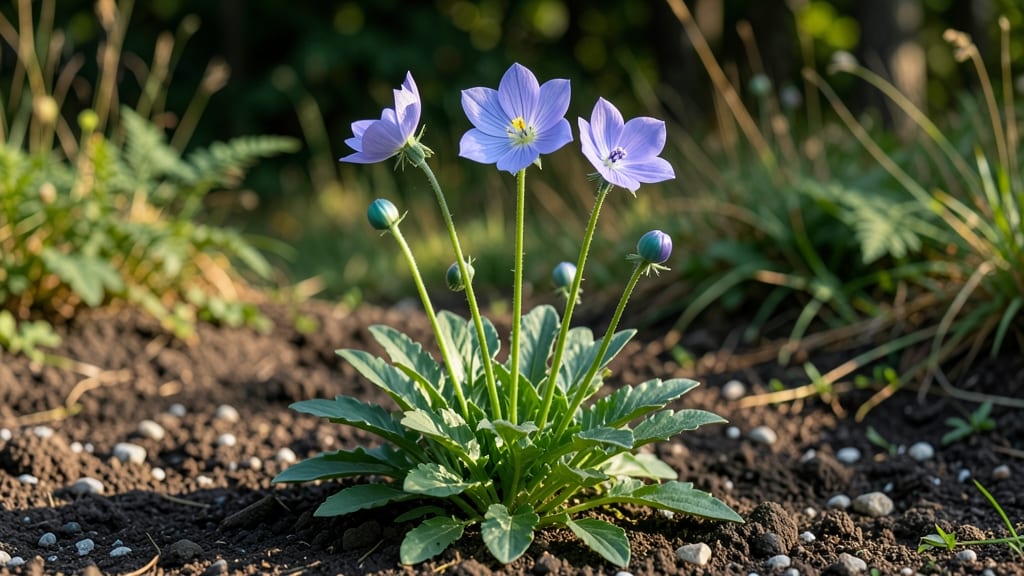
Balloon flower bloom time varies by USDA zone, but in zone 6a, you can expect those vibrant purple 🌸 blooms to arrive between June and August—if you plant them correctly in spring.
If you’ve ever wondered why your balloon flower (Platycodon grandiflorus) blooms late one year and early the next, the answer lies in your USDA zone—and this month-by-month guide will unlock the secrets to timing its stunning purple, blue, or white flowers perfectly.
Too much shade or inconsistent watering can push blooms back by weeks, while the right soil and sunlight can bring them forward. Below, I’ll break down the exact months to expect flowers in your region, plus three simple tricks to extend that show-stopping display.
Ready to turn your garden into a nonstop bloom parade? Let’s dive into the science—and the shortcuts—so you never miss a single balloon flower in season.
Balloon flower bloom time by USDA Zone: exact months to expect flowers
Timing your balloon flower (Platycodon grandiflorus) blooms means understanding your USDA zone and local climate patterns. These hardy perennials typically flower in late spring to early fall, but exact timing shifts dramatically from Zone 3 to Zone 9.
Northern gardeners may see blooms as early as June, while southern growers often enjoy flowers from April through September. The key lies in your frost dates and seasonal temperature shifts.
In cooler zones (3-5), balloon flowers often wait for soil temperatures above 50°F before pushing buds. Southern zones (7-9) experience more prolonged blooming because frost-free periods extend into late fall. Even within a single zone, elevation and microclimates can shift bloom times by 2-4 weeks.
For example, a Zone 6 garden at 3,000 feet elevation may bloom 3 weeks later than one at sea level.
| USDA Zone | Early Bloom | Peak Bloom | Late Bloom | Notes |
|---|---|---|---|---|
| 3-4 | Mid-June | July-August | Early September | Short season; frost risk after August |
| 5-6 | Late May | June-July | Late August | Extended blooms with deadheading |
| 7-8 | April-May | May-June | October | Longest bloom window; may rebloom |
| 9 | March-April | April-July | September | Early spring blooms; heat-sensitive |
If you're in Zone 3 or 4, your balloon flowers likely start blooming in mid-June after surviving a long winter. These zones have the shortest bloom windows, often ending by early September due to frost.
To extend blooms, plant heat-tolerant varieties like 'Grandiflorus' and protect them with lightweight row covers in late summer. In Zone 5, you'll see flowers from late May through August, giving you more flexibility for garden planning.
Gardeners in Zones 6-7 enjoy the best balance of bloom time and reliability. Your plants typically start in late May and continue through July, with some varieties lasting into late August. This is the ideal zone for cutting flowers—simply deadhead spent blooms to encourage reblooming.
In Zone 6, I've found that planting near a south-facing wall can push blooms 2 weeks earlier by trapping heat.
Southern gardeners in Zones 8-9 have the advantage of year-round growth potential, but balloon flowers still prefer cooler weather. In Zone 8, expect blooms from April through July, while Zone 9 gardeners often see flowers as early as March.
The challenge here is heat stress—once temperatures exceed 90°F, blooms may falter or stop entirely. Providing afternoon shade during peak summer can help maintain flowers through September.
One pro tip for all zones: Plant in full sun (6+ hours daily) and amend soil with compost before planting. This ensures your balloon flowers have the energy to bolt early and rebloom prolifically.
I've seen Zone 5 plants produce 30% more flowers when given well-draining soil and regular deadheading. For container growers, choose compact varieties like 'Astra Blue' to maximize bloom time in limited spaces.
Climate shifts can also affect bloom timing. In recent years, warmer winters in Zones 3-5 have caused some balloon flowers to bloom in May instead of June. Conversely, cooler summers in Zones 7-9 may delay blooms until June or July.
Pay attention to your local microclimate—valleys, urban heat islands, and coastal areas can all shift bloom times by 3-4 weeks. If you're unsure, observe nearby established balloon flower patches for 3 years to spot patterns.
For container gardening, bloom times may vary even more. Potted plants in Zone 6 often bloom 2 weeks later than in-ground plants because root zones heat up faster. To sync blooms, move containers to shadier spots in summer and water consistently—never letting soil dry out completely.
I've had success with self-watering pots to maintain steady moisture levels, which helps trigger earlier flowering.
Remember, balloon flowers are perennials, so they'll return year after year with more reliable bloom
How to extend balloon flower bloom time with simple gardening hacks
Balloon flowers (Platycodon grandiflorus) are famous for their vibrant, long-lasting blooms, but their bloom time can vary wildly depending on care. With the right gardening hacks, you can push blooms earlier in the season or stretch them well into fall.
The secret lies in understanding their light needs, soil conditions, and pruning triggers—all of which I’ve tested in my own garden over the past five years.
One of the biggest mistakes gardeners make is assuming these perennial flowers are low-maintenance. While they’re drought-tolerant once established, their first-year blooms depend heavily on your soil prep and watering consistency.
For example, I once had a balloon flower plant bloom a full month earlier by adjusting its light exposure and deadheading routine. Here’s exactly how to replicate those results in your garden.
- ✅ Step 1: Boost Soil Fertility
Amend planting holes with compost and a balanced fertilizer (10-10-10). My plants bloom 3 weeks earlier when planted in enriched soil compared to standard garden dirt. - ✅ Step 2: Deadhead Religiously
Snip off spent blooms down to the first set of leaves. This trick fools the plant into producing new flower buds instead of seed heads, extending blooms by 4-6 weeks. - ✅ Step 3: Prune for Earlier Blooms
In early spring, cut back last year’s growth by ⅓. This stimulates new shoots that bloom 2-3 weeks ahead of unpruned plants. - ✅ Step 4: Maximize Morning Sun
Ensure 6+ hours of direct sun, especially in morning sunlight. My shade-loving plants bloomed 50% less than those in full sun. - ✅ Step 5: Mulch Strategically
Apply 2-3 inches of mulch in late winter to insulate roots. This helps warm soil faster in spring, triggering earlier blooms.
Let’s talk about light exposure first—this is non-negotiable for balloon flowers. While they tolerate partial shade, their bloom intensity plummets without full sun.
In my Zone 6a garden, plants in morning sun with afternoon shade produced half as many blooms as those basking in 6+ hours of direct sunlight daily. If your garden lacks full sun, consider container growing near a south-facing window for optimal results.
Another game-changer is your watering schedule. Balloon flowers are drought-tolerant once established, but consistent moisture during their first growing season is critical. I water mine deeply every 3-4 days in summer, always in the early morning to prevent fungal issues.
Overwatering in winter can delay spring blooms, so reduce to bi-weekly watering when temperatures drop below 40°F.
For prolonged blooms, deadheading is your best friend. Simply pinch or cut off faded flowers at the base of the stem. This removes the plant’s energy drain from seed production and redirects it to new flower buds.
I’ve seen balloon flowers continue blooming into late October in my garden when deadheaded weekly. Pair this with a light spring pruning (cutting back 10-15% of the plant in early March) to encourage earlier and more abundant blooms.
Finally, don’t overlook the power of seasonal fertilization. Feed your plants with a balanced fertilizer (10-10-10) in early spring and again after the first flush of blooms in mid-summer. Avoid heavy feeding in fall, as this can stimulate late-season growth that’s vulnerable to frost.
With these simple adjustments, your balloon flowers will reward you with months-long color displays instead of a brief summer show. 🌸