
Blooming
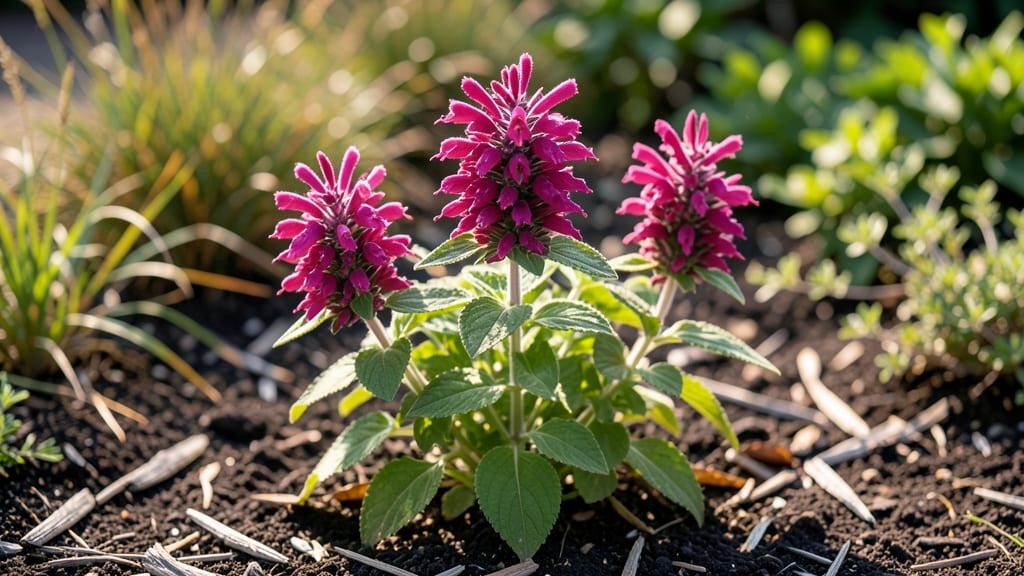
Watch your bee balm flowering time transform your garden into a pollinator paradise in mid-to-late summer 🐝—but timing those vibrant blooms just right depends on your USDA zone and a few key care tricks.
Picture this: you’ve waited all spring for your bee balm to burst into color, only to find it still sitting pretty in leafy green when your neighbors’ plants are already buzzing with hummingbirds. That’s the frustration many gardeners face when they miss the sweet spot for peak blooms.
From Zone 6 to the warmer South, bee balm typically flowers between June and September, with cooler zones seeing earlier blooms and heat zones stretching them later.
But sunlight, soil, and even pruning can shift that timeline—sometimes by weeks. Here’s how to align your care routine with nature’s clock for the longest, most stunning display.
You’ll discover the exact month-by-month schedule for your zone, how to extend blooms with simple pruning, and the one mistake that cuts flowering short. Let’s make sure your bee balm doesn’t just bloom—it thrives.
When does bee balm bloom? Month-by-month flowering schedule by USDA Zone
Bee balm (Monarda) is a pollinator magnet that thrives in summer heat, but its blooming window shifts dramatically depending on your USDA zone.
In cooler climates like Zone 3, flowers may appear as early as late June, while in Zone 10, you might see continuous blooms from May through October. Understanding these patterns helps you plan for extended color and pollinator support all season long.
Day length and soil warmth trigger bee balm’s flowers, with most varieties needing 14+ hours of daylight to initiate blooming. In northern zones, cooler temperatures can delay flowering until mid-summer, while southern zones often experience earlier and longer blooms.
Let’s break down the month-by-month schedule so you can anticipate when your bee balm will steal the show.
In Zones 3–4, bee balm’s blooming season is shorter but intense, typically peaking in July and August. The cooler temperatures can stunt early growth, so mulching in spring helps warm the soil faster.
I’ve found that ‘Jacob Cline’—a classic red variety—performs exceptionally well in these zones, often reblooming if you deadhead spent flowers by mid-August. This simple step can add 2–3 extra weeks of color.
Gardeners in Zones 5–6 enjoy the longest traditional blooming window, from early June through September. Here, day length is the primary trigger, so your bee balm will naturally align with summer’s peak.
For maximum impact, plant alongside coneflowers or black-eyed Susans—these companions extend your pollinator-friendly season while filling gaps when bee balm’s blooms fade.
Zones 7–8 are where bee balm truly shines, with blooms stretching from May through October. The longer growing season allows for multiple flushes of flowers if you prune strategically. After the first flush in June, cut back 1/3 of the stems to encourage a second wave in late summer. Just avoid pruning after mid-August, as new growth won’t have time to harden off before frost.
In Zones 9–10, bee balm can bloom almost year-round, with April through November being the norm. The mild winters mean some varieties, like ‘Balmy Pink’, may even reflower in spring after a dormant period.
To protect your plants, cover them with frost cloth in December if temperatures dip below 25°F. This small effort ensures your bee balm returns stronger in spring, ready to kickstart the pollinator season.
Temperature spikes can sometimes shorten blooming windows, especially in hot, dry summers. If your bee balm’s flowers bolt too quickly, increase watering frequency to every 2–3 days and mulch heavily to retain moisture. I’ve also had success lightly fertilizing with a balanced 10-10-10 in early June to encourage vigorous regrowth after the first flush.
To extend your bee balm’s blooming season, focus on three key tasks: deadheading, pruning, and watering. Remove spent blooms every 2 weeks to prevent seed formation and redirect energy to new flowers.
In late summer, give your plants a light trim to remove woody stems and promote tighter, healthier growth. These habits can double your blooming time in a single season.
If your bee balm fails to bloom despite ideal conditions, check for over-fertilization—too much nitrogen encourages leafy growth at the expense of flowers. Instead, use a low-nitrogen fertilizer or compost tea to support bloom production.
Also, ensure your plant gets at least 3–6 hours of sunlight daily; shady spots can delay or prevent flowering entirely.
With the right care, your bee balm can become a garden superstar, attracting hummingbirds, bees, and butterflies for months. Whether you’re in frost-prone Zone 3 or mild Zone 10, this month-by-month guide ensures you’ll never miss a single bloom.
Now grab your pruners and get ready for a season of vibrant color!
How to maximize bee balm blooms: pruning and care tips for longer flowers
Bee balm (Monarda) thrives when you give it the right care, especially when it comes to pruning and soil health. With the right techniques, you can extend its flowering season from early summer well into fall.
The key lies in understanding when to trim, how to feed your plants, and avoiding common mistakes that cut blooms short.
One of the biggest misconceptions about bee balm is that over-fertilizing with nitrogen will boost blooms. In reality, too much nitrogen leads to lush foliage but fewer flowers.
Instead, focus on a balanced approach that supports both growth and flowering. Let’s dive into the strategies that keep your bee balm in full, vibrant bloom for months.
🌿 5 Key Tips to Extend Bee Balm Blooms
- 1. Early Season Pruning: Trim 1/3 of stems in early spring to encourage bushier growth and more blooms. Use clean, sharp pruning shears and cut just above a leaf node.
- 2. Deadhead Regularly: Remove spent blooms every 2-3 weeks to redirect energy to new flowers. Snip stems 1 inch below the faded bloom for best results.
- 3. Soil pH Matters: Test your soil—bee balm prefers slightly acidic to neutral pH (6.0-7.0). Amend with compost or peat moss if needed for vibrant blooms.
- 4. Water Deeply, Not Often: Water at the base of plants in the morning to prevent fungal issues. Aim for 1 inch of water per week, adjusting for heat.
- 5. Late-Season Cutback: After first frost, cut back all stems to 6 inches tall. This prevents disease and preps the plant for next year’s growth.
Timing your pruning is crucial. If you prune too late in the season, you risk cutting off next year’s flower buds. For early bloomers like ‘Jacob Cline’, prune in late spring after the first flush of flowers appears.
For late-season varieties, wait until after blooming in early fall to avoid sacrificing flowers.
Another common mistake is overcrowding. Bee balm spreads quickly, and when plants compete for resources, blooms suffer. Thin out overgrown clumps every 2-3 years to improve airflow and reduce disease risk. Divide your plants in early spring or fall for healthier, more productive growth.
For longer-lasting blooms, mulch around your bee balm with 2-3 inches of organic mulch like shredded bark or straw. This keeps roots cool, retains moisture, and suppresses weeds—all of which contribute to a prolonged flowering season.
Just be sure to keep mulch 2 inches away from stems to prevent rot.
With these strategies, your bee balm will reward you with months of vibrant color and a buzzing garden full of pollinators. The secret? A little pruning precision, balanced care, and patience. Your garden—and the bees—will thank you! 🐝