
Blooming
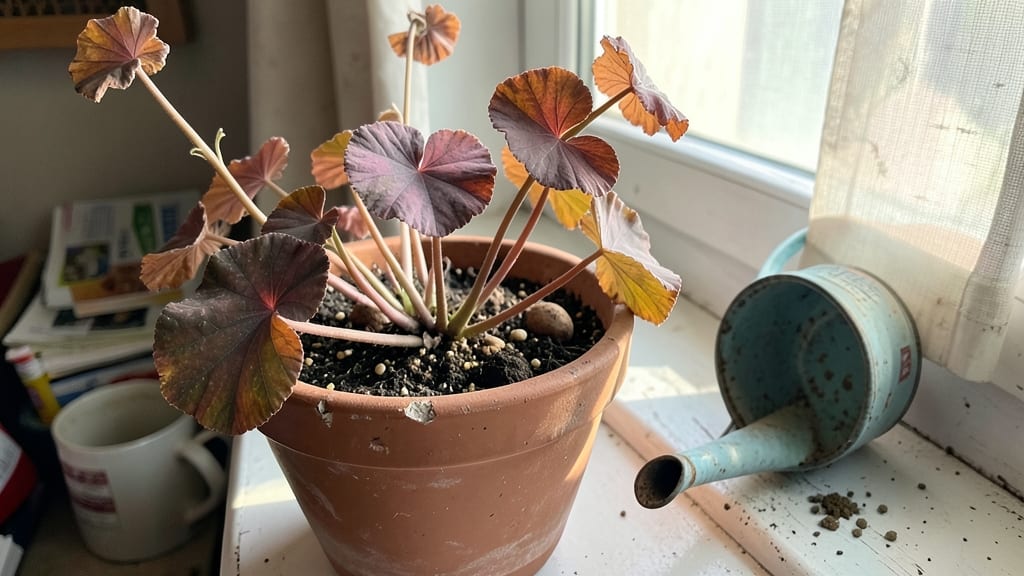
Your begonias stopped flowering because they’re either lazy or just need a little nudge—usually more light or a strategic haircut. 🌿 I’ve nursed back dozens of leggy, bloomless begonias by tweaking just two things: light exposure and pruning technique. The fix isn’t complicated, but the details matter.
Most begonia varieties crave bright, indirect light—think east-facing windows or a few feet from a south window. If yours are stretching toward the light with sparse leaves, they’re begging for more.
Pair that with pruning spent blooms and leggy stems, and you’ll trigger fresh growth in weeks. The key is cutting above a leaf node, not at the base.
Within 2-3 weeks, you’ll see new buds forming where you pruned, and the plant will start investing energy in flowers instead of just leaves. Add a balanced fertilizer (half-strength) every 4-6 weeks, and your begonias will reward you with nonstop blooms from spring to frost.
Here’s exactly how to diagnose and fix it.
Works for wax, rex, and tuberous begonias alike—just adjust light needs based on your variety. Let’s get those flowers back in business!
Root Causes Of Lost Begonia Blooms
When your Begonia stops producing its vibrant flowers, it’s usually a cry for help from the plant itself. Understanding the why behind this shift is the first step to restoring its blooming glory.
Below, we break down the most common reasons—backed by science—and how they disrupt your begonia’s natural flowering cycle.
🌡️ Insufficient light triggers dormancy
Begonias are light-dependent plants, and their flowering mechanisms are directly tied to photoperiod (daylight exposure). Most flowering begonias need bright, indirect light for 6–8 hours daily to trigger blooming hormones like florigen. When light levels drop—whether due to:
- Low natural light: Placing them in deep shade or behind sheer curtains reduces photosynthesis, causing the plant to conserve energy by halting flower production.
- Seasonal changes: Shorter winter days (below 12 hours of light) can signal the plant to enter a resting phase, pausing blooms until conditions improve.
- Artificial light mismatches: Grow lights with low red-blue spectrums (critical for flowering) won’t stimulate blooms effectively.
Science note: Begonias rely on phytochrome pigments to detect light. In darkness or weak light, these pigments shift, suppressing anthocyanin (flower pigment) production.
💧 Overwatering or poor drainage stresses roots
Waterlogged soil or soggy roots send a distress signal to your begonia, redirecting its energy toward survival—not blooming. Here’s how it happens:
- Root asphyxiation: Excess moisture cuts off oxygen, leading to anaerobic conditions in the soil. Roots can’t absorb nutrients, and the plant prioritizes root recovery over flowers.
- Fungal/bacterial infections: Waterlogged soil breeds pathogens like Pythium, which attack roots, further weakening the plant’s ability to produce blooms.
- Nutrient lockout: Overwatering leaches essential nutrients (like phosphorus and potassium) critical for flower development.
Key stat: Begonias thrive in soil that drains within 24–48 hours. If yours stays damp for days, it’s a red flag.
🍽️ Nutrient imbalances starve flower buds
Flowering is energy-intensive, and your begonia needs the right nutrients to fuel it. Common deficiencies include:
| Nutrient | Role in Blooming | Deficiency Signs |
|---|---|---|
| Phosphorus (P) | Boosts flower initiation and root growth | Stunted growth, dark green leaves, no new buds |
| Potassium (K) | Regulates enzyme activity for bud formation | Yellowing leaf edges, weak stems, dropping buds |
| Magnesium (Mg) | Supports chlorophyll and energy transfer | Yellow patches between leaf veins, slow bud development |
Pro tip: Use a balanced 10-10-10 or 20-20-20 fertilizer during the growing season (spring–fall), but reduce nitrogen—too much promotes leaves over flowers.
❄️ Temperature & humidity shocks halt blooms
Begonias are tropical plants with a narrow comfort zone. Extreme temps or humidity swings disrupt their metabolic processes:
- Cold drafts (<50°F/10°C): Slows cellular respiration, preventing the production of auxins (hormones that regulate flowering).
- Heat stress (>85°F/30°C): Causes protein denaturation in flower buds, leading to wilting or abortion.
- Low humidity (<40%): Dries out buds and leaves, triggering abscission (premature bud drop).
- Sudden changes: Moving plants between hot/cold areas or dry/wet spots confuses their hormonal balance.
Ideal range: Keep temps between 65–75°F (18–24°C) and humidity at 50–70% for consistent blooming.
🌱 Overcrowded roots or old age limits energy
Even healthy begonias will stop flowering if they’re resource-depleted. Two common culprits:
- Root-bound pots: When roots circle the pot or escape drainage holes, they compete for nutrients, leaving none for flowers. Stress hormones like ethylene can also accumulate, suppressing blooms.
- Mature plants: After 2–3 years, begonias may reallocate energy to leaf and stem growth, reducing flower production. This is natural but can be delayed with rejuvenation techniques.
Solution: Repot every 12–18 months in fresh, well-draining soil to refresh root activity.
How to solve it
If your begonia has traded vibrant blooms for lush green leaves, don’t panic—there’s hope! 🌸 The key is identifying the root cause (which we covered earlier) and applying the right fixes.
Below, we’ve mapped out actionable solutions tailored to each common trigger, plus prevention tips to keep your plant flowering like a pro. Let’s get those buds popping again!
###
🌞 Too Little Light → Boost Brightness
Begonias crave indirect sunlight—think morning sun or filtered light near a window. If your plant is stretching toward the light (a sign of etiolation), it’s time to adjust.
- 🔥 Move it closer to a bright, east- or north-facing window. South-facing windows work too, but use a sheer curtain to diffuse harsh rays.
- 🍳 Try a grow light if natural light is lacking. A full-spectrum LED (12–14 hours/day) mimics sunlight perfectly. Place it 6–12 inches above the plant.
- 🌡️ Rotate the pot weekly so all sides get even light exposure. This prevents lopsided growth and encourages balanced blooming.
💡 Prevention tip: Avoid deep shade (like bathroom corners) or direct midday sun (which burns leaves). A rotate-and-observe approach keeps your begonia thriving.
###
🌱 Overcrowded Roots → Refresh the Pot
Root-bound begonias divert energy to growth instead of flowers. If you’ve noticed roots circling the pot’s edge or poking out of drainage holes, it’s time to upgrade its home.
- 👨🍳 Repot in spring using a container just 1–2 inches larger than the current one. Begonias prefer snug spaces!
- ✂️ Trim tangled roots gently with sterilized scissors, then replant in fresh, well-draining begonia mix (equal parts peat, perlite, and compost).
- 🌱 Fertilize lightly after repotting with a balanced liquid fertilizer (10-10-10) diluted to half strength. Too much can shock the plant.
💡 Prevention tip: Repot every 12–18 months or when roots fill 70% of the pot. Use terracotta pots—they wick away excess moisture and reduce root stress.
###
💧 Overwatering or Poor Drainage → Balance the Moisture
Soggy soil suffocates roots and starves flowers of nutrients. If your begonia’s leaves are yellowing or wilting despite wet soil, drainage is the issue.
- 🔪 Check the soil: Stick your finger 1–2 inches deep. If it’s damp, wait. Water only when the top inch feels dry.
- 🏺 Upgrade the pot: Switch to a container with drainage holes (or drill them yourself). Add a layer of gravel or perlite at the bottom to improve airflow.
- 🥘 Water wisely: Soak the soil thoroughly, then let excess drain completely. Empty the saucer after 10 minutes to prevent root rot.
💡 Prevention tip: Group begonias with like-minded thirsty plants (like ferns) in a humidity tray with pebbles and water. This mimics their tropical habitat without overwatering.
###
❄️ Temperature or Humidity Shifts → Create Ideal Conditions
Begonias thrive in consistent warmth (65–78°F) and humidity (50%+). Drafts, AC vents, or dry air can shock them into dropping buds.
- 🌡️ Keep it cozy: Move the plant away from doors, windows, or vents. Avoid placing it near heating/cooling sources.
- 💦 Boost humidity with a pebble tray (fill a tray with water and stones, then set the pot on top) or a humidifier nearby.
- 🌿 Mist lightly in the morning (avoid evenings to prevent fungal issues). Group plants together to raise ambient humidity.
💡 Prevention tip: In winter, place a humidifier near your begonias or use a terrarium for high-humidity lovers like Rex or Wax begonias.
###
🍽️ Nutrient Imbalance → Feed the Right Way
Too much nitrogen = lush leaves, zero flowers. Too little of anything = weak blooms. Begonias need a balanced diet with a phosphorus boost for flowers.
- 📊 Switch fertilizers: Use a bloom-boosting formula (like 5-10-5 or 7-9-5) every 4–6 weeks during spring/summer. Dilute to half strength to avoid burning roots.
- 🥗 Skip winter feeding: Begonias rest in cooler months. Resume fertilizing in early spring as new growth appears.
- 🍎 Add organic treats: Mix in compost tea or crushed eggshells (for calcium) to improve soil health naturally.
💡 Prevention tip: Flush the soil every 3 months with water to wash out salt buildup from fertilizers. This keeps roots happy and blooms plentiful!
###
✂️ No Pruning or Deadheading → Encourage New Growth
Pruning isn’t just about looks—it triggers more flowers! Cutting back spent blooms and leggy stems redirects energy to fresh buds.
- 🔪 Deadhead regularly: Snip off faded flowers with clean scissors just above a leaf node. This prevents seed production and encourages new blooms.
- 🌿 Trim leggy stems: If a stem is bare or floppy, cut it back to a healthy leaf or bud. This prompts bushier growth.
- 🌱 Propagate cuttings: Place trimmings in water or moist perlite to root. You’ll have free baby begonias and more blooms!
💡 Prevention tip: Prune in the morning when the plant is hydrated. Avoid heavy pruning in winter—save it for spring when growth resumes.
With these fixes, your begonia should start showing off its A-game in 4–6 weeks. Track what works by keeping a simple journal (e.g., “Moved to east window → 3 new buds in 2 weeks!”). Happy blooming!
Frequently asked questions
Why do begonias stop flowering suddenly?
Begonias often pause blooming due to environmental stress like insufficient bright, indirect light or drastic changes in temperature. When they don’t get enough light (less than 6 hours daily), they conserve energy by halting flower production. Similarly, cold drafts (50°F/10°C) or dry air (below 40% humidity) can confuse their natural growth cycle, triggering dormancy.
How can I tell if my begonia needs more light?
Check for leggy stems stretching toward windows or yellowing leaves—both are clear signs of light deficiency. If your begonia’s leaves are pale and spaced far apart, it’s definitely craving more brightness. Try moving it to an east-facing window or supplement with a full-spectrum LED grow light for 12–14 hours daily.
Is overwatering really the culprit if my begonia isn’t blooming?
Overwatering suffocates roots by cutting off oxygen, forcing the plant to prioritize survival over flowers. Test the soil—if it stays damp after 24–48 hours, you’re likely overdoing it. Switch to terracotta pots with drainage holes and water only when the top inch of soil feels dry.
When should I fertilize begonias to encourage blooming?
Start fertilizing in early spring with a balanced 10-10-10 fertilizer, diluted to half-strength, and repeat every 4–6 weeks until fall. Skip fertilizing in winter—begonias rest then! For blooms, swap to a phosphorus-rich formula (like 5-10-5) during peak growing season.
Can pruning really bring back flowers?
Yes! Pruning spent blooms and leggy stems redirects the plant’s energy to new growth. Cut just above a leaf node with clean scissors to encourage bushier stems and fresh buds. Focus on spring pruning—avoid heavy cuts in winter when the plant is dormant.