
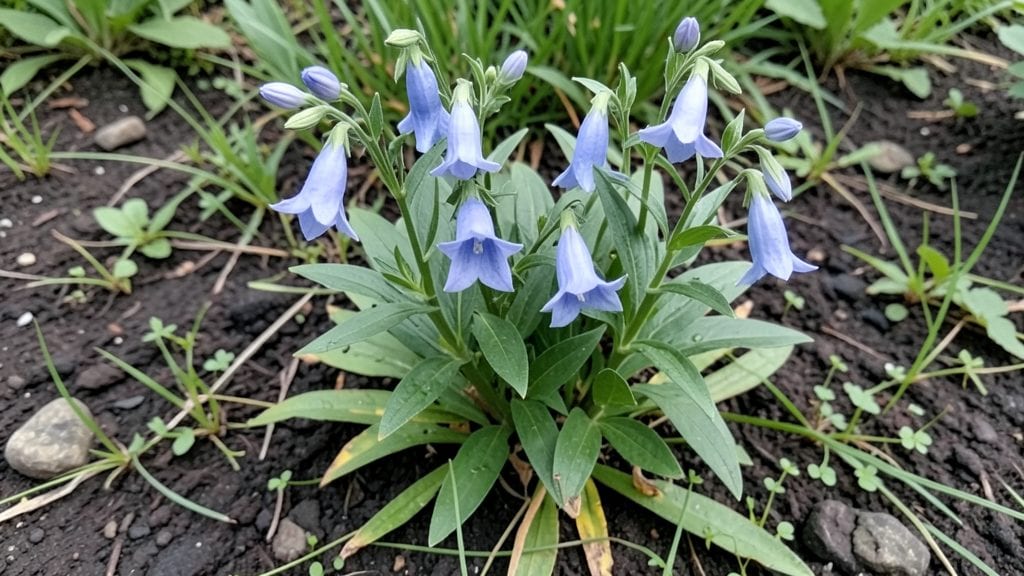
Bell-Shaped Flowers: 10 Stunning Varieties for Year-Round Beauty

Flowers

Bell-Shaped Flowers: 10 Stunning Varieties for Year-Round Beauty

Growing bell-shaped flowers 🌸 is like adding nature’s own chandeliers to your garden—each petal-curved bloom brings drama and texture that flat petals can’t match.

Picture this: a cottage garden alive with foxgloves towering over lavender, or delicate fritillaries nodding in a woodland border. These flowers aren’t just pretty—they’re tough, too, thriving in USDA Zone 6a and beyond with minimal fuss.

Whether you’re a beginner or a seasoned gardener, bell-shaped flowers deliver year-round interest: lush spring foliage, summer blooms that attract hummingbirds, and even winter structure when dried. The best part? They fit every style, from wild meadows to sleek modern beds.

In this guide, I’ll walk you through 10 standout varieties, their care secrets, and how to pair them for maximum impact—no green thumb required.

10 Best bell-shaped flowers for every season and garden style

Bell-shaped flowers bring a whimsical charm and elegant structure to gardens, perfect for adding vertical interest and texture. Whether you love romantic cottage gardens or modern minimalist designs, these varieties thrive in diverse climates and bloom times.

I’ve curated my top 10 favorites—each offering unique colors, heights, and seasonal appeal—to inspire your next planting project.

From tall spires like foxgloves to delicate clusters of fritillaries, these bell-shaped blooms attract pollinators while complementing any garden aesthetic. Below, I’ve organized them by seasonal bloom and design compatibility, along with hardiness zones and care essentials to simplify your selection process.

📌 Pro Tip: Most bell-shaped flowers prefer well-draining soil and partial shade to full sun, but always check individual needs. Deadheading spent blooms encourages more flowers, while mulching protects roots in winter.

Flower Variety Seasonal Bloom Color Palette Garden Style Hardiness Zones Sunlight Needs
Foxglove (Digitalis) Late spring–summer Pinks, purples, whites, yellows Cottage, woodland 3–9 Partial shade to full sun
Fritillary (Fritillaria) Early spring Checkered reds, purples, whites Woodland, wildflower 4–8 Full sun to partial shade
Honeysuckle (Lonicera) Summer–fall Yellows, oranges, reds Modern, cottage, trellis 3–9 Full sun to partial shade
Bellflower (Campanula) Summer–early fall Blues, purples, whites Rock gardens, borders 3–9 Full sun to partial shade
Lily-of-the-Valley (Convallaria) Spring White, pale pink Shady borders, woodland 3–8 Partial to full shade
Columbine (Aquilegia) Spring–summer Pinks, purples, yellows, reds Wildflower, cottage 3–9 Partial shade to full sun
Clematis (Clematis) Summer–fall

How to grow and care for bell-shaped flowers: pro tips

Bell-shaped flowers like foxgloves and campanulas bring vertical drama to gardens, but their delicate stems and unique growth habits require special attention. These plants thrive when you mimic their natural moist, well-draining environments while avoiding common pitfalls like overwatering or poor air circulation.

Whether you're growing them in partial shade or full sun, understanding their specific needs will ensure lush blooms from spring through fall.

Start by selecting the right soil mix—most bell-shaped flowers prefer slightly acidic to neutral soil (pH 6.0-7.0) enriched with organic compost. Amend heavy clay soils with perlite or sand to improve drainage, as soggy roots lead to root rot and stunted growth.

For container gardening, use a lightweight potting mix with added vermiculite to retain moisture without suffocating roots.

⚠️ Avoid These Deadly Mistakes with Bell-Shaped Flowers

Overwatering is the #1 killer of foxgloves and campanulas. Their delicate stems can't handle soggy soil, leading to fungal diseases like powdery mildew. Always check soil moisture by sticking your finger 1 inch deep—water only if it feels dry. Morning watering prevents evening dampness that invites pests.

Ignoring deadheading reduces blooms. Remove spent flowers by pinching them off at the base to encourage new growth. For tall varieties like foxgloves, support stems with stakes or pebbles to prevent snapping in wind or rain.

Most bell-shaped flowers adore morning sunlight but appreciate afternoon shade in hot climates. Place them where they receive 4-6 hours of direct sun, especially if growing dwarf varieties like Campanula portenschlagiana.

In USDA zones 3-8, these plants often self-seed, so deadhead regularly to control spread or collect seeds for next year's garden.

Pests like aphids and slugs love feasting on tender bell-shaped blooms. Combat aphids with a soapy water spray (1 tsp mild soap per quart of water) applied in early morning.

For slugs, create copper barriers around containers or use organic diatomaceous earth. Always inspect undersides of leaves where pests hide—early detection prevents infestations.

Prune bell-shaped flowers after flowering to maintain shape and encourage next year's blooms. Cut back dead or damaged stems to 1/3 their height, but avoid heavy pruning in late summer, which may delay fall blooms.

For perennial varieties, apply a 2-inch layer of mulch in late fall to protect roots from freezing temperatures.

With the right care routine, bell-shaped flowers reward gardeners with months of vibrant color. Try pairing foxgloves with lavender for a cottage-garden charm or campanulas with salvias for a pollinator-friendly border. Experiment with heights and colors to create a vertical garden that draws the eye upward.

★★★★★4.6(7 reviews)
Categories Flowers