
Planting
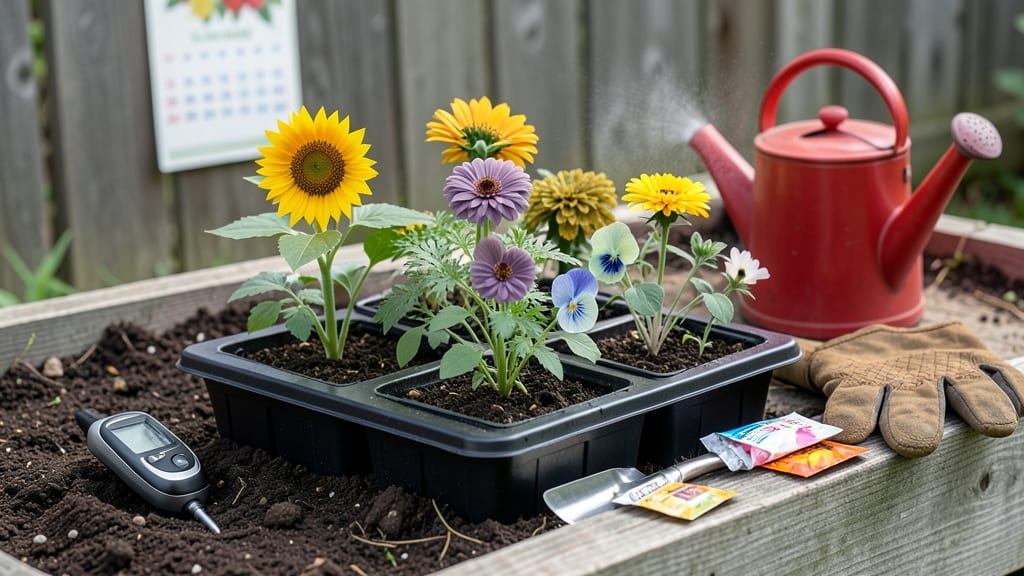
Planting flower seeds at the right time ensures vibrant blooms all season—whether you're in USDA Zone 6a or beyond.
Timing your flower seed planting can mean the difference between a vibrant, blooming garden and a season of disappointment—here’s how to get it right for your climate zone.
Spring planting after the last frost (around April 15 in Zone 6a) is ideal for most annuals, but perennials often thrive when sown in early fall. Missing these windows can leave you with weak seedlings or no blooms at all.
Below, I break down the exact months for your zone, how to adjust for early or late blooms, and the three biggest mistakes gardeners make when planting flower seeds.
USDA Zone planting calendar: exact months to plant flower seeds by region
Getting your flower seeds in the ground at the right time ensures strong germination and vibrant blooms. The USDA Plant Hardiness Zone system helps determine your ideal planting window, but frost dates and soil temperatures are equally critical.
Whether you're growing annuals, perennials, or bulbs, timing varies dramatically by region—here's how to nail it.
Most gardeners focus on spring planting, but fall planting can also work for cool-season flowers. For example, USDA Zones 3-5 often plant in late April to early June, while Zones 8-10 may start as early as February.
Always check your last frost date and adjust by 2-4 weeks for slower-growing varieties like delphiniums or foxgloves.
Here’s a quick reference for cool-season flowers (like pansies and snapdragons) vs. warm-season flowers (like marigolds and zinnias). Cool-season seeds thrive when soil temps are 45-65°F, while warm-season seeds need 60-75°F.
| USDA Zone | Cool-Season Flowers (Spring/Fall) | Warm-Season Flowers (Summer) | Key Notes |
|---|---|---|---|
| Zones 3-5 | March–April (spring) or August–September (fall) | May–June (after frost) | Use row covers for early spring; mulch for fall. |
| Zones 6-7 | February–March (spring) or September (fall) | April–May (after frost) | Soil temps must stay above 50°F for germination. |
| Zones 8-10 | January–February (fall) or October–November (winter) | March–April (warm up) | Avoid summer planting; heat stress is common. |
*Adjust dates 2-4 weeks earlier for indoor starts or later for slow germinators.
For perennial flowers, timing matters less but still impacts establishment.
Plant peony or daylily seeds in early spring (Zones 3-7) or fall (Zones 8-10) for best root development. Bulbs, like tulips or daffodils, need 6-8 weeks of chilling—plant them in fall (Zones 3-7) or use a refrigerator trick for warmer zones.
Pro tip: Use seed packet instructions as a baseline, but always cross-check with your local frost dates. For example, cosmos seeds can handle light frosts, while impatiens will bolt if planted too early. Start warm-season flowers indoors 6-8 weeks before your last frost date to extend your bloom season.
If you’re in a transition zone (e.g., Zone 7b), err on the side of later planting for warm-season flowers. Soil warmth is more critical than air temperature—use a soil thermometer to confirm readiness.
For Zones 9-10, avoid summer planting entirely; opt for fall or winter sowing to escape peak heat.
Don’t forget about succession planting! Stagger your annual flowers every 2-3 weeks to ensure continuous blooms. For instance, plant zinnias in May, then again in June for a prolonged display. This works especially well in Zones 6-10, where summers are long.
For bulbs, timing is critical for bloom synchronization. Plant tulip bulbs in October (Zones 3-7) or November (Zones 8-10) to ensure they bloom in early spring. In Zones 10-11, use pre-chilled bulbs or plant in winter to mimic natural conditions.
Finally, keep a gardening journal to track your local microclimate adjustments. Note when unpredictable frosts occur or how shade patterns shift—these can delay or accelerate planting times. Over time, you’ll refine your schedule for peak blooms every season.
How to adjust planting times for early or late blooms in your climate
Want to extend your garden's bloom season beyond the usual summer peak? Adjusting planting times is the secret weapon for gardeners in USDA Zones 5-9. By using succession planting or climate-specific tricks, you can enjoy continuous color from spring through fall.
The key lies in understanding your local frost dates and choosing the right varieties for your microclimate.
For example, in Zone 6a, where my garden thrives, I start cool-season flowers like pansies and snapdragons in early spring (March) and again in late summer (August) for fall blooms.
Meanwhile, heat-loving zinnia and marigold seeds wait until May to avoid frost damage. These adjustments transform a single-season display into a year-round spectacle.
Here’s how to customize your planting schedule for early or late blooms using proven techniques:
- 1 Succession Planting: Stagger seeds every 2-3 weeks (e.g., cosmos in May, July, and September) to ensure non-stop blooms. Ideal for annuals like zinnias or sunflowers.
- 2 Cold Frames: Extend spring planting by 4-6 weeks in Zones 4-6. Use them to harden off seedlings or grow early bloomers like sweet peas before transplanting.
- 3 Heat-Tolerant Varieties: Swap traditional petunias for heat-resistant alternatives like portulaca or lantana in Zones 7-10 to bloom through summer’s peak heat.
- 4 Fall Planting: Sow cool-season annuals (e.g., calendula) 6-8 weeks before your first frost for winter color. In Zone 8, this means late August!
- 5 Microclimate Magic: Protect tender perennials (e.g., black-eyed Susans) with row covers to push blooms 2-3 weeks earlier in spring or delay frost damage in fall.
Pro tip: Always check seed packet instructions for days to maturity—this tells you exactly when to plant for peak blooms. For instance, if your cosmos take 60 days to flower, start seeds 60 days before your first frost for a fall show. In Zone 5, that’s mid-July!
Don’t forget to monitor soil temperatures—most flower seeds need 60-70°F to germinate. Use a soil thermometer to avoid slow or failed germination in cool springs. For example, marigolds in Zone 7 won’t sprout until soil warms to 65°F, usually by mid-April.
By mastering these climate-adaptive techniques, you’ll turn your garden into a year-round bloom machine, no matter where you live. Start small—try one method this season and watch your bloom timeline transform! 🌸