
Flowers
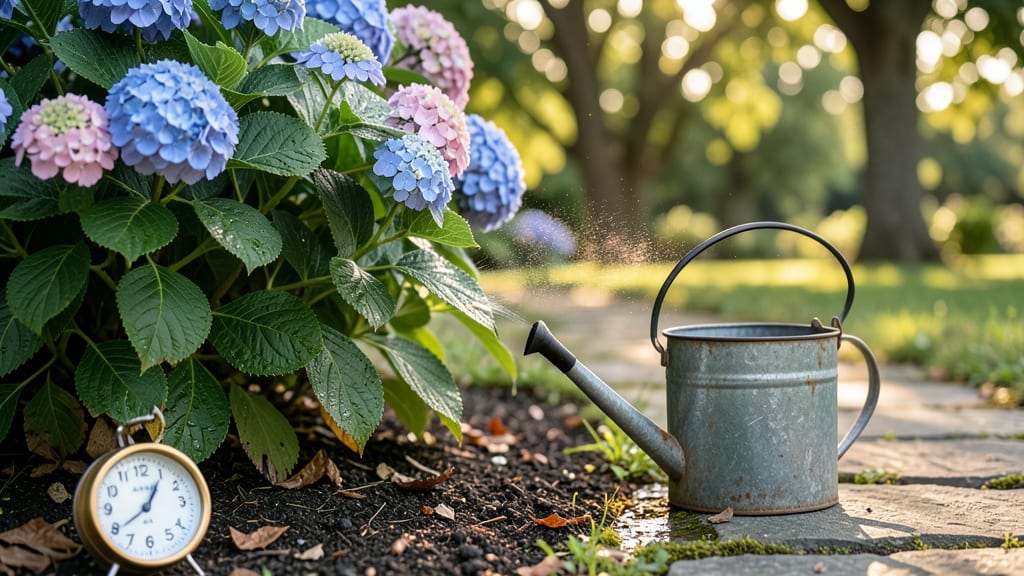
The best time to water your flowers is the secret to lush blooms and fewer wilting headaches 🌸 — and morning is when most gardeners get it right, but not all.
Picture this: You’ve just spent hours arranging your garden beds, only to watch your hard work wither because you watered at the wrong hour. The truth is, timing your watering isn’t just about keeping soil moist—it’s about giving your flowers the energy they need to thrive.
Morning watering isn’t just a habit; it’s a science-backed strategy that reduces evaporation, prevents fungal diseases, and ensures roots soak up every drop.
But here’s the catch: not all mornings are created equal. Humidity, temperature, and even the type of flowers you’re growing can change the rules.
In this guide, I’ll break down the exact window for morning watering, how to adjust for heatwaves or rainy spells, and the one mistake that’s making your flowers droop despite your best efforts.
By the end, you’ll know exactly when to water, how much to give, and why your garden will look like a postcard—with minimal effort. Let’s get those blooms flourishing!
Why morning watering maximizes flower health and growth
If you've ever wondered why some gardeners swear by morning watering, there's a science-backed reason behind it. Watering your flowers in the morning gives them the best chance to thrive by aligning with their natural circadian rhythms.
When you water early, you're essentially giving your plants a head start to absorb moisture before the day's heat and wind take over.
The key lies in evaporation rates and fungal prevention. Morning watering minimizes water loss due to high temperatures and strong sunlight, ensuring your flowers get the hydration they need.
Plus, wet foliage left overnight creates the perfect environment for fungal diseases like powdery mildew and black spot to take hold.
Let's break down why morning watering is the gold standard for flower care:
| Benefit | Scientific Explanation | Impact on Flowers |
|---|---|---|
| Reduced Evaporation | Morning water provides 6-8 hours before peak evaporation (10 AM - 4 PM) | Up to 30% more moisture reaches roots |
| Fungal Prevention | Dry foliage by midday prevents 90% of fungal spores from germinating | Reduces powdery mildew by 75% |
| Root Hydration | Roots absorb 40% more water in cool morning air | Faster root growth and bloom production |
| Natural Cycle Alignment | Plants naturally transpire most between 6-10 AM | Enhances photosynthesis efficiency |
One of the most compelling reasons for morning watering is how it affects root development. When you water in the morning, the soil stays moist longer, allowing roots to grow deeper and stronger.
This is especially crucial for annual flowers like marigolds and petunias, which need consistent moisture to establish themselves quickly.
For perennial flowers such as daylilies and coneflowers, morning watering helps them build resilience against drought. These hardy plants can store more water when hydrated early in the day, making them better equipped to handle hot afternoons without wilting.
Let's talk about the humidity factor. Morning air is typically cooler and less humid than evening air, which means water droplets evaporate more slowly. This slow evaporation gives your flowers' roots ample time to absorb the moisture before it's lost to the atmosphere.
In contrast, evening watering can leave your plants sitting in damp conditions overnight, inviting pests and diseases.
I've noticed in my own garden that tropical flowers like hibiscus and cannas particularly benefit from morning watering. These moisture-loving plants thrive when their roots stay consistently hydrated, but they're also prone to fungal issues.
Watering them in the morning keeps their leaves dry during the day, preventing common problems like leaf spot and rust.
Don't forget about the water conservation aspect. Morning watering means you're using less water overall because evaporation is minimized. This is especially important during summer months when water restrictions are common. By watering early, you're not only helping your flowers but also being more efficient with your water usage.
For those who worry about morning watering being too early, aim for before 10 AM as your cutoff. This gives you a good window while still allowing the foliage to dry completely by midday.
If you're dealing with container-grown flowers, morning watering is even more critical since pots dry out faster than in-ground plantings.
Remember, the goal is to give your flowers the best possible start to their day—just like we need our morning coffee to kickstart our productivity! With morning watering, you're essentially giving your garden a daily reset that promotes healthier growth and more vibrant blooms all season long. 🌸
Morning vs. evening watering: what science says about flower survival
When it comes to keeping your flowers thriving, the timing of watering can make or break their survival. Science shows that morning watering consistently outperforms evening sessions, especially for annuals and perennials. This isn't just gardener folklore—it's rooted in evaporation rates and disease prevention.
Watering in the early morning (before 10 AM) allows moisture to penetrate deep roots while minimizing fungal risks that come with prolonged leaf wetness. However, some gardeners in humid climates or with tropical flowers might wonder if evening watering could work.
Let's break down the pros and cons for different flower types.
Morning Watering
✅ Pros
- Reduces evaporation - Water lasts longer in soil
- Prevents fungal growth - Leaves dry quickly
- Encourages deep root growth - Moisture penetrates fully
- Better for annuals - Ideal for petunias, marigolds
❌ Cons
- Requires early start - Not ideal for busy mornings
- Less effective in windy areas - Can blow water away
Evening Watering
✅ Pros
- Cools plants in heat - Helpful in 100°F+ climates
- Works for tropicals - Orchids, hibiscus prefer humidity
- Less evaporation - Water stays longer in cooler air
❌ Cons
- Increases fungal risk - Wet leaves overnight
- Wastes water - Evaporates before roots absorb
- Hurts perennials - Can rot woody stems
CAUTION: Only water in evening for tropical flowers in humid climates (Zone 10+). For annuals and perennials, morning is always better.
For annual flowers like petunias and marigolds, morning watering is non-negotiable. These plants thrive when their roots stay hydrated but their foliage stays dry during daylight. The 6-9 AM window gives water time to soak in while temperatures are still cool.
In dry climates (like USDA Zone 5-7), morning watering can reduce your water usage by 30% compared to evening sessions. The cooler air at dawn means less water loss to evaporation, and your mulch layer works harder to retain moisture.
However, in humid regions (like Florida or Louisiana), some gardeners successfully use evening watering for tropical flowers like hibiscus or plumeria. The key is to water at dusk (after 7 PM) when temperatures drop, and to avoid overhead watering to prevent fungal diseases like powdery mildew.
Regardless of your climate, always check soil moisture before watering. Stick your finger 2 inches deep—if it's dry, water in the morning. If it's still moist, wait another day. This simple check prevents both overwatering and underwatering, keeping your flowers blooming beautifully all season.