
Neem Oil
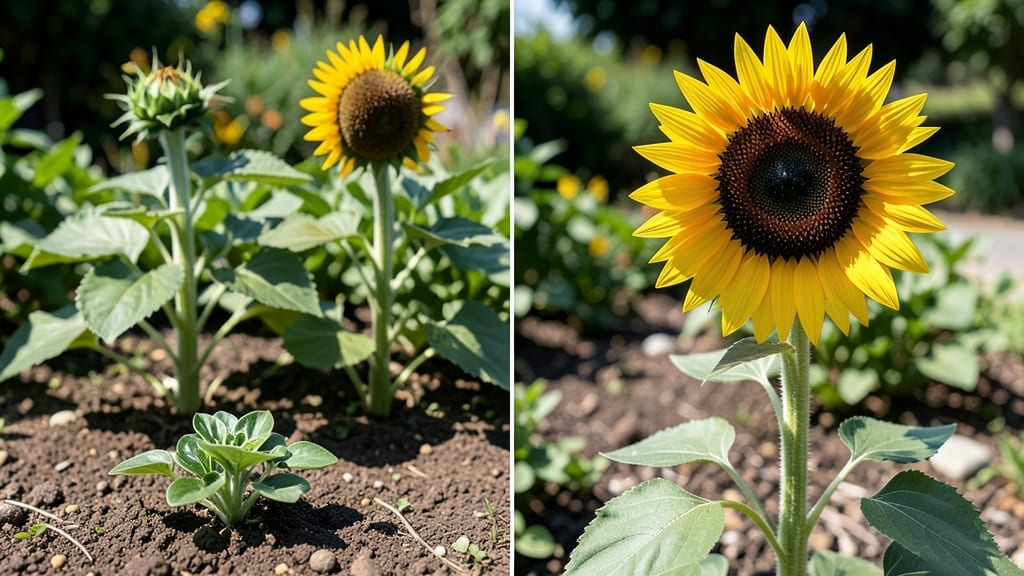
The five key growth stages of black oil sunflowers 🌻 transform them from delicate sprouts into towering, seed-packed giants—but without knowing what to watch for, you might miss critical milestones or overlook early warning signs.
Picture this: a 6-foot-tall stalk with a 4-inch-wide bloom, all starting from a seed the size of a fingernail. That journey unfolds in distinct phases, each with its own care needs, from germination to harvest-ready maturity.
In this guide, I’ll walk you through each stage—what to expect in terms of height, leaf shape, and flower development—plus the practical tips to keep your plants thriving, whether you’re a first-time gardener or a seasoned pro.
You’ll learn how much sunlight and water each phase demands, when to fertilize (and when to skip it), and how to spot common problems before they derail your harvest.


Black oil sunflower growth stages explained: month-by-month visual timeline
Growing black oil sunflowers is like watching a living skyscraper emerge from your soil—each stage reveals dramatic transformations. From the first seedling sprouts to towering flower stalks packed with seeds, understanding these phases helps you provide exactly what your plants need.
I’ve grown these giants for years, and I can tell you: timing is everything for maximizing those high-yield seeds.
Black oil sunflowers typically complete their life cycle in just 80-90 days under ideal conditions, but each growth phase demands different care. Whether you’re battling powdery mildew in humid months or ensuring proper stake support as they reach maturity, knowing what to expect at every turn makes all the difference.
Let’s break down the five key stages with month-by-month milestones you won’t want to miss.
🌱 Pro Tip: Always plant seeds after your last frost date (around April 15 in Zone 6) and in well-draining soil with full sun exposure. These sunflowers are fast growers—once they start, they’ll shoot up like nothing else in your garden!
During the germination stage (days 5-14), your seeds will sprout their first cotyledon leaves—those tiny, rounded leaves that look nothing like the mature foliage. This is the most fragile phase, so I always keep the soil consistently moist (but never waterlogged) and ensure temperatures stay above 60°F.
A heat mat can help if your spring nights are chilly.
By week 4, you’ll enter the seedling phase, where growth accelerates dramatically. Your sunflowers will shoot up to 12 inches tall in just a few weeks, developing their true leaves—long, lance-shaped, and slightly jagged.
This is when I thin my seedlings to 6 inches apart to give them room to stretch. If you’re growing in containers, now’s the time to upgrade to larger pots (
Key signs your black oil sunflowers are stressed (and how to fix it)
Black oil sunflowers are hardy plants, but even the toughest varieties show stress when conditions aren't ideal. As someone who's grown these giants for years, I've seen everything from yellowing leaves to stunted growth—and I know how to diagnose and fix these issues before they ruin your harvest.
The key is understanding what each symptom means at different growth stages.
Early signs often appear in the seedling stage (weeks 1-3), while later stress shows up during vegetative growth (weeks 4-8) or flowering (weeks 9-12). For example, premature flowering can signal nutrient deficiencies, while drooping leaves usually mean underwatering. Let's break down the most common problems and their solutions.
🚨 WARNING: Common Stress Triggers
These red flags appear at specific stages:
- 🌱 Seedling Stage: Yellow cotyledons = overwatering or poor drainage
- 🌿 Vegetative Stage: Purple stems = phosphorus deficiency
- 🌻 Flowering Stage: Drooping buds = calcium deficiency or heat stress
- 🌾 Maturity Stage: Blackened seeds = fungal infection or improper drying
Action: Isolate affected plants immediately to prevent spread.
If your sunflowers show yellowing leaves starting from the bottom, it's likely a nutrient deficiency—usually nitrogen. This often happens when plants are transitioning from the vegetative stage to flowering (weeks 8-10).
My solution? Apply a balanced 10-10-10 fertilizer and water deeply to help roots absorb nutrients. For organic gardeners, compost tea works wonders too.
Stunted growth during the vegetative stage (weeks 4-8) usually means your plants aren't getting enough sunlight or nutrients. I once had a batch that barely reached 3 feet—turns out they were planted too close to a tall shade tree.
Move them to full sun immediately and thin out crowded plants to 12-18 inches apart. If growth stops completely, check for root rot by gently digging near the base.
Premature flowering is another common issue, especially in hot climates. When sunflowers bloom too early (before reaching 4-5 feet tall), their seed heads won't develop properly. This often happens when plants experience heat stress or drought during the vegetative stage.
My fix? Provide afternoon shade with shade cloth and increase watering to every 2-3 days during extreme heat. Mulch heavily to retain moisture.
Pests like sunflower moths or aphids can also cause stress, especially during the flowering stage. I've seen entire buds turn brown and drop off when infestations go unchecked. For organic control, spray with neem oil (mix 1 tbsp per gallon of water) every 5-7 days.
If pests are severe, consider row covers during the most vulnerable weeks (weeks 9-11).
Remember, black oil sunflowers are resilient—most stress issues can be reversed with quick action. The key is observation and adjustment at each growth stage. Start with soil tests to check pH (ideal range is 6.0-7.0), and don't hesitate to prune damaged leaves to redirect energy to healthy growth.
With the right care, your sunflowers will reward you with abundant, high-quality seeds.