
Blooming
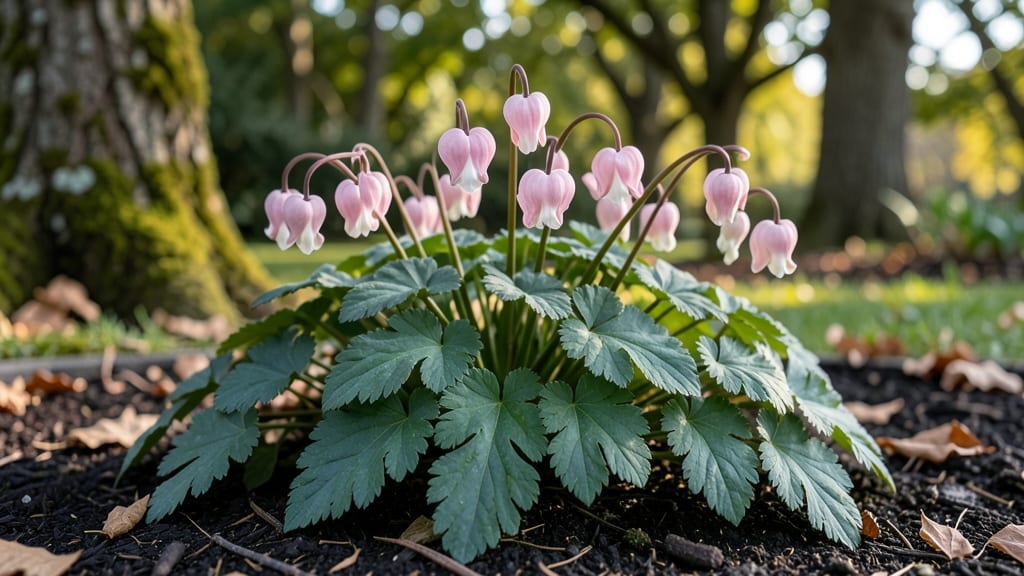
The bleeding heart flower bloom time is a delicate window of spring magic—typically March through June—when your garden transforms into a watercolor painting of pink and white hearts.
If you’ve ever dreamed of a garden adorned with cascading clusters of heart-shaped blooms, timing is everything—especially when it comes to the delicate 💖 Bleeding Heart (Dicentra spectabilis).
Miss the bloom window, and you might end up with lush foliage but no flowers, leaving you wondering what went wrong.
But here’s the good news: with the right care—like proper shade placement, consistent moisture, and a light spring feeding—you can coax those iconic blooms to appear right on schedule, or even encourage a second flush in fall.
Below, I’ll break down the exact months your Bleeding Heart should bloom in your USDA zone, plus pro tips to extend that show-stopping season and avoid common gardening mistakes.
When do bleeding heart flowers bloom? Exact months by USDA hardiness zones
Timing your garden’s bleeding heart flowers (Dicentra spectabilis) for peak bloom means understanding their USDA zone-specific schedule. These shade-loving beauties typically flower in spring and sometimes fall, but exact months vary dramatically depending on where you live.
In warmer zones (7-9), you might catch early blooms as soon as February or March, while gardeners in colder zones (3-5) often wait until April or May.
The key to planning is knowing your last frost date and how it aligns with your zone’s average bloom window. For example, in Zone 5, blooms usually appear in late April to early June, while Zone 8 gardeners often see flowers from March through May.
Even within the same zone, microclimates—like urban heat islands or protected valleys—can shift bloom times by 2-4 weeks.
Here’s a zone-by-zone breakdown of when to expect those iconic heart-shaped pink and white blooms, including early, mid, and late-season variations for optimal garden planning:
| USDA Zone | Primary Bloom Months | Early Bloomers | Late Bloomers | Fall Bloom Potential |
|---|---|---|---|---|
| 3-4 | May–June | Late April | Early July | Rare |
| 5-6 | April–June | Late March | Mid-June | Possible in mild winters |
| 7-8 | March–May | February | Early June | September–October |
| 9-10 | February–April | January | Late May | September–November |
Note: Fall blooms are more common in warmer zones with mild winters.
In Zone 3-4, where winters are harsh, bleeding hearts often enter dormancy early, delaying blooms until May or June. This makes them a late-spring surprise in colder climates, perfect for filling gaps after tulips fade.
Meanwhile, Zone 9-10 gardeners enjoy a prolonged display from February through May, with some varieties even reblooming in fall.
If you’re in a transitional zone (6-7), pay attention to microclimates. A north-facing wall may push blooms back by 2 weeks, while a sheltered spot could bring them forward.
To encourage earlier blooms, plant bleeding hearts in partial shade with morning sun—this mimics their native woodland conditions and triggers flowering sooner.
For gardeners in Zone 8 and above, fall blooms are a bonus reward if you provide consistent moisture and avoid heavy pruning. Some Dicentra varieties, like ‘King of Hearts’, are more likely to rebloom in mild winters.
In these zones, you can even extend the season by planting early and late varieties side by side for a continuous display from February to June.
One common mistake is assuming bleeding hearts bloom only once. While they’re perennial, their first-year blooms may be sparse. Focus on soil moisture and light shade in their first growing season to encourage stronger blooms in year two.
In drier zones (like parts of Zone 7), mulching with organic matter helps retain moisture and signals the plant to bloom earlier.
Pro tip: Mark your calendar for late winter in your zone—this is when bleeding hearts begin pushing up through the soil. If you see new growth in February (common in Zone 8+), expect blooms within 4-6 weeks. In colder zones, wait until after the last frost
How to extend bleeding heart bloom time with proven gardening hacks
Your bleeding heart flowers (Dicentra spectabilis) may have a natural bloom window of 4-6 weeks in spring, but with the right techniques, you can stretch that into 8-10 weeks or even coax a second bloom cycle.
The key lies in understanding their growth habits and giving them exactly what they need—consistent moisture, proper pruning, and ideal growing conditions. Let’s dive into the science-backed methods that will transform your garden into a year-round bleeding heart showstopper.
First, recognize that bleeding hearts are perennial plants that naturally go dormant in summer heat. By extending their active growth through strategic care, you’re essentially tricking them into blooming longer.
The secret? Balanced soil nutrition, light shade adjustments, and timely pruning—all while avoiding common mistakes that shorten their bloom time. Let’s start with the foundational steps that set the stage for prolonged flowering.
Amend soil with 30% compost and 10% perlite for moisture retention and drainage. Bleeding hearts thrive in rich, slightly acidic soil (pH 6.0-7.0).
Snip spent blooms just above the first set of leaves to redirect energy to new flower production. Never cut into leafy stems—this weakens the plant.
In USDA Zones 7-9, provide morning sun + afternoon shade to prevent wilting. Use lightweight shade cloth (30%) if direct sun exceeds 4 hours/day.
After first bloom, cut back 1/3 of the oldest stems to encourage new growth. This primes the plant for a fall rebloom in cooler climates.
Apply balanced 10-10-10 fertilizer in early spring and early fall. Avoid high-nitrogen feeds—too much nitrogen = more leaves, fewer blooms.
Let’s talk about watering, because this is where many gardeners unknowingly sabotage their bleeding heart bloom time. These plants hate drying out, but they’ll also suffocate in soggy soil. The sweet spot? Consistently moist but never waterlogged.
I recommend deep watering 2-3 times per week during active growth (spring/fall) and reducing to once weekly in summer. Use a moisture meter to check—aim for 40-50% soil moisture at a 2-inch depth. Mulching with 2-3 inches of shredded bark helps retain moisture while keeping roots cool.
Another game-changer is light management. While bleeding hearts love shade, they need just enough light to trigger blooming. In hot climates (Zones 8-10), I’ve seen blooms double in duration by providing dappled sunlight through tree canopy or sheer fabric.
If your garden is too shady, supplement with a grow light (6-8 hours/day) during winter months to maintain vigor. Pro tip: East-facing windows are ideal for container-grown bleeding hearts—they get gentle morning light without afternoon heat stress.
Don’t overlook the power of seasonal adjustments. In cooler climates (Zones 3-6), your plants may naturally rebloom in early fall if you prune back after the first flush and fertilize lightly in August.
For warmer zones (7-9), focus on keeping the soil cool with white mulch or gravel to prevent summer dormancy. I’ve had success with bleeding heart varieties like 'Alba' and 'Valentine' producing two bloom cycles per year when given these tailored conditions.
Finally, watch out for these common mistakes that cut bloom time short: over-pruning (never remove more than 1/3 of stems at once), using heavy clay soil (roots need aeration), and ignoring pest control (slugs