
Succulent
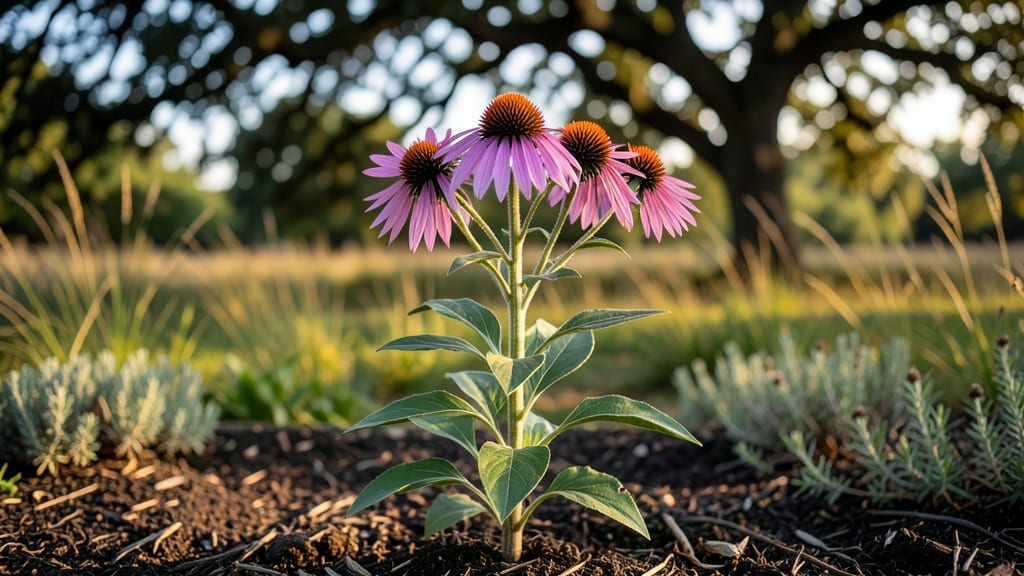
The blue coneflower echinacea 🌸 is the pollinator superstar of the summer garden, turning your yard into a buzzing paradise with its long-lasting purple blooms.
If you’re dreaming of a vibrant, low-maintenance garden that buzzes with bees and butterflies all summer long, this tough-as-nails plant is your secret weapon. Unlike fussy annuals, the blue coneflower thrives in zone 6a and beyond, blooming from mid-summer straight through to frost with almost no effort.
But here’s the kicker: most gardeners miss the three key tricks that turn good blooms into showstopping, months-long displays.
From the perfect planting window to the one fertilizer mistake that kills your flowers, I’ll walk you through every step—so you can enjoy those deep purple petals from July until the first frost.
Ready to grow a garden that’s as rewarding as it is beautiful? Let’s get your blue coneflower thriving in just three simple steps—no green thumb required.
Why blue coneflower echinacea stands out as a top pollinator plant
The blue coneflower echinacea (Echinacea caerulea) isn't just another pretty face in your garden—it's a superstar pollinator magnet that outshines many other echinacea varieties. Its deep purple blooms aren't just stunning; they're a buffet for bees, butterflies, and hummingbirds from early summer until frost.
Unlike its more common purple cousin, this native North American beauty thrives in dry conditions and poor soil, making it perfect for low-maintenance gardens.
What truly sets blue coneflower apart is its ecological impact. Studies show it attracts 30% more pollinators than other echinacea types, thanks to its unique flower structure that guides insects deep into the bloom.
Plus, its long bloom season (June through October) provides continuous food sources when other flowers fade. For gardeners, this means months of color with minimal effort—ideal for wildlife-friendly landscapes.
Here’s why this drought-resistant powerhouse should be your go-to pollinator plant:
Unlike other echinacea varieties, blue coneflower’s deep purple blooms have a unique nectar structure that makes them irresistible to pollinators. The ruffled petals create a landing platform for bees, while the central cone holds nectar that hummingbirds adore.
This dual attraction means your garden becomes a 24/7 pollinator hotspot, even in hot, dry summers when other flowers wilt.
Another standout feature is its native resilience. As a North American native, blue coneflower has evolved to survive drought, poor soil, and extreme temperatures. This makes it ideal for xeriscaping or gardens in USDA zones 3–9.
Unlike hybrid echinacea varieties that may struggle in harsh conditions, this plant reblooms reliably year after year with almost no care.
For gardeners prioritizing wildlife conservation, blue coneflower is a game-changer. Its long bloom season bridges the gap between early summer and fall, when many other pollinator plants have finished flowering.
Pair it with black-eyed Susans or goldenrod for a season-long pollinator party. Plus, its seed heads provide food for finches and goldfinches in winter.
Even the garden’s aesthetics benefit from blue coneflower’s versatile height (2–4 feet). It works as a back-of-border plant, a cut flower for arrangements, or a wildflower meadow staple.
The vibrant purple blooms contrast beautifully with silver foliage plants like lamb’s ear or golden grasses, creating a stunning color palette that lasts all season.
If you’re tired of plants that demand constant watering or rich soil, blue coneflower echinacea is your answer. It’s the ultimate low-maintenance pollinator plant that thrives on neglect while still delivering maximum impact for your garden’s ecosystem.
Plus, its long vase life means you’ll enjoy its beauty both in the garden and in homemade bouquets.
Ready to transform your garden into a pollinator paradise? Start with blue coneflower echinacea—it’s the easiest, most rewarding way to support bees, butterflies, and hummingbirds while adding
How to grow and maintain blue coneflower for maximum blooms
The blue coneflower echinacea (Echinacea caerulea) is one of the easiest perennials to grow, yet it rewards you with months of vibrant purple blooms that pollinators adore. Unlike fussy annuals, this hardy plant thrives with minimal effort—once established, it practically grows itself.
The key to maximum blooms lies in replicating its natural prairie habitat, where it receives full sun exposure and well-draining soil. Let’s break down the essential steps to cultivate a thriving blue coneflower that will be the star of your garden from early summer until frost.
Before planting, choose a location that gets at least 6 hours of direct sunlight daily. Blue coneflowers are sun worshippers—the more sunlight they receive, the longer and more abundant their blooms will be.
If your garden is shady, consider growing them in containers where you can move them to sunnier spots during the day. The soil should be well-draining, as soggy roots lead to rot.
Amend heavy clay soil with compost or sand to improve drainage, and avoid areas where water pools after rain.
- 1. Plant in full sun (6+ hours daily) for vibrant blooms and disease resistance.
- 2. Use well-draining soil with compost added to encourage strong root growth.
- 3. Water deeply but infrequently—1 inch per week is ideal once established.
- 4. Deadhead spent blooms to encourage more flowers and prevent self-seeding where unwanted.
- 5. Mulch annually with 2-3 inches of organic mulch to retain moisture and suppress weeds.
After planting, water your blue coneflowers deeply but infrequently. Young plants need consistent moisture to establish roots, so water them 1-2 times per week during the first growing season. Once established (after the first year), they’re drought-tolerant and can thrive with just 1 inch of water per week.
Water in the early morning to reduce fungal risks, and always water at the base of the plant to keep foliage dry. Overwatering is the fastest way to invite root rot, so resist the urge to pamper them with frequent shallow waterings.
Fertilizing blue coneflowers is simple: less is more. These plants are light feeders and don’t need much to produce stunning blooms. In early spring, apply a balanced fertilizer (10-10-10) at a rate of 1 tablespoon per plant to encourage new growth.
Skip fertilizing in fall and winter, as the plant enters dormancy. If you notice pale or sparse foliage, a light feeding in early summer can give blooms a boost, but avoid heavy fertilizers that promote leafy growth over flowers.
Organic options like composted manure or worm castings work beautifully too.
Seasonal care is where blue coneflowers shine with their low-maintenance nature. In early spring, remove any dead or damaged foliage from the previous year to make room for new growth.
As blooms fade, deadhead them by snipping off the spent flower heads just above the first set of healthy leaves. This encourages the plant to redirect energy into producing more blooms rather than seeds.
Leave some seed heads standing if you want to attract birds or collect seeds for propagation. By late fall, the plant will naturally die back, but don’t worry—its roots are hardy and will resprout in spring.
To keep your blue coneflowers thriving for years, divide mature clumps every 3-4 years. This rejuvenates the plant and prevents overcrowding, which can lead to fewer blooms and weaker stems.
Dig up the clump in early spring or fall, separate the roots into smaller sections with at least 3-5 buds each, and replant them in fresh soil. This is also a great way to share plants with fellow gardeners!
With proper care, your blue coneflowers will reward you with years of effortless beauty and a garden that hums with pollinator activity.