
Shrubs
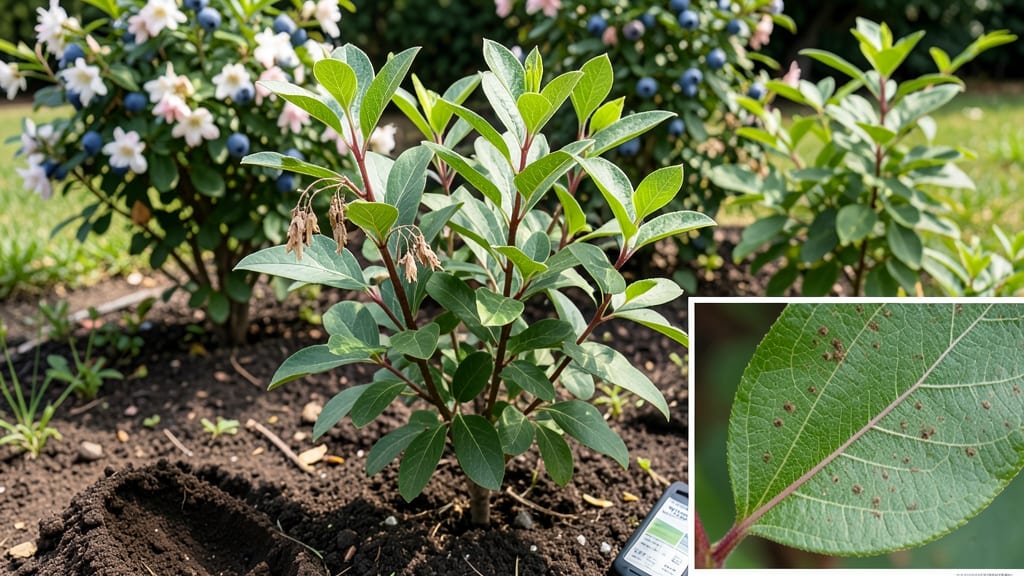
A blueberry bush not flowering is one of the most frustrating garden mysteries—especially when you’ve already waited years for that first harvest 🫐.
Picture this: You’ve planted your bush, given it the right soil, and even pruned it just so. But when spring rolls around, there’s nothing but leaves.
The good news? Most flowering issues boil down to just a few key factors, and fixing them can bring back those berries faster than you think.
Whether it’s soil pH, pruning mistakes, or simply not enough winter chill, I’ll walk you through the three most common culprits—and exactly how to fix them. No guesswork, just results.
By the end, you’ll know whether your bush just needs a little tweak or a complete reset to start blooming like crazy next season.
3 Critical reasons your blueberry bush isn’t flowering (and how to fix them)
If your blueberry bush is putting out leaves but no flowers, don’t panic—this is one of the most common issues gardeners face. The real frustration comes when you’ve been patiently waiting for those plump blueberries only to see bare branches.
The good news? Most flowering problems boil down to just three key factors: age, chilling hours, and pruning mistakes. Each one can be fixed with targeted action, and I’ll walk you through exactly how.
First, let’s address the most overlooked culprit: chilling hours. Blueberries need a specific number of cold hours each winter to trigger flowering. If you’re in a warm climate or your bush isn’t getting enough winter chill, it simply won’t produce flowers.
This is especially true for southern-grown varieties like ‘Southern Highbush’ or ‘Premier.’ Even in colder zones, improper pruning can disrupt this natural cycle, leaving your bush confused about when to bloom.
Another major red flag is over-pruning or cutting at the wrong time. Pruning too aggressively in late winter or summer can remove next year’s flower buds before they even form. And if your bush is too young—typically under 3 years old—it may simply not have reached flowering maturity.
The key is knowing exactly what to look for and when to act.
Your Bush Isn’t Old Enough
Blueberries typically need 3-4 years to mature before flowering. If yours is younger, be patient—focus on healthy growth now for bigger harvests later.
Insufficient Chilling Hours
Most varieties need 500-1,000 hours below 45°F annually. In warm climates, use artificial chilling (like a cold storage unit) or choose low-chill varieties like ‘Climax’.
Wrong Pruning Timing or Technique
Prune in late winter (just before buds swell) to avoid removing flower buds. Never prune in summer—this stresses the bush and delays next year’s blooms.
Let’s start with the easiest fix: age. If your blueberry bush is under 3 years old, it’s likely still focusing its energy on establishing roots and foliage. During this time, avoid heavy pruning or fertilizing—these can delay flowering even further.
Instead, focus on mulching with pine needles (to lower soil pH naturally) and ensuring it gets 6+ hours of sunlight daily. In just one growing season, you’ll often see the first signs of flower buds forming.
For chilling hours, the solution depends on your climate. In USDA Zones 6-7, most varieties get enough natural chill, but if you’re in Zone 8 or warmer, you’ll need to take action. Start by planting low-chill varieties like ‘O’Neal’ or ‘Misty.’
If that’s not an option, consider using a refrigerated storage unit (like a walk-in cooler) to expose potted bushes to 40°F temperatures for 6-8 weeks during winter. This mimics natural chilling and primes the bush for spring blooming.
Now, let’s talk pruning mistakes, which are the most common yet easiest to fix. Many gardeners prune at the wrong time—either too early in winter (when buds are still dormant) or too late in spring (after buds have already formed).
The correct window is late winter, just as the first signs of bud swell appear. Use clean, sharp pruners to remove only dead or diseased wood, and avoid cutting back more than 1/3 of the bush in any single year.
Here’s a quick diagnostic checklist to pinpoint your issue: First, check the age of your bush—if it’s under 3 years, flowering may just take time. Next, verify winter chilling hours by tracking temperatures or choosing a low-chill variety.
Finally, review your pruning history—did you cut in summer? Were the cuts too aggressive? Adjusting these factors can often restore flowering within 1-2 seasons.
One pro tip I’ve learned from years of growing blueberries: flower buds form in late summer (August-September) on the current year’s growth. If you prune after this window, you risk removing next year’s potential blooms.
Always prune in late winter (February-March in most zones) to give the bush time to set buds before spring warmth arrives.
If you’ve ruled out age, chilling hours, and pruning, the next step is to check your soil pH. Blueberries thrive in acidic soil (pH 4.5-5.5), and alkaline soil can prevent flowering entirely.
Test your soil with a home pH kit or send a sample to your local extension office. If the pH is too high, amend with sulfur or peat moss and re-test in 3 months.
Remember, blueberries are resilient. With the right adjustments—whether it’s patience for young bushes, chilling solutions for warm climates, or smart pruning techniques—you’ll be enjoying a bountiful harvest in no time.
Start with one fix at a time, monitor your bush closely, and don’t hesitate to experiment with varieties that suit your local conditions.
How to adjust soil, sunlight, and fertilizer for blueberry flowering success
Blueberries thrive when their soil pH, sunlight exposure, and nutrient levels align with their natural needs. If your bush isn’t flowering, these three factors are likely out of balance.
Blueberries demand acidic soil (pH 4.5–5.5), 6+ hours of sunlight daily, and targeted organic fertilizers to trigger blooms. Let’s fix each one step by step.
First, check your soil acidity—this is the #1 reason blueberries fail to flower. Most garden soils are too alkaline (pH 7+), which locks out essential nutrients like iron and manganese.
Use a soil test kit (available for $10–$20) to confirm your pH. If it’s above 5.5, amend with sulfur or peat moss to lower it gradually over 2–3 months.
Next, evaluate your sunlight situation. Blueberries need full sun (6+ hours) to produce flowers. If your bush is in partial shade, move it to a sunnier spot or prune nearby trees.
Even 2–3 hours less sun can delay flowering. In hot climates, provide afternoon shade to prevent stress, but morning sun is non-negotiable.
Common Mistakes vs. Correct Practices for Blueberry Flowering
Result: Nutrient lockout → No flowers
Fix: Add elemental sulfur (1 lb per 100 sq ft)
Result: Optimal nutrient uptake → Healthy blooms
Fix: Test annually; amend with pine needles or composted oak leaves
Result: Weak growth → Fewer flower buds
Fix: Relocate bush or prune shade sources
Result: Strong stems → Abundant flowers
Fix: South-facing spot; avoid east/west walls
Result: Leafy growth → No fruit production
Fix: Use low-nitrogen fertilizer (e.g., 10-10-10)
Result: Flowering + fruiting cycle
Fix: Apply cottonseed meal in early spring
Now, let’s talk fertilizer. Blueberries need phosphorus and potassium to bloom, but too much nitrogen (like lawn fertilizer) sends energy to leaves instead of flowers. Switch to an organic, acid-loving fertilizer like cottonseed meal (high in phosphorus) or compost tea.
Apply in early spring and again after harvest to support next year’s blooms.
For container-grown blueberries, mix peat moss or pine fines into your potting soil (50/50 ratio) to maintain acidity. Repot every 2–3 years with fresh soil, as containers dry out faster and lose nutrients.
Always use a pot with drainage holes to prevent root rot, which stresses the plant and reduces flowering.
Finally, mulch your blueberry bush with pine straw or wood chips to retain moisture and slowly acidify the soil. Avoid fresh wood chips, as they can rob nitrogen from the soil. Keep the mulch layer 2–3 inches thick but avoid piling it against the stem to prevent rot.
With these adjustments, your blueberry bush should start flowering within 4–6 weeks. Monitor progress and retest your soil pH in 6 months to ensure it stays in the ideal range.
Patience is key—blueberries often need 2–3 years to mature fully, but with the right care, you’ll see those delicious berries sooner than you think! 🫐