
Shrubs
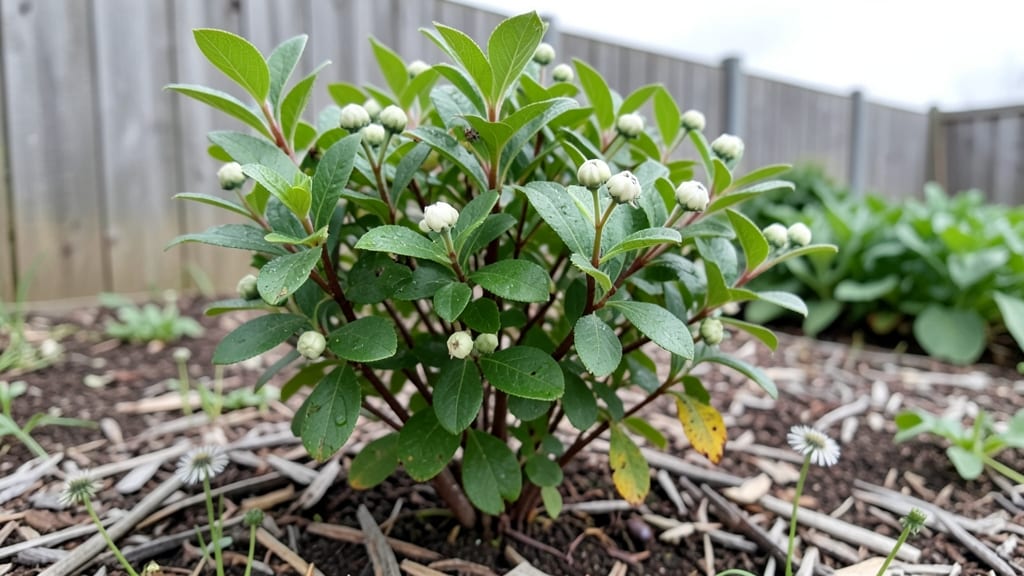
Mastering the care of blueberry flower buds is the game-changer for a bigger harvest—and it starts with understanding their delicate timing in Zone 6.
Struggling to get your 🫐 bushes to produce fruit? The secret lies in mastering blueberry flower buds—timing their blooms to maximize yield and avoid late-season disappointments. Even experienced gardeners miss the window, and a single frost can wipe out months of work.
These tiny buds form in late winter, but their success depends on chilling hours, pruning precision, and protecting them from pests. Get it right, and you’ll extend your harvest by weeks. Get it wrong, and you might end up with bare branches when berries should be ripening.
In this guide, I’ll walk you through how to spot healthy buds, force them early for an extended season, and troubleshoot common mistakes that kill your chances of a plentiful crop.
How to identify and prepare blueberry flower buds for forcing
Blueberry bushes produce their flower buds in late summer, but these tiny clusters hold the key to your harvest success. Identifying them early and preparing them properly ensures your bushes bloom on time—or even earlier—for a bigger yield.
The trick lies in understanding their dormancy cycle and giving them the right conditions to wake up when you want them to.
Most gardeners miss the optimal window for forcing buds because they don’t recognize the buds themselves. These buds look like small, rounded bumps on last year’s wood, often hidden among the leaves or stems.
Once you spot them, you’ll need to prune strategically and provide the right chilling requirements to encourage early blooming without stressing the plant.
- Step 1: Locate the Flower Buds
Inspect your blueberry bush in late summer (August-September). Look for small, greenish-purple buds (about the size of a pea) on last year’s canes. These are your potential blooms for next spring.
- Step 2: Understand Dormancy Needs
Blueberries require 600-900 hours of chilling below 45°F (7°C) to break dormancy. Track your local frost dates and plan forcing around this chilling requirement.
- Step 3: Prune for Airflow
Remove dead or crossing branches in late winter to improve airflow. Keep 3-5 main canes per bush, cutting just above a bud. Avoid heavy pruning—this stresses the plant and reduces bud viability.
- Step 4: Apply Early Chilling (Optional)
For southern climates, mimic winter by placing potted bushes in a cool garage (35-40°F) for 4-6 weeks. This tricks buds into thinking winter has passed, encouraging early blooming.
- Step 5: Monitor for Pest/Disease
Check for mummy berry fungus or aphids on buds. Treat with neem oil or copper fungicide if needed. Healthy buds = better forcing success.
- Step 6: Time Your Forcing
Start forcing 6-8 weeks before last frost. Move potted bushes to a bright, cool indoor spot (50-60°F) to simulate spring. Watch for buds to swell—this means blooming is imminent!
Forcing blueberry buds early isn’t just about speed—it’s about balancing stress and stimulation. If you rush the process, buds may drop, or flowers won’t set fruit. Start with one bush as a test to refine your timing before committing to your entire patch.
Patience here pays off with earlier harvests and fewer losses to late frosts.
Another critical factor is soil acidity. Blueberries thrive in pH 4.5-5.5 soil. Test your soil in early spring and amend with sulfur or peat moss if needed. Buds won’t develop properly in alkaline soil, no matter how well you time your forcing.
Pro tip: Use row covers after blooming to protect flowers from unexpected late frosts. Even forced buds can be damaged if temperatures dip below 28°F (-2°C). A lightweight frost cloth adds an extra layer of protection without smothering the plants.
Finally, keep a gardening journal to track bud development, forcing dates, and harvest results. Note which bushes respond best to your methods—some varieties (like ‘Duke’ or ‘Bluecrop’) force more reliably than others. Over time, you’ll fine-tune your approach for consistent early blooms every season.
With the right prep, your blueberry bushes can start flowering as early as February, giving you a jump on the harvest. Just remember: less is more when it comes to pruning and chilling. Push too hard, and you’ll end up with stressed plants and wasted buds. 🌱
Best methods to force blueberry flower buds early (with success rates)
Forcing blueberry flower buds to bloom early can double your harvest if done correctly. The key lies in understanding your climate zone and choosing the right forcing technique.
Southern gardeners face different challenges than northern growers, so let’s break down the most effective methods—winter chilling, heat treatments, and light exposure—with their success rates and expert tips.
Blueberries need 600-1,000 hours of chilling below 45°F to break dormancy. Without this, buds may fail to open. In warmer climates (Zones 8-10), natural chilling is scarce, while cooler zones (4-7) get ample cold exposure.
We’ll compare three forcing methods to help you pick the best approach for your location and bush maturity.
If you’re in Zones 4-7, winter chilling is your best bet—just ensure your bushes get enough cold exposure. For southern growers (Zones 8-10), heat treatments or container growing with chilling are essential. Artificial light works well for container blueberries but requires extra effort.
Timing is critical: start forcing 6-8 weeks before your last frost date. For example, in Zone 6, aim for mid-February to early March. Monitor buds closely—swollen buds mean success, while dry or blackened buds signal failure. Adjust your method if you see poor results.
Pro tip: Prune lightly after forcing to redirect energy to new growth. Remove dead or weak buds to encourage stronger blooms. Pair forcing with balanced fertilization (like 10-10-10 NPK) for best results. With the right approach, you’ll enjoy earlier blooms and a bountiful harvest!