
Flowers
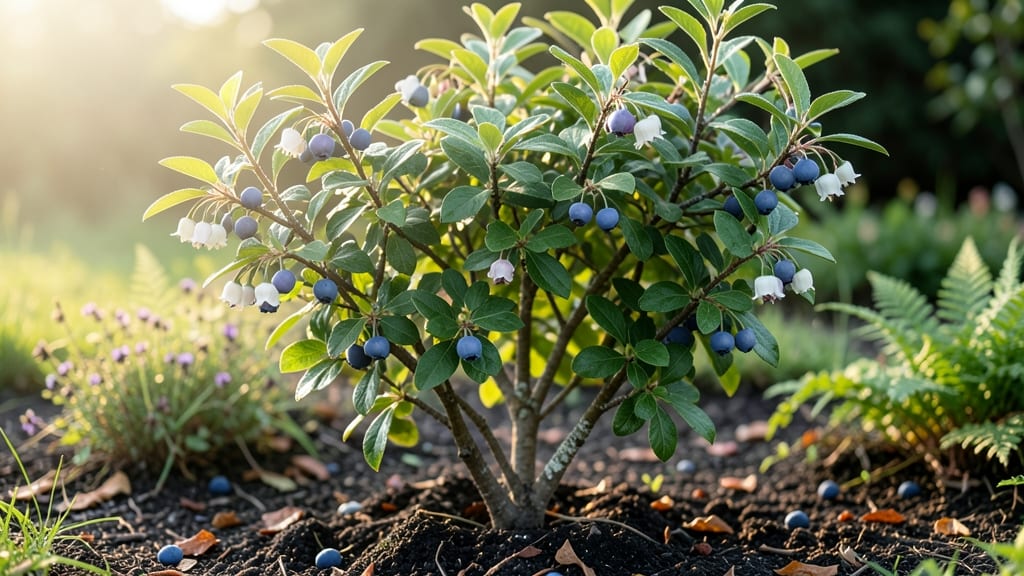
Turning blueberry flowers 🫐 into sweet fruit is all about timing, pollination, and the right care—each step builds on the last to deliver that first harvest.
Imagine months of anticipation, only to see tiny blossoms drop without a berry in sight. That’s the heartbreak of skipping a critical stage, and it happens more often than you’d think—especially when soil pH or pollinators are off.
Here’s what you need to know: from the moment those delicate white or pink flowers open to the day your bushes burst with ripe blueberries, small adjustments in watering, sunlight, and even pruning can mean the difference between a handful of fruit and a bucketful.
We’ll walk through each stage, pinpoint the most common mistakes, and show you how to troubleshoot delays before they stall your harvest for the season.
Blueberry flower to fruit: 7 key growth stages explained
Understanding the blueberry flower to fruit process helps you anticipate each stage and provide the right care. From delicate flower buds to ripe berries, each phase depends on specific conditions like temperature, pollination, and soil moisture.
Let’s break down the 7 key stages so you can troubleshoot delays and boost your harvest.
Blueberries are self-pollinating but benefit from cross-pollination for better fruit set. Most varieties take 60–120 days from flower to ripe fruit, but this varies with climate and cultivar. Southern highbush types (like ‘Rabbiteye’) ripen faster than northern highbush (like ‘Bluecrop’) in cooler zones.
| Stage | Visual Cues | Duration | Ideal Conditions | Care Tips |
|---|---|---|---|---|
| 1. Bud Formation | Tight, green buds appear on last year’s wood (spring). | 2–4 weeks (late winter) | 40–50°F nights, 60–70°F days. | Prune dead wood; avoid heavy nitrogen fertilizer. |
| 2. Flowering | White/pink bell-shaped flowers open (April–May). | 7–14 days (peak bloom). | 50–60°F days, 45°F+ nights. | Hand-pollinate if no bees (gently shake branches). |
| 3. Pollination | Flowers wilt; tiny green berries form. | 3–7 days post-bloom. | 60–75°F with humidity. | Ensure consistent watering (1–2 gallons/plant). |
| 4. Berry Set | Berries grow to pea-size (green with white cap). | 3–4 weeks. | 65–80°F days, acidic soil (pH 4.5–5.5). | Apply balanced fertilizer (10-10-10). |
| 5. Rapid Growth | Berries double in size (green to pinkish). | 4–6 weeks. | 70–85°F, full sun. | Mulch with pine needles to retain acidity. |
| 6. Color Change | Berries turn deep blue/purple (white cap falls off). | 2–3 weeks. | 75–90°F, no frost risk. | Reduce water slightly to concentrate flavor. |
| 7. Ripening | Fully blue, soft to touch, pulls from stem. | 1–2 weeks. | 65–80°F, dry conditions. | Harvest daily to prevent bird damage. |
Stage 1 (bud formation) kicks off in late winter when dormant buds swell under cool temperatures. Prune dead canes in late winter to redirect energy to new growth. If buds fail to open, check for frost damage or low soil pH (test and amend if needed).
During flowering (Stage 2), blueberries rely on bees or wind for pollination. If blooms appear but no fruit sets, hand-pollinate by gently tapping branches. Avoid overhead watering during this stage—wet flowers can lead to bloom rot. Southern varieties like ‘Climax’ bloom earlier than northern types.
Stage 3
Critical factors that speed up (or slow down) blueberry fruit development
Blueberries are finicky about their growing conditions, and even small changes in care can dramatically affect how quickly flowers develop into fruit. If your bushes are blooming but the berries aren’t setting properly, it’s likely one of these five critical factors is holding things back.
Understanding each will help you adjust your approach for faster, healthier fruit development.
From sunlight exposure to soil acidity, every element plays a role in whether your blueberries ripen in 60 days or drag out to 120+. Let’s break down what’s speeding up—or slowing down—your harvest, and how to fix common issues before they stall your plants.
- 1 Sunlight (6+ hours daily): Full sun triggers faster flower-to-fruit conversion. Shade delays ripening by 2-3 weeks.
- 2 Soil pH (4.5-5.5): Acidic soil unlocks nutrient uptake. Test pH annually—higher pH = slower fruit set due to iron deficiency.
- 3 Watering (deep & consistent): Drought stress causes flower drop. Water 1-2 gallons per plant in morning to avoid fungal issues.
- 4 Pollinators (bees/wind): Self-pollinated varieties need hand-pollination if bees are scarce. Cross-pollinated types rely on nearby bushes for faster fruit development.
- 5 Temperature (55°F-85°F): Frost after bloom = lost fruit. Heat waves above 90°F can cause flower drop—provide afternoon shade if needed.
If your blueberries are stalling at the flower stage, start by checking your sunlight exposure. Move potted plants to sunnier spots or prune nearby trees shading your bushes. Even partial shade can delay ripening by up to 3 weeks, so aim for 6+ hours of direct sun daily.
My southern-facing blueberry patch produces fruit 2 weeks earlier than my shaded northern side—proof that sunlight is non-negotiable.
Next, test your soil pH—this is where most gardeners trip up. Blueberries are acid-loving, and a pH above 5.5 will stunt fruit development. Amend your soil with peat moss or sulfur if needed, and retest every 6 months.
I once had a bush with tiny, underdeveloped berries until I adjusted the pH—now my plants burst with fruit in just 75 days instead of 100+.
Watering is another sneaky culprit. Blueberries need consistent moisture, but soggy soil causes root rot, which slows fruit growth. Water deeply 2-3 times per week (more in summer) and always in the morning to prevent fungal diseases.
I learned this the hard way when my berries dropped off after a heatwave—now I use drip irrigation to keep roots happy without overwatering.
Finally, don’t overlook pollinators. If you’re growing self-pollinated varieties like ‘Bluecrop,’ you might need to hand-pollinate with a paintbrush if bees aren’t visiting. For cross-pollinated types, plant at least two compatible bushes nearby.
Last year, my ‘Duke’ blueberries failed to set fruit until I added a ‘Jersey’ bush—now both varieties thrive and ripen 10 days faster.
Troubleshoot stalled growth by checking these factors in order: sunlight → pH → water → pollinators → temperature. Small adjustments in each area can shave weeks off your harvest time, turning a 120-day wait into a 90-day bounty.
With the right care, your blueberries will go from flower to fruit in record time—just like my early-season bushes do every year! 🫐