
Flowers
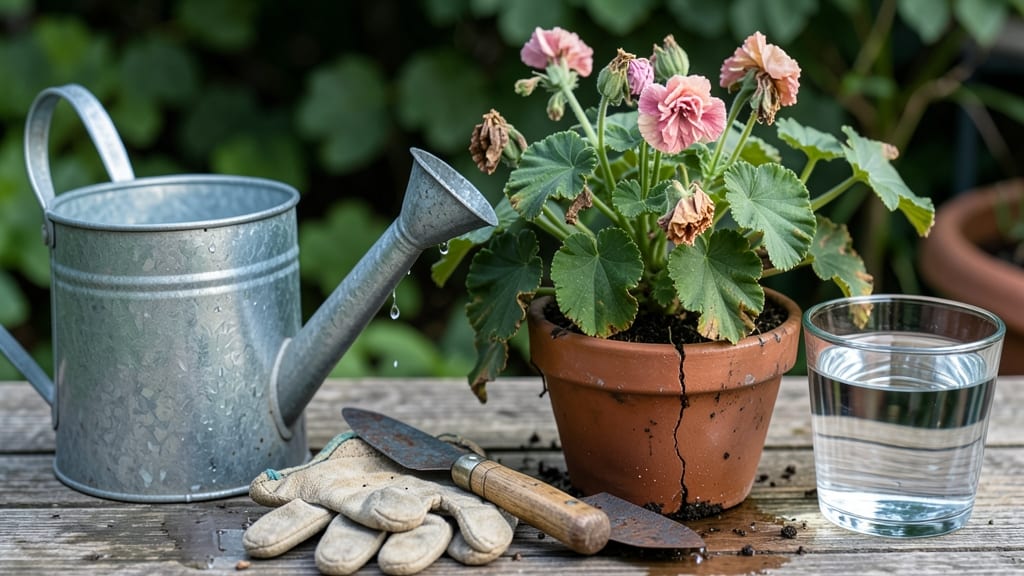
Reviving wilted flowers and bringing them back to life is easier than you think — and you don’t need fancy products to do it.
Picture this: your once-vibrant bouquet now droops like a sad paper flower, but instead of tossing it, you can breathe new life into those petals with just a few simple steps.
Whether it’s your Perennial Flowers 🌸 or a store-bought arrangement, the secret lies in understanding what’s making them wilt and how to fix it fast.
Many people assume wilting means the end, but the truth is, flowers often just need a little TLC—like a fresh cut, the right hydration, and a dash of sugar to perk them up.
Below, I’ll walk you through the 3-step revival process that works for almost any flower, plus tips to keep them fresh longer so you can enjoy their beauty for days.
No chemicals, no guesswork—just proven techniques to turn limp stems into stunning blooms again. Ready to save your flowers?
3 Immediate steps to revive wilted flowers without chemicals
When your cut flowers start drooping, it’s often a sign they’re thirsty or stressed. The good news? You don’t need expensive flower food or harsh chemicals to bring them back to life.
With just a few household items and a little patience, you can restore their vibrancy in as little as 24 hours. These science-backed steps focus on rehydration, sugar absorption, and ethylene gas reduction—all naturally.
Before diving in, check the stem condition. If stems are mushy or black, the flowers are past saving. But if they’re still firm, even slightly limp, these steps will work wonders.
The key is acting quickly—the sooner you revive them, the better the results. Let’s start with the first critical step: deep hydration.
Step-by-Step Revival Process
-
Step 1: Trim and Hydrate
Use sharp scissors or pruners to cut stems at a 45-degree angle, about 1 inch from the base. This increases water absorption. Place stems in a clean vase filled with cold water—never warm or hot water, as it speeds up wilting.
-
Step 2: Sugar and Vinegar Boost
Add 1 teaspoon of sugar and 2 tablespoons of white vinegar per quart of water. Sugar feeds the flowers, while vinegar cleans the stems and prevents bacterial growth. Stir until dissolved and let the stems soak for at least 1 hour before moving to fresh water.
-
Step 3: Ethylene Gas Removal
Transfer stems to a new vase with fresh cold water and remove any leaves submerged below the waterline to prevent rot. Place the vase in a cool, draft-free location (like a countertop away from fruit bowls, which release ethylene gas).
Check water levels daily and refresh every 2-3 days.
🌸 Timing Tip: Most flowers show improvement within 4-6 hours, with full revival in 24 hours.
Why does this work? Flowers wilt when their water supply is cut off or when harmful bacteria clog their stems. The sugar-vinegar mix acts like a natural flower food, while the 45-degree cut maximizes water uptake. Vinegar also acts as a mild disinfectant, keeping stems healthy longer.
For long-stemmed flowers like roses or lilies, add a drop of dish soap to the water to reduce surface tension and help water climb the stems faster. This trick is especially useful if the flowers are severely wilted but not yet mushy.
Always use room-temperature water—cold water shocks the stems, while warm water encourages bacterial growth.
If your flowers are potted plants (like geraniums or ferns) that have wilted, the same principles apply. Repot the plant in fresh, well-draining soil and water deeply until it drains from the bottom.
Place the pot in a shady spot for 24 hours to recover before returning it to sunlight. Avoid fertilizing during this time, as it can stress the plant further.
One common mistake is overcrowding flowers in a vase. Too many stems compete for water, speeding up wilting. Aim for 3-5 stems per quart of water to give each flower enough hydration. Also, avoid placing vases near heat sources like radiators or direct sunlight, which dehydrate flowers faster.
For everlasting flowers (like dried baby’s breath or statice), the revival process is different. These flowers don’t need water—they’re already preserved! Instead, gently brush off dust with a soft brush and display them in a low-humidity area to maintain their shape.
If they’ve lost their color, a light spray of water can temporarily revive their appearance.
Remember, prevention is key. Next time you arrange flowers, trim stems every other day, change the water every 2-3 days, and keep them away from ripening fruits and vegetables (which release ethylene gas).
With these habits, your flowers will stay fresh 2-3 times longer without any extra effort.
Why flowers wilt and how to prevent future drooping
Wilting flowers are often a sign your blooms are thirsty, stressed, or suffering from ethylene gas buildup—a natural plant hormone that speeds up aging. The good news? Most wilting isn’t permanent, and understanding the root causes helps you prevent future drooping before it starts.
Whether your flowers are freshly cut or potted plants, the same principles apply to keep them perky and vibrant.
Poor cutting techniques are another common culprit. When stems aren’t trimmed at the right angle or submerged properly, they can’t absorb enough water and nutrients. Even something as simple as leaving leaves in the vase can block water uptake, leading to rapid wilting.
By addressing these issues head-on, you’ll save time and frustration—and keep your flowers looking fresh for days.
⚠️ WARNING: Don’t Wait Until It’s Too Late!
If your flowers are already limp, act within 30 minutes for the best chance of revival. Start by recutting stems at a 45-degree angle under cold water—this removes blocked vessels and allows fresh water uptake.
Then, place them in a vase with room-temperature water and a pinch of sugar (1 tsp per quart) to replenish energy. Avoid warm water, as it can shock the stems further.
✅ Pro Tip: Trim stems under water to prevent air bubbles from blocking the xylem.
Ethylene gas is a silent killer for cut flowers, released naturally as they age or from nearby fruits like apples and bananas. This gas accelerates wilting by triggering petal senescence. To combat it, keep your vase away from ripening fruits and replace the water every 2-3 days.
A splash of white vinegar (1 tsp per quart) can also neutralize bacteria in the water, giving your flowers a longer lease on life.
For potted flowers, wilting often signals underwatering or overwatering. Check the soil moisture by sticking your finger 1 inch deep—if it’s dry, water thoroughly until it drains from the bottom.
If it’s soggy, let it dry out before watering again. Overwatered plants can’t absorb oxygen, leading to root rot and wilting. Always use a pot with drainage holes to prevent waterlogging.
Light conditions play a surprising role in flower health. While most blooms thrive in bright, indirect light, direct sunlight can cause wilting by increasing water loss through transpiration. Place your vase or potted flowers near a south-facing window but out of harsh afternoon rays.
If you notice leaves curling or drooping in the heat, move them to a cooler spot or provide light shade to reduce stress.
Finally, don’t overlook the power of proactive care. Before arranging your bouquet, give stems a fresh cut and remove any lower leaves that would sit underwater. Use a clean vase (rinse with vinegar water to kill bacteria) and change the water daily.
For extra longevity, add a commercial flower food packet or DIY mix of sugar and bleach (1 tsp each per quart) to the water. These simple steps can extend your flowers’ life by 2-3 times!