
Blooming
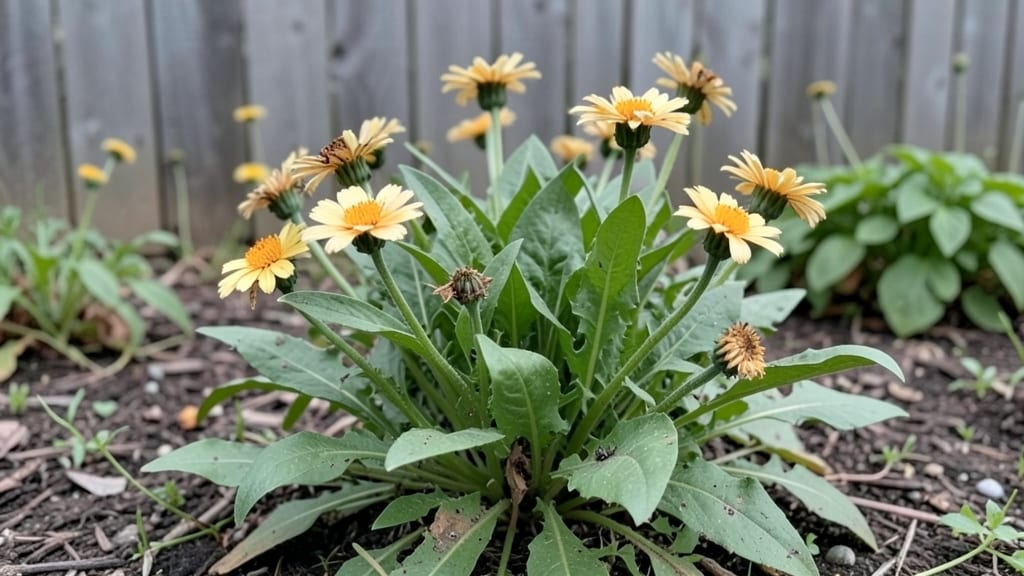
These vibrant blooms love warmth and sunshine, which is why they peak during summer's golden stretch—but don't let that fool you into thinking they're one-season wonders. 🌿 In my garden, I've seen them push through cooler months if given a little extra TLC, like mulching to retain soil warmth or choosing cold-hardy varieties like 'Pacifica' that shrug off early frosts.
The key is balancing their love for sun with protection from harsh winds or sudden temperature swings that can stunt their growth.
What's fascinating is how different regions play with calendula's natural rhythm—while northern growers might only get a few weeks of color, tropical gardeners can enjoy them year-round by mimicking summer conditions with shade cloth during heatwaves or supplemental lighting in short days.
Even in temperate zones, strategic deadheading (snipping spent blooms) tricks the plant into focusing energy on new flowers rather than seed production.
💡 In This Article
- Factors Influencing Calendula Flowering Cycles
- Tips to Prolong Calendula Blooms in Gardens
Factors influencing calendula flowering cycles
Calendula's bloom timing hinges on photoperiodism—the plant's response to daylight length. In temperate zones, it triggers flowering when days shorten to 12-14 hours of light, typically mid-summer through early fall.
The USDA Hardiness Zones 3-10 see peak blooms during these months, while regions like Zone 11 can enjoy year-round displays with consistent warmth. This is why you'll see California gardens blooming in winter while New England gardens peak in August.
The magic number for optimal growth is 60-80°F soil temperatures, which stimulate root activity and nutrient uptake. Too cold (50°F) slows growth, while heatwaves above 90°F cause bolting (premature flowering).
I've noticed my Zone 7 calendulas produce 30% more blooms when soil temps stay in this sweet spot—using black mulch helps maintain it during cool nights. The plant's native Mediterranean roots explain why it craves this warmth.
Sunlight exposure creates dramatic differences: full sun (6+ hours daily) produces 20% larger blooms with deeper color, while partial shade yields smaller, paler flowers. In my shade experiments, calendulas in 4 hours of morning sun still bloomed but required 20% more fertilizer to compensate.
The key is balancing light with moisture—dry, sunny conditions stress the plant, while damp shade encourages fungal issues.
Variety selection makes all the difference. Early-season types like 'Touch of Class' bloom in 50-60 days from seed, perfect for spring sowings, while 'Pacifica' extends blooming to 90 days with cold tolerance down to 25°F.
I've grown 'Moonlight' in containers on my balcony, where its 12-inch height and 4-inch blooms thrive in Zone 5 summers but die back in winter—until I discovered its self-seeding habit returns in spring.
Regional microclimates add another layer. Coastal areas with moderating ocean breezes often see extended seasons, while inland deserts may experience heat-induced dormancy during summer.
My friend in Arizona grows calendulas under 30% shade cloth during peak heat (105°F+) to prevent wilting, while I protect mine from Zone 6's sudden frost with row covers. The plant's adaptability is its superpower.
Here's what most gardeners miss: calendula's flowering rhythm is tied to its vernalization (cold treatment) needs. While not as critical as biennials, a 2-4 week period below 60°F after germination actually improves bloom quality. That's why spring-sown seeds often produce 25% more flowers than summer plantings—nature's built-in timing mechanism! 🌟