
Blooming
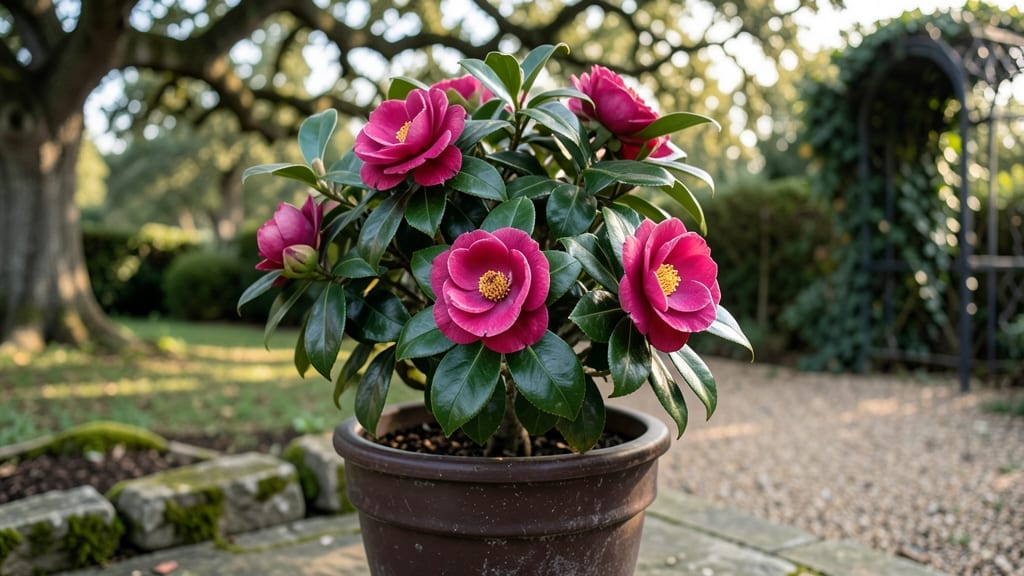
The camellia flower blooming season varies dramatically by zone, but the magic happens in late winter to early spring—when your 🌸 shrubs transform your garden into a living watercolor.
Picture this: You’ve waited months for those first buds to swell, only to check in January and find nothing but bare branches. Or worse, your camellias bloom all at once in a glorious burst—then vanish in a week.
Timing isn’t just about aesthetics; it’s about maximizing your plant’s potential and avoiding common pitfalls that leave you staring at empty stems.
In this guide, I’ll break down the exact months your camellias will flower based on your USDA zone, from the early bloomers of Zone 9b to the late-season stars in Zone 7b. You’ll also learn how to coax longer blooms, adjust care for your climate, and troubleshoot why some years feel like a total flop.
Whether you’re a first-time camellia grower or a seasoned enthusiast, these insights will help you plan for peak beauty—and maybe even extend the show by weeks. Let’s get started.
Camellia blooming season by USDA Zone: month-by-month breakdown
Timing your camellia blooms is like planning a garden party—you want to know the exact guest list (aka bloom months) for each variety in your zone. Camellias are finicky about climate, and their fall or spring displays depend heavily on whether you’re in USDA Zones 7–10.
For example, Camellia sasanqua thrives in cooler zones, while Camellia japonica prefers milder winters. Let’s break down the peak bloom windows so you can mark your calendar for those showstopping moments.
Understanding your zone’s microclimate is key. Coastal areas in Zone 8 might see blooms earlier than inland spots, while Zone 10 gardens could enjoy year-round color with the right varieties.
The table below maps out early, mid, and late bloomers by zone, so you can plan for fall color or spring splashes—or both!
If you live in Zone 7, your Camellia sasanqua will likely steal the show in late fall, while Zone 8 gardeners can expect a spring spectacle from Camellia japonica.
The key difference? Sasanqua varieties bloom on old wood (last year’s growth), so they’re less affected by winter pruning. Meanwhile, japonica blooms on new wood, meaning pruning timing matters if you want those showy spring flowers.
For Zone 9 and 10, the party never really stops. Camellia reticulata and oleifera varieties can produce blooms year-round, with peaks in fall and spring. In these warmer zones, heat stress can delay blooms, so providing afternoon shade and consistent moisture keeps your camellias happy. I
How to extend your camellia blooming season naturally
If you love the sight of camellia blooms and want them to last longer, you’re in the right place. With the right care, you can extend your camellia’s flowering season by weeks—even months! The secret lies in understanding your plant’s needs and making small but impactful adjustments.
Whether you’re growing Camellia japonica or Camellia sasanqua, these strategies will help you enjoy those stunning flowers for as long as possible.
Camellias thrive when given the right conditions, and a few key tweaks can make a world of difference. From soil pH adjustments to smart watering schedules, each step plays a role in prolonging blooms.
Let’s dive into the most effective methods to keep your camellias in full glory for longer.
Trim dead or spent flowers in late spring to encourage new growth and prolong blooming.
Test your soil pH and amend with peat moss or sulfur to keep it between 5.0-6.0.
Give 1-2 gallons of water per plant weekly, especially during dry spells.
Use a balanced, acid-loving fertilizer (8-10-10) to support new flower buds.
Wrap young plants in burlap or use mulch to shield roots from freezing temperatures.
One of the easiest ways to extend your camellia’s blooming season is by pruning strategically. After flowers fade, trim back dead blooms and branches to redirect energy toward new growth.
This not only keeps your plant looking tidy but also encourages more flowers in the next cycle. Just avoid heavy pruning in late summer, as it can reduce next year’s blooms.
Your camellia’s soil pH is another critical factor. These plants are acid-loving, so if your soil is too alkaline, blooms will suffer. Test your soil and amend it with peat moss or sulfur to keep the pH in the ideal range of 5.0-6.0.
Healthy soil means healthier roots, which means more energy for vibrant flowers.
Consistent watering habits make a surprising difference. Camellias hate dry soil but also dislike soggy roots. Aim for deep watering once a week, giving each plant about 1-2 gallons. Water in the morning to reduce evaporation and fungal risks.
During hot summers, you may need to water more frequently, but always let the top inch of soil dry out between waterings.
Finally, don’t forget about winter protection, especially if you live in a cooler climate. Young camellias are particularly vulnerable to freezing temperatures. Wrap the base of the plant in burlap or apply a thick layer of mulch to insulate the roots.
This small step can mean the difference between a weak spring bloom and a spectacular display.
With these natural strategies, you’ll enjoy your camellia’s stunning blooms for weeks longer than usual. The key is consistency—give your plant the right conditions, and it will reward you with beauty that lasts. Happy gardening! 🌸