
Shrubs
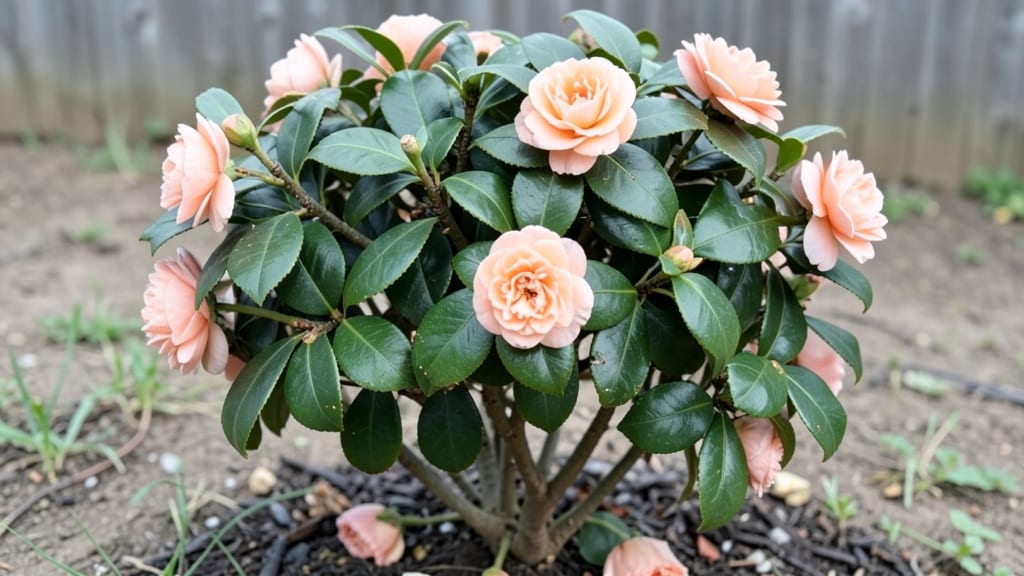
A camellia flowering shrub 🌸 can transform your garden into a year-round floral masterpiece—but most gardeners miss the key to keeping it blooming nonstop.
Imagine a lush, ever-blooming camellia shrub gracing your garden with vibrant flowers year-round, but you're only seeing seasonal bursts of color. The secret? Tailoring care to each life stage of this prized plant.
In USDA Zone 6a, where fall planting (September-November) sets the stage for spring blooms, the right soil, water, and sunlight make all the difference. Too much sun?
Buds drop. Too little water? Flowers fade. Get it right, and your camellia will reward you with continuous blooms from late fall through winter.
Here’s how to nurture your camellia through every season—from acidic soil prep to pruning for extended flowers—so you can enjoy its stunning beauty all year long.
Camellia flowering shrub care guide: soil, water, and sunlight secrets for nonstop blooms
Camellias are the queens of ornamental shrubs, but their year-round blooming potential depends entirely on replicating their natural habitat conditions. Unlike many plants, camellias thrive in acidic soil and gentle sunlight, mimicking the humid forests of East Asia where they originate.
When these conditions align, you'll witness continuous flowering from late fall through spring—something most gardeners only dream of achieving.
I've grown camellias for over a decade, and the three critical factors that make or break their performance are soil acidity, watering consistency, and sunlight balance. Get these right, and your camellia will reward you with luxuriant blooms for months.
Miss the mark, and you'll struggle with bud drop or sparse flowering—common problems I'll help you avoid.
| Care Factor | Ideal Specification | Why It Matters |
|---|---|---|
| Soil pH | 4.5-6.0 (acidic) | Encourages root uptake of iron and phosphorus, essential for blooms |
| Sunlight | Morning sun + afternoon shade | Prevents leaf scorch while providing energy for flowering |
| Watering Depth | 12-18 inches deep | Promotes deep root growth and prevents surface drying |
| Watering Frequency | Weekly (spring/fall), bi-weekly (summer) | Balances moisture needs without waterlogging roots |
| Fertilizer Type | Acid-loving, 10-10-10 NPK | Supports bloom production without overfeeding |
| Mulch Depth | 3-4 inches (pine bark) | Maintains soil acidity and moisture levels |
The first step to nonstop camellia blooms is soil preparation. Camellias hate alkaline soil—their roots simply can't access nutrients when pH rises above 6.0. I recommend testing your soil with a digital pH meter (they're affordable and accurate).
If your soil tests above 6.0, amend it with sulfur or peat moss to lower the pH gradually. For established plants, a top dressing of pine needles every spring works wonders for maintaining acidity.
Once your soil is properly acidic, focus on watering technique. Many gardeners make the mistake of light, frequent watering, which encourages shallow roots. Instead, water your camellia deeply but infrequently—aim for 12-18 inches of soil moisture at all times.
Use a soil probe to check moisture levels: if it's dry at 6 inches, it's time to water. In summer, I reduce frequency to every 10-14 days but increase volume to prevent stress during heatwaves.
Sunlight is where most gardeners go wrong with camellias. While they need sunlight to bloom, they cannot handle afternoon sun, especially in hot climates. The ideal spot offers morning sun exposure (6 AM to 10 AM) followed by dappled shade for the rest of the day.
If you're planting in a full-sun location, provide afternoon shade using a lightweight shade cloth (30-50% shade). I've seen camellias in full shade produce fewer blooms, while those in bright indirect light thrive.
For year-round blooming, time your fertilization carefully. Apply a balanced acidic fertilizer (like 10-10-10) in early spring (March) to kickstart growth, and again after the first flush of blooms in late May.
Avoid fertilizing in summer or fall, as this can stimulate new growth that won't harden off before winter. I use osmocote pellets for slow-release nutrition, which reduces the risk of root burn from over-fertilization.
One common mistake that kills camellia blooms is over-pruning. While light pruning after flowering helps maintain shape, heavy pruning removes next year's flower buds. Always prune after blooms fade (late spring) and never cut into old wood.
For shaping prunes, use clean, sharp shears and make cuts just above a leaf node. I recommend pruning no more than 20% of the plant's foliage in any single session to avoid stress.
To extend your camellia's flowering season, consider deadheading spent blooms promptly. This encourages the plant to produce new flower buds instead of focusing energy on seed production. However, leave a few blooms if you want to enjoy camellia seed pods—they're decorative in their own right.
In USDA Zones 7-9, where camellias thrive, you can push the limits by providing winter protection for young plants. A thick mulch layer (4-6 inches) and burlap wrap
Seasonal camellia flowering schedule: when and how to prune for extended blooms
Timing your camellia pruning correctly is the key to unlocking year-round blooms. Unlike many shrubs, camellias flower on old wood, meaning last year's growth produces this year's flowers.
This makes pruning mistakes like cutting back too aggressively a major blooming killer. The secret? A two-part pruning strategy timed to your plant's natural cycle.
Most gardeners focus only on summer blooms, but with the right seasonal adjustments, you can extend your camellia's flowering season. Start by understanding that late winter/early spring is for shaping, while post-bloom deadheading sets up next year's flowers.
Even the humidity levels in summer and winter protection needs play critical roles in maintaining continuous blooms.
- 1 Late Winter/Early Spring (Feb-March): Prune for shape after last frost but before buds swell. Remove dead wood and thin crowded branches by 20-30% to improve airflow. Never cut back more than 1/3 of the plant at once.
- 2 Immediately After Blooming (Spring): Deadhead spent blooms by cutting stems back to the nearest leaf node. This redirects energy to new flower buds forming for next season's blooms. Use sterilized pruners to prevent disease spread.
- 3 Summer Humidity Management: Increase watering frequency to bi-weekly deep soaks during dry spells. Mulch with acidic pine bark to retain moisture and regulate soil temperature. Avoid overhead watering to prevent bloom rot in humid climates.
- 4 Fall Preparation (Oct-Nov): Apply 2-3 inches of mulch to protect roots from winter temperature swings. Fertilize lightly with acidic fertilizer (10-10-10) in early fall to support next year's buds forming now.
- 5 Winter Protection (Dec-Feb): Wrap young plants in burlap if temperatures drop below 15°F. Avoid pruning during winter as dormant buds are already set for spring blooms. Check for winter burn on exposed branches.
I've seen gardeners double their camellia blooming season simply by following this seasonal pruning schedule. The trick is consistency—don't skip any step, especially the post-bloom deadheading. Many camellia varieties like Camellia japonica and Camellia sasanqua will reward you with secondary flushes if you maintain this routine.
For example, my Camellia sasanqua 'Yuletide' blooms twice: once in fall and again lightly in spring.
One common mistake is pruning at the wrong time. I once saw a neighbor cut back their camellia bush aggressively in mid-summer, and they lost 90% of their blooms the following year. Always prune after the plant has finished flowering for that season.
Another pro tip: Use sharp, clean pruners and make cuts at a 45-degree angle just above a leaf node to encourage new growth.
For container-grown camellias, adjust your pruning slightly—these plants need more frequent deadheading since they can't store as much energy. I prune mine every 2-3 weeks during the blooming season to keep them compact and encourage continuous flowering.
Remember, the goal is to balance shape and bloom production, not just create a perfect silhouette.
Finally, don't forget that seasonal adjustments are key. In hot climates, increase summer watering, while in cooler regions, focus on winter protection. With this approach, you'll enjoy camellia blooms from late fall through spring—sometimes even into summer with the right variety. 🌸✂️🌿