
Planting
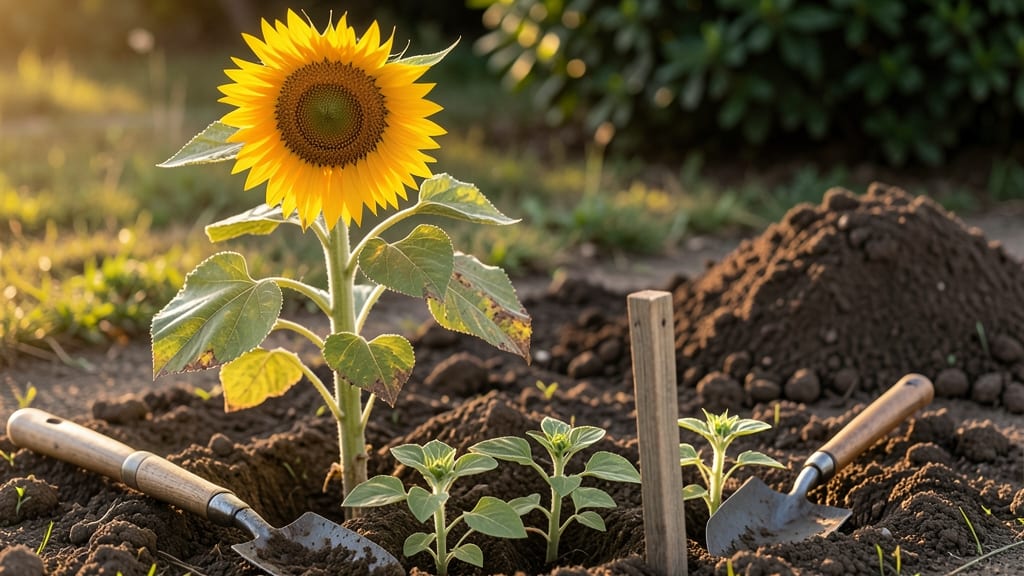
Planting sunflowers in fall is totally doable—if you pick the right varieties, time it just right, and know your zone’s frost dates.
Picture this: a late-Season 🌻 standing tall in your garden, its golden petals catching the crisp autumn light. It’s not just possible—it can be easier than spring planting, especially if you avoid common mistakes like waiting too late or choosing slow-maturing types.
Fall sunflowers thrive in zones 3 through 11, but your planting window narrows the farther north you live. In Zone 6a, for example, you’ve got just six weeks between September 1 and October 15 to get them in the ground before frost hits.
Below, I’ll walk you through the best fall varieties, how to time your planting for maximum growth, and the simple adjustments that turn a risky gamble into a reliable harvest—even in cooler weather.
Best fall planting zones for sunflowers: when to start by region
Yes, you can plant sunflowers in fall, but the timing depends on your USDA hardiness zone and your first frost date. Fall planting works best in zones where sunflowers can mature before winter arrives.
The key is choosing fast-maturing varieties and calculating your last planting window based on local frost averages.
Sunflowers thrive in full sun (6-8+ hours daily) and need 50-60 days to reach maturity for seed production. In cooler zones, opt for early varieties like 'Autumn Beauty' or 'Teddy Bear,' which mature in 50-55 days.
Southern zones can handle slightly later varieties like 'Moulin Rouge' (60-65 days) if planted early enough.
To determine your last planting date, subtract 50-60 days from your average first frost date. For example, if frost hits October 30, your last planting window is September 10-20. Use your local USDA zone map to find precise timing for your area.
Here’s a quick guide to fall planting windows by zone, including frost risk factors and variety recommendations:
| USDA Zone | Last Planting Window | Variety Recommendation | Days to Maturity | Frost Risk |
|---|---|---|---|---|
| 3-5 | Late July - Early August | 'Autumn Beauty' | 50-55 days | High (early frost) |
| 6-7 | Late August - Mid-September | 'Teddy Bear' | 50-55 days | Moderate |
| 8-9 | Mid-September - Early October | 'Moulin Rouge' | 60-65 days | Low |
| 10-11 | Late September - Mid-November | 'Russian Giant' | 65-70 days | Minimal |
In zones 3-5, frost can arrive as early as September, so plant early-maturing varieties by late July to avoid winter kill. Use row covers or greenhouses to extend the season if needed.
In zones 6-7, you have more flexibility, with mid-September being a safe cutoff for most varieties.
For zones 8-11, fall planting is ideal because cooler temperatures reduce pest pressure and longer daylight in early fall supports growth. Plant Russian Giant or Moulin Rouge by late September for a winter harvest before frost. Southern gardeners can even plant into November in mild climates.
Always check your local frost dates—they can vary by 1-2 weeks from USDA averages. Use a frost calendar or ask your local cooperative extension office for precise data. If you’re unsure, err on the side of earlier planting to ensure maturity before frost.
Pro tip: Start seeds indoors 2-3 weeks before your outdoor planting window to give sunflowers a head start. Use biodegradable pots to transplant seedlings without disturbing roots. This trick works especially well in cooler zones where the growing season is short.
Remember, fall-planted sunflowers often produce smaller flowers than spring plantings, but they’re still hardy and pest-resistant. Choose dwarf varieties like 'Sunspot' if space is limited, or let tall varieties like 'Russian Giant' thrive in open fields for a dramatic late-season display.
With the right timing and variety, fall sunflowers can be just as rewarding as spring plantings—plus, they add winter interest to your garden with their dried seed heads. Happy planting! 🌻
How to successfully grow sunflowers in fall: pro tips for late-season success
Fall planting can be a game-changer for sunflowers, especially if you're in warmer climates or want to extend your growing season. The key is choosing the right fast-maturing varieties and adjusting your care routine to account for cooler temperatures and shorter days.
With the right approach, you can still enjoy those cheerful sunflower blooms well into autumn.
One of the biggest challenges with fall planting is the reduced daylight hours, which can slow down growth. However, sunflowers are resilient and can still thrive if you give them the right conditions.
Start by selecting early-maturing varieties like 'Autumn Beauty' or 'Moulin Rouge,' which can reach maturity in as few as 50-60 days. These varieties are perfect for fall because they won’t need as much time to bloom before the first frost hits.
- ✅ Soil Prep: Test your soil’s pH (ideal: 6.0-7.0) and amend with compost to improve drainage. Sunflowers hate soggy roots!
- 💧 Watering Schedule: Water deeply 2-3 times per week in fall, focusing on the root zone. Reduce frequency as temps drop below 50°F.
- ☀️ Sunlight Optimization: Ensure 6+ hours of sunlight daily. Use reflective mulch or mirrors to maximize light exposure in shady spots.
- ⏰ Timing: Plant 8-10 weeks before your first frost date. In Zone 7, this means late August to early September.
- 🌱 Variety Selection: Choose dwarf or semi-dwarf varieties (e.g., 'Teddy Bear') for fall—they mature faster and handle cooler temps better.
- 🪴 Support Structures: Use stakes or cages for taller varieties to prevent wind damage from fall storms.
- 🌡️ Frost Protection: Cover young plants with row covers if a light frost is forecasted (they can tolerate 28°F briefly).
When it comes to soil preparation, fall-planted sunflowers benefit from a nutrient boost, but avoid over-fertilizing. A light application of balanced fertilizer (5-10-10) at planting time will give them a head start. Mix in 2-3 inches of compost to improve soil structure and moisture retention.
Since fall soil can dry out faster than spring, mulch around the base of your plants with straw or shredded leaves to retain moisture and insulate roots.
Watering is critical in fall, but your approach needs to shift as temperatures drop. In the early stages, water deeply 2-3 times per week to encourage strong root development.
As the weather cools, reduce frequency to once a week or less, focusing on morning watering to prevent fungal diseases like powdery mildew. Always water at the base of the plant and avoid wetting the foliage to keep your sunflowers healthy.
Don’t overlook the importance of sunlight optimization in fall. Shorter days mean less sunlight, which can stunt growth. If your garden has areas with partial shade, consider using reflective mulch or even strategically placed mirrors to bounce light onto your sunflowers.
This trick can make a noticeable difference in their growth rate and flower production. For containers, move pots to the sunniest spot in your yard as the days grow shorter.
Finally, keep an eye on the weather forecast and be prepared to act quickly. If a hard frost is predicted before your sunflowers mature, cover them with frost cloth or even old blankets. Most sunflowers can handle a light frost without issue, but prolonged cold will damage the plants.
Harvest any mature seeds before the first frost to save them for next year’s garden. With these pro tips, you’ll be well on your way to a successful fall sunflower harvest!