
Landscaping
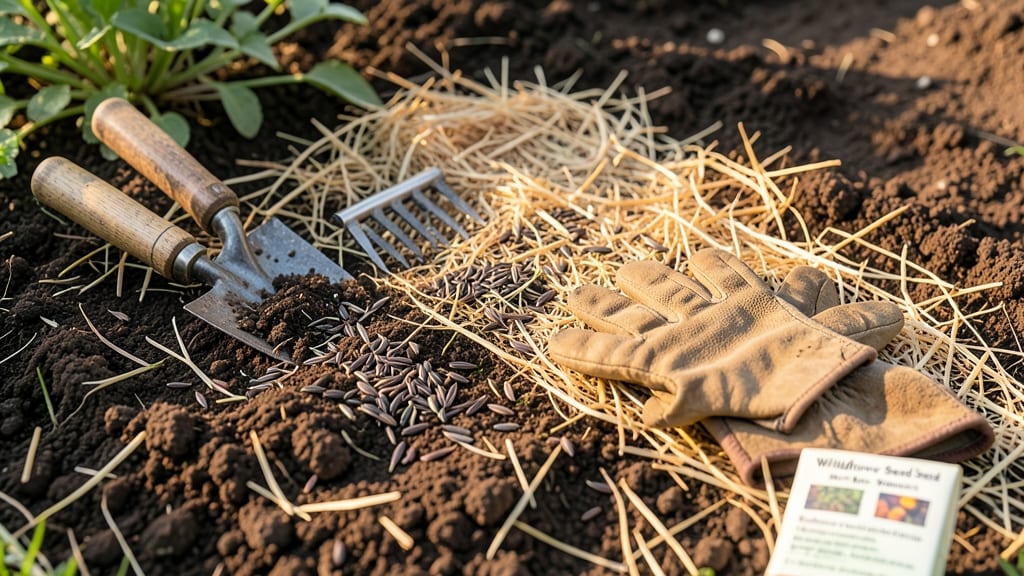
You can put mulch over wildflower seeds—but only if you do it the right way, with the right materials and timing.
Planting wildflower seeds is easy, but getting them to sprout requires the right balance—especially when it comes to mulch. Too much can suffocate delicate seedlings, while too little leaves them vulnerable to drying out. The key? Lightweight mulching strategies that protect without smothering.
Wildflowers 🌼 thrive with moisture retention and weed suppression, but their seeds need sunlight to germinate. That means mulch must be thin enough to allow light through while still keeping the soil cool and hydrated. Organic options like straw or shredded leaves work best, applied only after seeds have sprouted.
In this guide, I’ll walk you through the best mulch choices, step-by-step application tips, and common mistakes to avoid—so your wildflowers get the perfect start without smothering in the process.
Best lightweight mulch options for wildflower seed germination
When planting wildflower seeds, the right mulch type can make all the difference. Too much mulch blocks sunlight and suffocates seeds, while too little leaves them exposed to drying out.
The solution? Lightweight mulches that protect seeds without smothering them. These options allow sunlight to reach seedlings while retaining moisture and suppressing weeds.
Wildflower seeds need consistent moisture and direct sunlight to germinate. Traditional mulches like thick bark or wood chips can block light and trap too much moisture, leading to rot.
Instead, opt for thin, airy materials that mimic natural soil conditions. The best choices are organic materials that break down quickly or inorganic options that allow light penetration.
Here’s how to choose: Look for mulches that are less than ¼ inch thick when applied. Organic options like straw or shredded leaves work well, while inorganic materials like seed-starting mats or lightweight fabric offer even better airflow. Each has unique benefits, from moisture retention to weed suppression.
One of the most popular choices is straw mulch. It’s lightweight, allows sunlight to reach seeds, and retains moisture without compacting the soil. Straw also breaks down quickly, enriching the soil with organic matter as it decomposes.
For a more natural look, shredded leaves work well, especially in fall plantings. They decompose slowly, providing long-term moisture retention.
Seed-starting mats are another excellent option, particularly for indoor or early outdoor plantings. These mats are made from breathable fabric that allows light and air to reach seeds while keeping the soil moist. They’re ideal for high-value wildflower seeds or areas prone to drying out. However, they require more maintenance to keep weeds at bay.
If you’re planting on a large scale, consider hairpin bedding or pine needles. Hairpin bedding is a thin, woven material that mimics natural soil conditions, while pine needles add acidity to the soil and slow weed growth.
Both are lightweight and allow seeds to access the sunlight they need to germinate.
When applying mulch, timing is everything. Wait until seeds sprout before adding any mulch layer. This ensures seedlings aren’t smothered during their critical early growth stage. Once sprouts appear, apply your chosen mulch in a thin, even layer—never more than ¼ inch thick.
This balance protects seeds while allowing them to thrive.
Lightweight mulches also help regulate soil temperature, keeping it cool in summer and insulating it in winter. This is especially beneficial for wildflowers, which often struggle with extreme temperature fluctuations.
By choosing the right mulch, you’re not just protecting your seeds—you’re creating an optimal environment for them to grow into vibrant, healthy plants.
For best results, combine mulching with regular watering and weed control. Lightweight mulches reduce the need for frequent watering, but they won’t eliminate it entirely.
Aim to keep the soil consistently moist during the germination period, and remove any weeds that pop up before they compete with your wildflowers for nutrients.
Experiment with different mulches to see what works best in your climate. In dry regions, straw or seed-starting mats may be ideal, while humid areas might benefit from shredded leaves or pine needles.
The key is to observe your seeds and adjust as needed—your wildflowers will thank you with a burst of color and life!
Step-by-step guide: how to apply mulch without killing wildflower seeds
Applying mulch to wildflower seeds can feel like walking a tightrope—too much blocks sunlight and suffocates tiny sprouts, while too little leaves them exposed to drying winds. The secret lies in timing and technique.
I’ve found that waiting until seeds germinate and using lightweight materials makes all the difference. Let’s break down the exact steps to protect your wildflowers without smothering them.
First, understand that wildflower seeds need light to germinate. Unlike established plants, they can’t push through thick layers of mulch. My rule of thumb? Wait 7-10 days after planting to check for sprouts before adding any mulch.
This gives seeds the best chance to break through the soil surface without obstruction.
Step-by-Step Mulching Guide for Wildflower Seeds
- 1 Wait for germination: Monitor seeds for 7-10 days. Only mulch after you see green sprouts emerging from the soil.
- 2 Choose lightweight mulch: Use straw, shredded leaves, or seed-starting mats. Avoid thick layers of wood chips or heavy compost.
- 3 Apply thin layers: Spread mulch no thicker than ¼ inch over the soil. Focus on areas between seedlings to allow light to reach them.
- 4 Create airflow channels: Use a rake to gently create small gaps in the mulch around each sprout. This prevents moisture buildup and allows air circulation.
- 5 Monitor and adjust: Check mulch weekly. If it compacts or blocks light, fluff it up or remove excess to keep seedlings healthy.
One of my biggest lessons came from a failed wildflower patch where I mulched too early with thick straw. The seeds never sprouted because they couldn’t reach the light. Now, I always prioritize visibility—even a ¼-inch layer of mulch can make a difference if applied correctly.
For dry climates, consider using a lightweight seed-starting mat instead of traditional mulch. These allow moisture to penetrate while keeping soil temperatures stable. I’ve had great success with them in USDA Zone 6a during spring plantings.
Remember, mulch isn’t just about protecting seeds—it’s about balancing protection and exposure. With these steps, your wildflowers will thrive without the risk of smothering. Happy gardening!