
Blooming
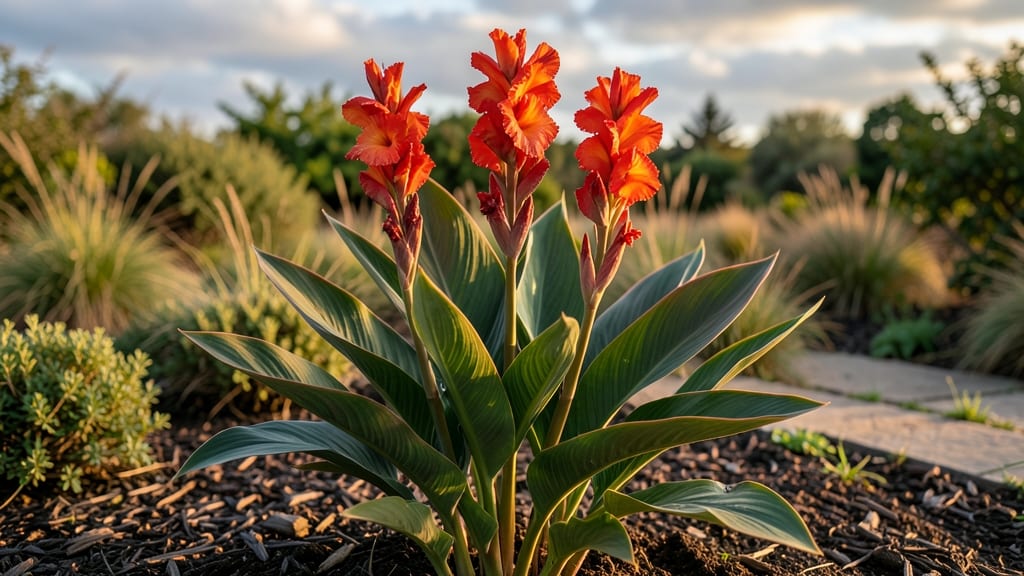
Your canna flowering time will vary depending on your USDA zone, but pinpointing the exact window can help you plan for a summer of bold, tropical blooms 🌺.
Wondering when your canna lilies will burst into vibrant blooms? The answer depends on your USDA zone—and knowing this can mean the difference between a summer full of color or waiting months longer than expected.
In Zone 6a, where spring arrives late, cannas typically bloom between July and September, while gardeners in warmer zones like Florida may see flowers as early as June.
The key? Planting after the last frost in April or May and giving them full sun to trigger those showy spikes.
Below, I’ll break down the ideal flowering months for your zone, plus 5 pro tips to encourage earlier blooms—so you can enjoy your cannas at their peak.
How USDA zones affect canna flowering time (with exact months)
If you're eager to see your canna lilies explode into bold colors, your USDA zone is the biggest factor in predicting their flowering timeline. These tropical beauties thrive in warmth, but their dormancy needs vary dramatically from zone 5 to 11.
In cooler zones, cannas may take 60-90 days longer to bloom compared to tropical climates. Understanding these differences helps you plan for earlier blooms or adjust expectations for late-season gardens.
Canna lilies are heat-loving perennials that need consistent temperatures above 60°F to trigger flowering. In zones 9-11, they often bloom continuously from June through October, while gardeners in zones 5-7 typically see a 4-6 week flowering window between July and September.
The key difference? Winter dormancy in cooler zones forces cannas to "reset" each year, delaying their first blooms.
Here’s how your zone impacts canna flowering time, with exact months and real-world examples from gardeners across the U.S.:
| USDA Zone | First Blooms | Peak Bloom | Last Blooms | Dormancy Notes |
|---|---|---|---|---|
| 5-6 | Late July | August | Early September | Dig rhizomes before frost; replant next spring |
| 7-8 | Mid-July | August-September | October | May need winter mulch; some survive outdoors |
| 9 | June | July-October | November | Perennial; minimal dormancy |
| 10-11 | May-June | June-November | December | Bloom year-round in ideal conditions |
*Timelines assume 6+ hours of sun and well-draining soil. Adjust for partial shade.
In zones 5-6, cannas are often treated as annuals because cold winters kill the rhizomes. Gardeners in Michigan and upstate New York report their 'Pactolus' variety blooms by late July if planted early, but expect a shorter display due to frost risks.
One trick? Start rhizomes indoors in May for a 2-week head start on growth.
Gardeners in zone 7, like those in North Carolina, enjoy a longer season. My neighbor in Raleigh grows 'Durban' cannas that bloom from mid-July through October, thanks to milder winters.
The secret? A thick layer of mulch (6+ inches) protects rhizomes, allowing them to survive 20°F dips without dying. Even in zone 7b, cannas may need winter protection in exposed areas.
Zones 9-11 offer the longest canna blooming windows. In Florida and Southern California, cannas bloom continuously from May to November with minimal care. One gardener in Miami shared that her 'Black Knight' cannas produce new blooms every 2-3 weeks with regular feeding.
The key? Consistent moisture and fertilizer every 4-6 weeks to sustain their tropical habits.
Heat is the primary trigger for canna blooming. In zone 10, temperatures rarely drop below 50°F, so cannas bloom earlier and longer than in cooler zones. However, even here, summer heatwaves above 100°F can cause bud drop.
Providing afternoon shade during extreme heat preserves blooms. In zone 11, cannas may even bloom in winter if conditions are ideal.
If you're in a transition zone (like zone 8a), your cannas may behave like a mix of annuals and perennials. In Georgia and Virginia, gardeners often see blooms from June to October, but hard freezes can damage rhizomes.
To extend the season, plant in containers and move them indoors before frost. This lets you enjoy cannas for 2-3 extra weeks of color.
5 Pro tips to speed up canna flowering in any zone
If your canna lilies are taking forever to bloom, don't worry—you're not alone. These tropical beauties love warmth but need the right conditions to show off their vibrant flowers. The good news?
With a few simple tweaks, you can encourage earlier blooms and enjoy that summer color show weeks sooner. Let's dive into my top strategies that work in any USDA zone.
First, let's address the biggest misconception: cannas need heat, but they also need consistent care. Many gardeners rush to plant their rhizomes too early, only to watch their plants struggle in cooler soil.
The key is patience combined with proper preparation. Whether you're in Zone 5 or Zone 10, these tips will help your cannas reach their full flowering potential faster.
-
1. Pre-Warm Your Soil
Soak rhizomes in warm water (70°F+) for 24 hours before planting to jumpstart growth. -
2. Plant at the Right Depth
Bury rhizomes 2-4 inches deep—shallower planting = faster sprouting. -
3. Feed with Phosphorus
Use a 10-20-10 fertilizer (high phosphorus) when buds form to boost blooms. -
4. Water Deeply at Dawn
Soak roots 1-2 inches deep daily in summer to prevent stress. -
5. Deadhead Regularly
Snip spent blooms to redirect energy to new flowers all season.
Let's start with soil preparation, the foundation of fast canna growth. Many gardeners overlook this step, but warm, nutrient-rich soil is critical. I recommend mixing compost or well-rotted manure into your planting area before setting those rhizomes.
This not only feeds your plants but also helps retain moisture—cannas love to stay hydrated but hate soggy roots. If your soil drains poorly, consider amending it with sand or perlite to improve aeration.
Once your soil is ready, timing your planting date correctly can shave weeks off your waiting game. In cooler zones (5-7), wait until after the last frost when soil temps hit 60°F+.
In warmer zones (8-11), you can plant as early as February, but protect young shoots from late frosts. Pro tip: Use black plastic mulch to warm the soil faster—this is a game-changer for northern gardeners!
Don't underestimate the power of fertilizer timing. While cannas aren't heavy feeders, they do respond beautifully to phosphorus-rich fertilizers when buds begin to form. I switch to a 10-20-10 formula at this stage to encourage more blooms.
Remember to water thoroughly after fertilizing to prevent root burn. And here's a secret: fish emulsion applied every 3 weeks during bloom time gives my cannas that extra oomph for longer-lasting flowers.
Finally, let's talk about troubleshooting slow bloomers. If your cannas are putting out lots of leaves but no flowers, they might be getting too much nitrogen. Switch to a low-nitrogen, high-phosphorus fertilizer and reduce feeding frequency. Also, check your sunlight exposure—cannas need 6+ hours of direct sun daily.
If they're in partial shade, move them or prune nearby trees to open up the canopy. With these adjustments, you'll see those showy blooms in no time!