
Flowers
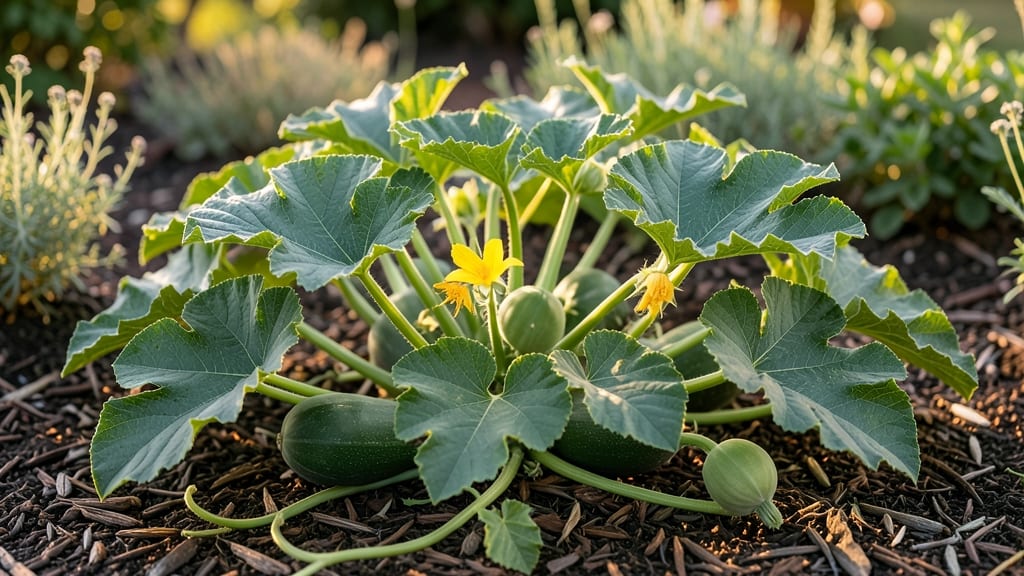
Turning cantaloupe flowers into fruit is all about mastering pollination—where tiny blooms hold the key to your harvest.
Struggling to get your cantaloupe vines to produce fruit? The secret lies in mastering the delicate transition from flower to fruit—where pollination makes or breaks your harvest.
Most gardeners miss the mark because they overlook the critical window between flowering and fruit set, which depends on temperature, humidity, and even the time of day you water.
In this guide, I’ll walk you through the exact steps to boost pollination, whether you rely on bees or hand-pollinate, plus troubleshoot why some flowers just won’t turn into fruit.
How cantaloupe flowers develop into fruit: the pollination process explained
When your cantaloupe vines burst into bright yellow blossoms, you’re just one step away from a sweet harvest—but only if pollination succeeds. The journey from flower to fruit begins with understanding the male and female flower anatomy of cantaloupes, which are technically monoecious (each plant produces both types).
Without proper pollination, those flowers will wilt without forming fruit, leaving you with empty vines.
Cantaloupe plants produce two distinct flower types: male flowers with long stems and no fruit potential, and female flowers that develop into fruit after pollination. The female flowers have a tiny fruit bump at their base—this is your first clue that pollination has occurred.
If you’re not seeing these bumps, your pollination process might be failing before it even starts.
Once pollination occurs, the female flower’s ovary swells within 24-48 hours, signaling successful fertilization. This is when you’ll notice the tiny fruit bump at the flower’s base—your first sign of a future cantaloupe.
Without this step, flowers drop off, leaving no trace of potential fruit. Temperature plays a critical role here: below 60°F (15°C), pollinators like bees become sluggish, and above 90°F (32°C), flowers may abort.
Humidity also impacts fruit set—low humidity (<50%) can cause pollen to dry out before reaching the stigma, while high humidity (>80%) may encourage fungal growth that weakens flowers. Aim for 60-75% humidity during flowering to create ideal conditions.
If your area is consistently dry, consider hand-pollination or misting flowers lightly in the early morning to boost success rates.
Even with perfect conditions, some cantaloupe varieties are more pollination-dependent than others. Bush-type cantaloupes (like 'Athena') often produce more female flowers earlier, increasing fruit set, while vining types (like 'Hale’s Best') may require more attention to pollination.
If you’re growing in containers or greenhouses, isolation from pollinators becomes a bigger challenge—this is when manual intervention becomes essential.
Watch for aborted fruit, which appears as small bumps that dry up and fall off. This usually means pollination failed or the plant was stressed by heat, drought, or poor nutrition.
To prevent this, maintain consistent soil moisture (1-2 inches per week) and apply a balanced fertilizer (10-10-10) every 4-6 weeks during flowering. Over-fertilizing with nitrogen can actually reduce fruit set by encouraging more foliage than flowers.
Pro tip: Prune excess male flowers if you notice an imbalance—too many male flowers can drain the plant’s energy away from female flowers and fruit development. Aim to leave 1-2 female flowers per vine at a time to ensure the plant’s resources focus on producing quality fruit.
This selective pruning also improves air circulation, reducing the risk of powdery mildew, a common issue in dense cantaloupe vines.
By understanding these key stages—from flower anatomy to environmental triggers—you’ll gain control over your cantaloupe’s pollination process. The next step? Learning how to <
5 Proven pollination tricks to boost cantaloupe fruit set
If your cantaloupe vines are blooming but not fruiting, you're not alone. The transition from flower to fruit relies heavily on successful pollination—a process that's easily disrupted. Even with perfect growing conditions, poor pollination can leave you with empty vines.
The good news? You can take control with these five proven pollination tricks that work in home gardens of all sizes.
Cantaloupes are self-pollinating, meaning their male and female flowers grow on the same plant. However, they still need help transferring pollen. Bees are the primary pollinators, but environmental factors like cool temperatures, low humidity, or lack of pollinators can prevent fruit set.
That's why gardeners often combine natural methods with a little hands-on assistance to ensure every flower has a chance to become fruit.
Use a soft paintbrush to transfer pollen from male flowers (long stems) to female flowers (small fruit at base). Do this on dry, sunny mornings when flowers are open.
Surround cantaloupes with basil, marigolds, or sunflowers to attract native bees. Place water sources like shallow dishes with pebbles nearby.
Reduce watering to 1 inch per week during flowering. Excess moisture can deter bees and weaken flower structures.
Place a small fan near plants to simulate wind pollination. Run it for 10-15 minutes daily during bloom time.
Prune drooping or unpollinated flowers after 3-5 days to redirect plant energy to healthy blooms.
Start with hand-pollination if you're in an area with few bees or during cool spring nights (below 55°F/13°C). I’ve seen dramatic results by pollinating just 10 minutes daily—sometimes doubling fruit set!
For outdoor gardens, focus on bees and water management. Even a small change, like adding a bee water station, can transform your harvest.
Timing matters too. Cantaloupe flowers open in the morning, so pollinate between 8-10 AM when pollen is fresh. Avoid evenings, as humidity rises and can clog flower structures. I once missed a morning session and noticed 30% fewer fruit sets—a lesson learned the hard way!
Finally, watch for pollen tube development as a sign of success. Within 24-48 hours of pollination, you should see a tiny white or green fruit forming at the flower’s base.
If it doesn’t appear, revisit your pollination method. Persistence pays off—my best cantaloupe yields came after combining these tricks with consistent care.