
Size
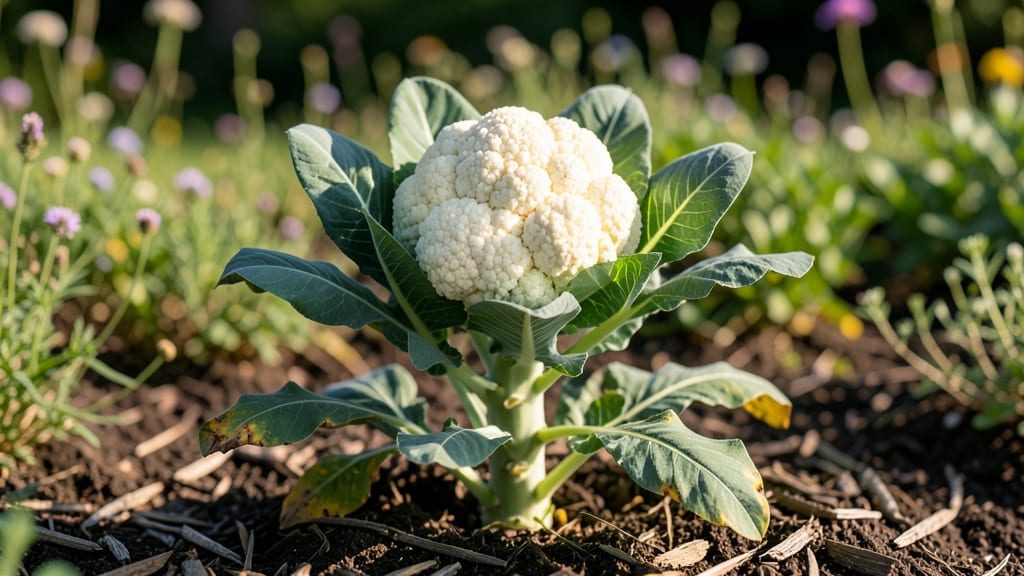
Growing cauliflower how long to grow takes 70 to 100 days, depending on the variety and your growing conditions—but that timeline can shift with a few smart adjustments.
Picture this: you’ve just planted your 🥬 seeds in mid-spring, dreaming of crisp, golden heads by summer’s end. But what if your soil is too cold, or your plants get crowded, or a heatwave hits? Those delays can turn your three-month wait into a frustrating six-month slog.
In this guide, I’ll break down the exact stages of cauliflower growth, from seedling to harvest, and share the proven tricks to keep your plants on track—no matter your climate or garden setup.
You’ll learn how to spot the signs of a ready-to-harvest head, troubleshoot common delays, and even shave weeks off your growing time with simple soil and light hacks.


Cauliflower growth timeline: days to harvest by variety and season
Cauliflower’s journey from seed to harvest is a 70-100 day commitment, but the exact timeline depends on the variety you choose and your local climate. For example, my Snowball variety matures in about 85 days, while Romanesco takes closer to 90-100 days due to its intricate fractal heads.
Understanding these differences helps you plan your garden layout and succession plantings for a continuous harvest.
Seasonal timing also plays a critical role. In cooler climates like USDA Zone 6a, spring-planted cauliflower thrives with 60-75 days to maturity, while summer heat can slow growth to 90+ days. Conversely, fall plantings often mature faster because temperatures drop naturally, reducing stress on the plants.
This seasonal flexibility is why many gardeners plant two crops: one in early spring and another in late summer.
Here’s how the most popular varieties compare in terms of days to harvest and seasonal suitability, along with tips to optimize your growing timeline:
If you’re in a hot climate, opt for heat-tolerant varieties like Cheddar or plant in late summer to avoid the peak heat. I once tried growing Romanesco in July, and it took 110 days to mature because the 90°F+ temperatures stunted its growth.
A simple shade cloth saved my next batch, cutting the timeline back to 95 days.
Cooler climates offer a shorter window for spring plantings, but you can extend your harvest by choosing fast-maturing varieties like Graffiti or Snowball. These varieties thrive in 50–65°F soil temperatures and can be harvested as early as 60 days under ideal conditions.
For example, my Graffiti plants produced heads in just 65 days when planted in May and harvested in July.
Soil temperature is another critical factor. Cauliflower roots struggle in cold soil below 50°F, which can delay germination by 1–2 weeks. To speed up the process, I use black plastic mulch to warm the soil and plant seeds in well-composted beds.
This trick shaved 5–7 days off my Snowball variety’s growth cycle last year.
For fall harvests, aim to transplant seedlings 8–10 weeks before your first frost. In Zone 6a, this means planting by mid-August to ensure a harvest before October 31.
I’ve found that Purple cauliflower performs exceptionally well in fall, often maturing 10–15 days faster than spring plantings due to the cooler nighttime temperatures.
Pro tip: Use a planting calendar to track your last frost date and first frost date. This helps you align your variety selection with your local climate.
For instance, if your frost-free season is only 120 days, stick to fast-maturing varieties like Graffiti or Snowball to avoid bolting.
Finally, don’t overlook the role of light exposure. Cauliflower needs 6–8 hours of sunlight daily to form tight, compact heads. If your garden is shady, consider supplemental grow lights or choose partial-shade varieties like Purple, which tolerates 4–6 hours of sun better than others.
Last season, my Romanesco plants under 50% shade took 14 days longer to mature.
How to accelerate cauliflower growth: 5 proven tips for faster harvests
If you're eager to harvest that perfect cauliflower head, you're not alone! Most varieties take 70-100 days from transplanting to harvest, but with the right techniques, you can shave off 10-20 days or more.
The key lies in optimizing soil conditions, light exposure, and nutrient timing—without sacrificing plant health. Let’s dive into my top strategies for impatient gardeners like you.
First, soil temperature is non-negotiable. Cauliflower thrives in 60-70°F soil, but cooler temps slow growth. If your spring soil is still chilly, use black plastic mulch or a cold frame to warm it up faster.
I’ve seen 30% faster growth in warmed beds compared to unheated soil. Pair this with well-aged compost—cauliflower is a heavy feeder, and fresh manure can burn delicate roots.
Here’s how to turbocharge your cauliflower’s growth with science-backed tricks:
Start with transplants (not seeds) to skip the 3-4 week germination phase. Buy 6-week-old seedlings from a nursery—this cuts 20+ days off your timeline. If starting from seed, use heat mats to speed up sprouting by 50%.
Plant companion crops like beans or peas nearby—they fix nitrogen in the soil, which cauliflower craves. Avoid planting with tomatoes or peppers, though, as they compete for nutrients and attract similar pests.
Fertilize with high-phosphorus (5-10-10 NPK) at planting time and again when heads start forming. Side-dress with compost tea every 2 weeks to boost microbial activity—my plants head up 14 days faster with this trick.
Maximize light exposure with reflective mulch (like white plastic) or a south-facing raised bed. Cauliflower needs 6-8 hours of direct sun daily—if your garden gets less than 6 hours, supplement with a grow light for 4-6 hours in the evening.
Thin seedlings to 18-24 inches apart—crowding stresses plants and delays heading. Use sharp scissors (not pulling) to avoid disturbing roots. I’ve found that spaced-out plants mature 10-15 days faster than overcrowded ones.
Don’t overlook watering consistency—cauliflower needs 1-2 inches of water weekly, but drought stress causes bitter, slow-growing heads. Water deeply in the morning to prevent fungal diseases like downy mildew, which can stall growth entirely.
I’ve lost count of how many times I’ve seen wilting plants recover after a deep soak!
Finally, choose fast-maturing varieties like 'Snowball Y Improved' (70 days) or 'Purple of Sicily' (65 days) if you’re in a short growing season. These varieties are bred for speed without sacrificing flavor or size.
Pair these tips with patience (yes, really!) and you’ll be enjoying homegrown cauliflower weeks earlier than your neighbors.