
Flowers
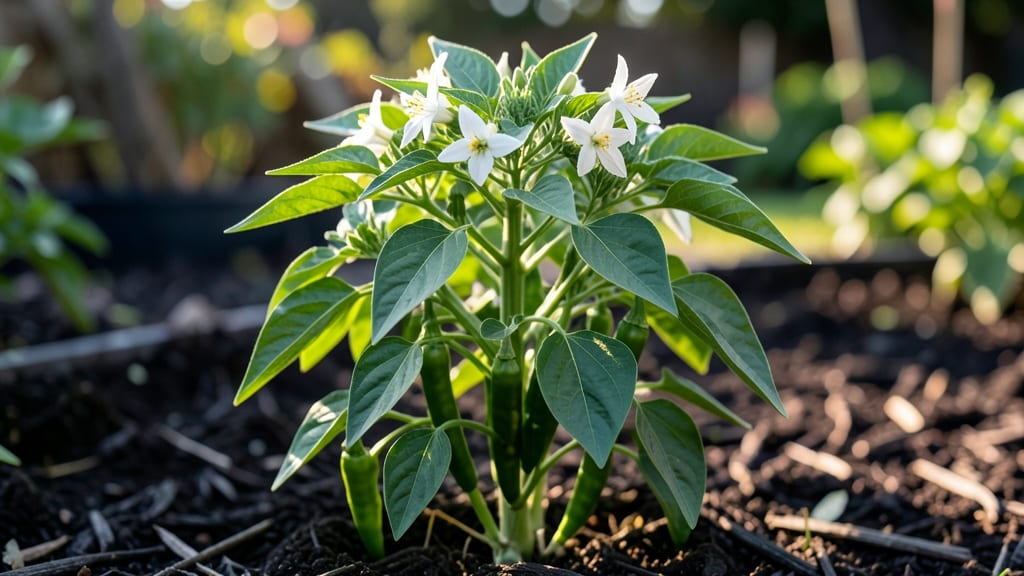
The cayenne pepper flower 🌶️ isn’t just a fleeting bloom—it’s the gateway to a bountiful harvest of fiery peppers, and coaxing your plant to produce them takes the right timing and care.
Did you know these delicate white blooms are edible and packed with a subtle heat? Many gardeners overlook them, but they’re also a magnet for pollinators, turning your cayenne patch into a thriving ecosystem. The trick is getting your plant to focus on flowers instead of just leaves.
From soil prep to sunlight tricks, I’ll walk you through how to turn your cayenne plants into flowering powerhouses—whether you’re in Zone 6a or beyond. No more wilting blooms or empty stems!
You’ll learn when to expect those first flowers, how to hand-pollinate for extra peppers, and even how to use the blooms in your kitchen. Let’s get your cayenne plant blooming like never before.
When and how to plant cayenne pepper flowers for maximum blooms
Cayenne pepper plants are more than just spicy produce—they produce delicate, edible white flowers that attract pollinators and add visual charm to your garden. To ensure your cayenne plants thrive and produce abundant blooms, timing and technique are everything.
Planting at the right time and providing ideal growing conditions will set the stage for a bountiful harvest of both flowers and peppers.
One of the biggest mistakes gardeners make is planting too early, when soil temperatures are still cool. Cayenne peppers are heat-loving plants that need warm soil to germinate properly. If you rush the process, you’ll likely face poor germination or stunted growth.
Instead, wait until the soil reaches at least 65°F and all frost danger has passed in your area.
- 1 Choose the Right Location: Select a spot with full sun exposure (6-8+ hours daily). Cayenne peppers thrive in warm, sunny conditions, which is critical for both flower production and fruit development.
- 2 Prepare Well-Draining Soil: Cayenne peppers hate soggy roots. Amend your soil with compost or aged manure to improve drainage and add nutrients. Aim for a pH between 6.0 and 7.0, which is ideal for these plants.
- 3 Plant Seeds Indoors (Optional): For a head start, sow seeds indoors 8-10 weeks before the last frost. Use seed-starting mix and keep soil consistently moist. Transplant seedlings outdoors after hardening off for 7-10 days.
- 4 Direct Sow or Transplant: Plant seeds 1/4 inch deep in warm soil, spacing them 12-18 inches apart. If transplanting seedlings, bury them slightly deeper than their original containers to support stem strength.
- 5 Mulch for Moisture Retention: Apply a 2-3 inch layer of mulch around plants to retain soil moisture and regulate temperature. Organic mulch, like straw or shredded leaves, also suppresses weeds and adds nutrients as it breaks down.
Spacing is another critical factor for maximizing blooms. Crowded plants compete for sunlight and nutrients, which can reduce flower production. Give each cayenne plant at least 18 inches of space between them and 24 inches between rows.
This spacing allows for better airflow, reducing the risk of fungal diseases that can stress plants and limit flowering.
If you notice yellowing leaves in the early stages, it’s often a sign of overwatering or poor drainage. Cayenne peppers prefer their soil to dry out slightly between waterings. Stick your finger 1-2 inches into the soil—if it’s damp, wait before watering again.
Always water at the base of the plant to avoid wetting the leaves, which can promote disease.
For gardeners in cooler climates, consider starting seeds indoors under grow lights. This gives you a 4-6 week head start and ensures your plants are large enough to handle transplanting without shock.
Just be sure to harden off seedlings gradually by exposing them to outdoor conditions for a few hours each day before the final move.
One of the most rewarding aspects of growing cayenne peppers is watching the transition from flower to fruit. The delicate white blooms will eventually give way to the fiery peppers you know and love. To encourage more blooms, pinch off any early flowers if your plant looks stressed.
This redirects energy to root and stem growth, leading to a stronger plant that produces even more flowers later in the season.
Finally, keep an eye out for common pests like aphids or spider mites, which can suck the life out of your plants and stunt flower production.
A strong spray of water or a homemade solution of soapy water (1 tsp mild soap per quart of water) can often do the trick. Regular monitoring ensures your cayenne plants stay healthy and continue producing those stunning, edible blooms.
With the right timing, soil, and care, your cayenne pepper plants will reward you with an abundance of flowers—and eventually, a harvest of spicy peppers to enjoy. Happy gardening! 🌱🌿
Caring for cayenne pepper flowers: pruning, fertilizing, and pest control
Once your cayenne pepper plants start blooming, maintaining those delicate white flowers is key to a bountiful harvest. The right care ensures continuous blooms and protects both flowers and developing peppers from pests.
Let’s dive into the essentials: pruning techniques, organic fertilizing, and natural pest control—all tailored to keep your cayenne plants thriving.
Pruning isn’t just about shaping your plant—it’s about encouraging more flower production. By removing spent blooms and excess foliage, you redirect the plant’s energy toward new growth and fruit development.
This simple step can double your harvest yield while keeping your cayenne plant healthy and compact. Start by snipping off any yellowing leaves or damaged stems to prevent disease.
Pruning Cayenne Pepper Flowers
| Pros | Cons |
|---|---|
| Encourages more flowers and fruit production | Over-pruning can stress plants if done too aggressively |
| Improves air circulation, reducing fungal diseases | Requires regular maintenance to stay on top of growth |
| Keeps plants compact and manageable | Incorrect cuts can damage stems or remove flower buds |
Fertilizing Cayenne Pepper Plants
| Pros | Cons |
|---|---|
| Boosts flowering and fruiting with balanced nutrients | Over-fertilizing can burn roots or cause excessive foliage |
| Supports strong plant health and disease resistance | Requires consistent scheduling to avoid nutrient imbalances |
| Organic options like compost tea improve soil health | Some fertilizers may attract pests like aphids |
Natural Pest Control
| Pros | Cons |
|---|---|
| Neem oil and insecticidal soap are safe for edible plants | Some remedies require repeated applications for effectiveness |
| Prevents damage to flowers and peppers without chemicals | Strong solutions can harm beneficial insects like bees |
| Encourages natural predator balance in your garden | Some pests develop resistance over time |
For fertilizing, stick to a balanced organic fertilizer like a 10-10-10 mix, applied every 4-6 weeks during the growing season. Start with a light dose in early summer to encourage blooming, then switch to a phosphorus-heavy fertilizer (like 5-10-10) when flowers appear to support fruit development.
Always water your plants thoroughly after fertilizing to prevent root burn.
When it comes to pest control, cayenne pepper plants are surprisingly resilient, but they can still fall prey to aphids, spider mites, or hornworms.
My go-to remedy is a neem oil spray—just mix 1 tablespoon of neem oil with a teaspoon of mild soap in a quart of water, and spray it on the leaves and stems. This organic solution disrupts pests’ life cycles without harming your plants or pollinators like bees.
To keep your cayenne plants thriving, prune regularly—remove any dead or diseased leaves and pinch off spent flowers to encourage new blooms. This not only improves airflow but also redirects the plant’s energy toward producing more edible peppers and stunning flowers.
Pair this with consistent watering and fertilizing, and you’ll have a cayenne plant that’s a pollinator magnet and a spicy harvest waiting to happen.
Remember, the key to continuous flowering is consistency. Monitor your plants weekly for signs of stress, pests, or nutrient deficiencies, and adjust your care routine as needed.
With the right balance of pruning, fertilizing, and pest control, your cayenne pepper plant will reward you with an abundance of both beautiful flowers and fiery peppers all season long.