
Flowers
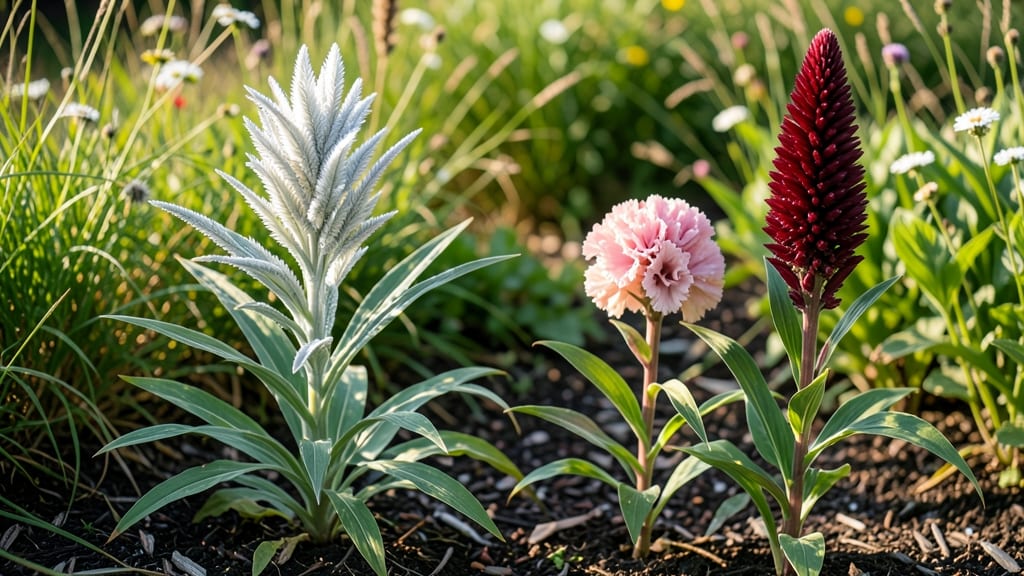
Your celosia flower height can transform from a 12-inch accent to a 4-foot statement depending on the variety you choose, and getting it right makes all the difference in your garden’s drama.
Picture this: a sunny summer border where your 🌸 celosia towers over annuals, or a cozy container where dwarf varieties spill like a colorful waterfall. The key? Knowing which type fits your space—and how to coax them to their full potential without overcrowding.
From plumed celosia that reaches 3 feet to cockscomb varieties staying under 18 inches, height isn’t just about looks—it’s about airflow, sunlight, and even pruning. I’ll walk you through the exact spacing, sunlight tricks, and pruning hacks to get the perfect height for your garden’s vision.
Ready to stop guessing and start designing? Let’s dive into the variety-specific heights, the mistakes that stunt growth, and how to turn your celosia into the star of your space—no matter how tall (or short) you want them to be.

Celosia flower height by variety: a complete growth comparison chart
Celosia flowers bring bold colors and striking textures to any garden, but their height varies dramatically between varieties. Understanding these differences helps you plan spacing, borders, and container arrangements for maximum impact.
From dwarf varieties perfect for edging to tall backdrops that steal the show, each type has its own growth habits and ideal planting scenarios.
The three main celosia categories—plumed, cockscomb, and velvet—each offer unique heights and growth patterns. Plumed celosia often reaches 2 to 3 feet tall, while cockscomb varieties can soar to 4 feet or more.
Velvet celosia typically stays compact at 1 to 2 feet, making it ideal for container gardens and mixed borders. Knowing these distinctions ensures your garden layout balances visual drama and practical spacing.
Here’s a detailed breakdown of celosia flower heights by variety, including mature sizes, spacing needs, and the best planting scenarios for each type:
When planning your garden, tall varieties like 'Chocolate Cherry' make stunning backdrop plants, while dwarf types like 'Tom Thumb' are perfect for container gardens or window boxes. For mixed borders, combine medium-height plumed celosia (like 'Impala') with velvet varieties to create layered visual interest.
Always leave extra space for cockscomb types, as they can outgrow expectations if crowded.
Another key factor is sunlight exposure. Celosia thrives in full sun (6+ hours daily), and taller varieties may need staking or support in windy areas. If you’re growing celosia in containers, choose dwarf or semi-dwarf varieties to avoid top-heavy plants that tip over.
For cut flower arrangements, taller plumed or cockscomb types provide dramatic vertical lines that elevate bouquets.
For season-long performance, deadhead spent blooms regularly to encourage continuous flowering. This practice also helps prevent legginess, which can make plants appear shorter than expected.
If you notice stunted growth, check for overcrowding, poor soil drainage, or insufficient sunlight—all common culprits that limit celosia’s potential height.
Pro tip: Pair tall celosia varieties with low-growing companions like marigolds or sweet alyssum to create height contrast and texture variety. This not only enhances your garden’s visual appeal but also supports pollinators by providing diverse landing zones.
With the right spacing and care, your celosia will reach its full dramatic potential, becoming a showstopper in any garden design.
Ready to experiment? Start with a mix of tall, medium, and dwarf celosia to test what works best in
How to choose celosia height for your garden design
Selecting the right celosia height transforms your garden from chaotic to curated. Dwarf varieties (8-12 inches) work beautifully in container gardens or as edging plants, while tall varieties (3-4 feet) create stunning backdrop plants for mixed borders.
The key is matching height to your garden's vertical layers—just like stacking books on a shelf, each celosia variety should have its own designated space.
For border gardens, I recommend mixing semi-dwarf celosia (1-2 feet) with shorter annuals like snapdragons or marigolds. This creates a gradual height transition that draws the eye naturally.
In container arrangements, tall celosia (3+ feet) should go in the center, surrounded by trailing petunias or lobelia to soften the structure. Always leave 12-18 inches of space around tall varieties to prevent overcrowding.
🌱 Celosia Height Guide by Garden Feature
- 🌿 Borders & Edging: Use 8-12 inch dwarf varieties (e.g., 'Impala' series) for clean, low lines with 12-inch spacing between plants.
- 🏡 Backdrops: Plant 3-4 foot tall varieties (e.g., 'Cockscomb Giant') 18-24 inches apart behind perennials or shrubs.
- 🪴 Containers: Pair 2-foot celosia (e.g., 'Velvet Fountain') with trailing plants in 12-inch pots for balanced height.
- 🌼 Mixed Beds: Layer 1-foot celosia (e.g., 'New Look') between 2-foot salvias and 3-foot dahlias for depth.
- 🌅 Sunken Areas: Tall celosia (3+ feet) thrive in low spots where they won't compete with taller perennials for sunlight.
Pro tip: Prune celosia stems by one-third when they reach half their mature height. This encourages bushier growth and prevents leggy stems that can flop in containers. I've found that deadheading spent blooms also redirects energy to new growth, keeping your celosia compact and vibrant longer.
For vertical gardens, train tall varieties along trellises or obelisks to save space while adding dramatic height.
When designing for seasonal interest, consider that celosia's dry flower heads remain decorative long after blooming. I often plant tall varieties near winter interest plants like ornamental grasses or evergreen shrubs to maintain structure through fall and winter.
For cut flower arrangements, taller celosia (3+ feet) pair beautifully with eucalyptus or statice for long-lasting bouquets.
One common mistake I see is overestimating mature height. Always check the variety's tag—what looks like a 2-foot plant at the nursery can easily reach 3 feet in your garden. For small spaces, opt for 'Tom Thumb' series (10-12 inches) or 'Chief' series (18 inches).
In large gardens, let 'Crimson King' cockscomb (3-4 feet) take center stage as a dramatic focal point.
Remember, celosia thrives in full sun, so place taller varieties where they won't shade sun-loving neighbors. In partial shade, expect slightly shorter growth—1-2 feet instead of 3-4 feet.
For urban gardens, I recommend container-growing with self-watering pots to maintain consistent moisture, which helps celosia reach its full height potential. With the right placement, your celosia will become the star of your vertical garden design! 🌻