
Flowers
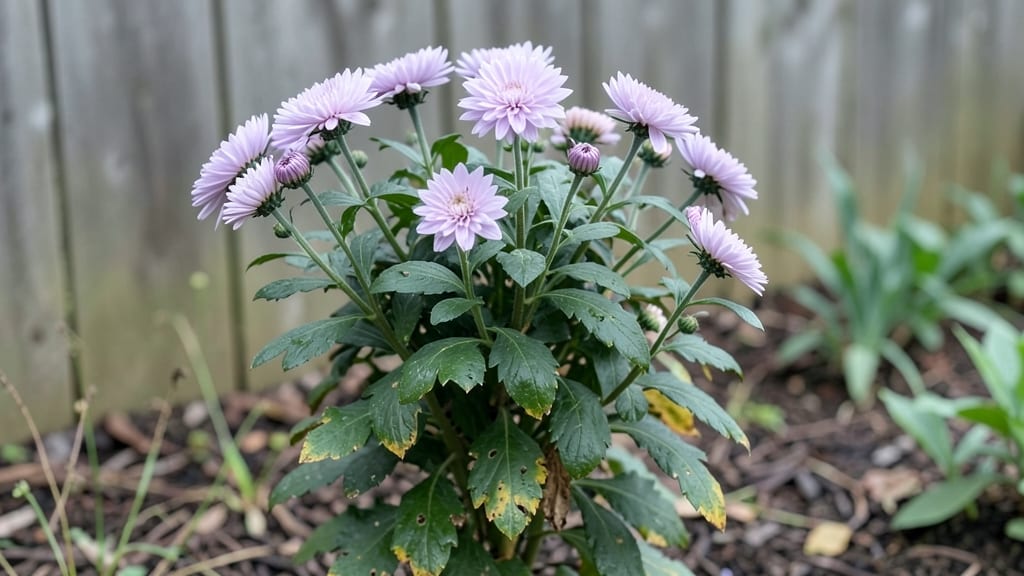
Your chrysanthemum flower colors can turn a simple garden into a seasonal masterpiece—whether you crave bold reds or delicate lavender.
Chrysanthemums aren’t just autumn’s golden queens—they’re a year-round canvas of color that can transform your garden into a living masterpiece. From fiery reds to ethereal whites, each hue tells a story of seasonality and symbolism, but choosing the right palette for your climate and style can be overwhelming.
Think about how a deep burgundy border could frame a cozy patio or how soft pink varieties could brighten a spring container. The key is pairing colors that complement your space while keeping maintenance simple—no need for a botanist’s degree, just smart choices.
Below, I’ll break down the best chrysanthemum flower colors for every season, how to mix them for harmony, and even their hidden meanings—so you can design with confidence.
Seasonal chrysanthemum color palettes: when to plant for year-long blooms
Chrysanthemums thrive as seasonal stars, but their blooms can stretch across four distinct palettes with the right planting strategy. Each season offers unique color opportunities, from spring’s soft pastels to fall’s fiery hues.
The key lies in selecting hardy varieties and timing plantings to match your USDA hardiness zone. For example, Zone 5-9 gardeners can enjoy year-round blooms by layering spring, summer, and fall varieties with winter-hardy types like ‘Mammoth’ or ‘Bonanza Series’.
To extend your chrysanthemum season, start by understanding color-driven planting windows. Spring bloomers (like ‘Spring Snow’) need early March-April starts, while fall favorites (such as ‘Red Diamond’) should go in July-August for September-November displays. Summer varieties like ‘Yellow Admiral’ bridge the gap with June-August blooms.
The trick? Overlap planting—space out varieties by 4-6 weeks to create a continuous color cascade.
🌼 Seasonal Chrysanthemum Color Palettes
For spring blooms, focus on pastel varieties that thrive in cooler temperatures. Plant ‘Spring Snow’ or ‘Lavender Lady’ in March for April-May displays. These types love morning sun and well-draining soil, making them perfect for border gardens or container arrangements.
In Zone 5, use row covers to protect young plants from late frosts—this extends their blooming window by 2-3 weeks. Pair them with early bulbs like daffodils for a contrasting color pop.
Summer chrysanthemums demand heat tolerance and consistent moisture. Varieties like ‘Red Diamond’ or ‘Sunburst’ flourish in full sun and Zone 6-11. Plant them in June for July-August blooms, then deadhead spent flowers to encourage reblooming.
These bold hues work beautifully in sunken beds or as cut flowers for vibrant bouquets. In drier climates, mulch heavily to retain soil moisture—this prevents bud drop during peak summer heat.
Fall is chrysanthemum season, but strategic planting can make it extraordinary. Start with ‘Bonanza Series’ in July for September-October color. These deep purples and burgundies pair perfectly with goldenrod or aster for autumnal drama. In Zone 4, opt for ‘Mammoth’—its large blooms withstand early frosts.
For extended fall color, plant ‘Purple Dome’ in August—it blooms 2-3 weeks later than traditional varieties, giving you extra weeks of vibrant displays.
Winter-hardy chrysanthemums are the secret to year-round interest. Types like ‘Silver Princess’ or ‘Blue Boy’ survive Zone 3-8 winters with minimal care. Plant them in September-October for November-December blooms, then prune back in early spring to encourage new growth.
These cool-toned varieties add elegance to winter gardens, especially when paired with evergreens like boxwood or holly. In snowy climates, use straw mulch to insulate roots and prevent freeze damage.
To create a year-long chrysanthemum palette, combine 3-4 varieties with overlapping bloom times. For example, plant ‘Spring Snow’ (April), ‘Yellow Admiral’ (July), ‘Bonanza Purple’ (September), and ‘Silver Princess’ (November). This strategic layering ensures continuous color from spring to winter.
Group plants by height—tall varieties (like ‘Mammoth’) at the back, medium types (such as ‘Bonanza’) in the middle, and dwarf varieties (like ‘Purple Dome’) in the front. Add ornamental grasses or shrubs for textural contrast.
Don’t forget container gardening—it’s perfect for small spaces or
Symbolism and garden design: how chrysanthemum colors influence mood and aesthetics
Chrysanthemums carry deep cultural meanings that can transform your garden into an emotional landscape. In Japanese culture, red chrysanthemums symbolize passion and love, while white varieties represent purity and longevity.
These symbolic hues aren't just decorative—they can set the tone for your outdoor space, evoking specific moods and themes through thoughtful placement and pairing.
Designers often use color psychology to create intentional garden experiences. A border of deep purple chrysanthemums can evoke sophistication, while bright yellow varieties bring warmth and cheerfulness. The key is understanding how each color interacts with its surroundings and the emotions you want to inspire in visitors or yourself.
- 1 Red chrysanthemums symbolize passion and celebration. Use them in romantic garden corners or near entryways to create welcoming energy. Pair with deep greens for contrast.
- 2 White chrysanthemums represent purity and peace. Ideal for meditation gardens or wedding ceremony areas. Combine with soft blues for a serene atmosphere.
- 3 Yellow chrysanthemums bring joy and energy. Perfect for sunny patios or children's play areas. Pair with warm oranges for a vibrant, uplifting effect.
- 4 Purple chrysanthemums convey wisdom and elegance. Use in formal garden layouts or near seating areas to encourage contemplation. Combine with silver foliage for a luxurious look.
For container gardens, mix chrysanthemum colors to create visual interest. A terracotta pot with red and white varieties can symbolize both passion and purity, while a hanging basket of yellow and purple blooms adds dynamic contrast. The key is balancing colors to avoid visual clutter while maintaining harmony.
In floral arrangements, chrysanthemums serve as powerful focal points. A deep burgundy centerpiece can evoke richness, while a pastel pink arrangement feels delicate and feminine. Experiment with odd-number groupings (like 3 or 5 stems) to create natural, balanced designs that draw the eye.
Don't forget about seasonal transitions. Plant bright autumn hues like orange and gold in early fall, then transition to cool winter tones like lavender and white as temperatures drop. This creates a dynamic seasonal display that keeps your garden feeling fresh year-round.
🌼