
Blooming
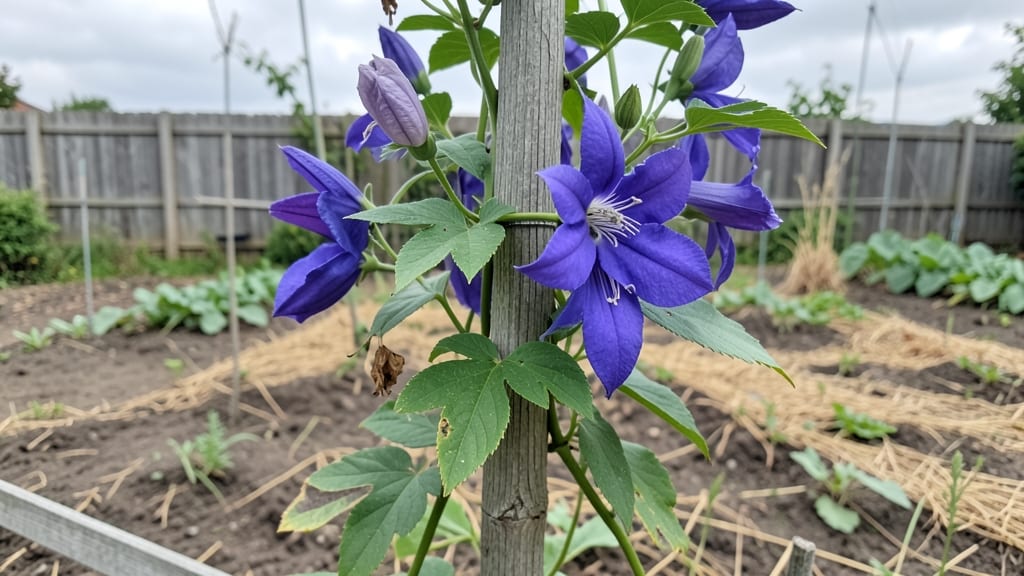
Clematis flowering time varies by variety and pruning group, typically blooming in spring (March–May) for Group 1, summer (June–August) for Group 2, and fall (September–November) for Group 3, with early or repeat blooms possible in some hybrids.
Understanding these bloom patterns helps gardeners plan their landscape design strategically. Group 1 varieties, like 'Jackmanii', rely on dormant buds that form the previous season, so they burst into color as soon as temperatures rise.
Meanwhile, Group 3 plants, such as 'Fascination', store energy in their roots and bloom later when cooler fall weather arrives. This natural timing means you can create a garden that stays vibrant from spring through autumn by mixing these types together.
What many gardeners don't realize is that some hybrids—like 'Niobe'—can produce multiple bloom cycles if pruned correctly. The key is timing: prune Group 2 varieties after their first flush to encourage a second round of flowers later in the season.
This flexibility lets you enjoy clematis blooms for months, not just weeks! ✨
💡 In This Article
- How Pruning Groups Affect Clematis Bloom Seasons
- Best Clematis Varieties for Year-Round Color
How pruning groups affect clematis bloom seasons
The science behind clematis bloom timing lies in their bud formation cycles, which are directly tied to pruning groups. Group 1 varieties develop buds on last year's wood during the previous growing season, so they bloom early in spring (March-May) when temperatures rise above 50°F.
These buds remain dormant through winter, waiting for warmth to trigger growth. The key here is that these plants rely on stored energy from the prior year's foliage, making early pruning (before buds swell) disastrous—it removes their only source of flowers.
Group 2 clematis, like the popular 'Jackmanii', form buds on current-year growth but need a different approach. Their buds develop after the first flush of flowers, which is why they typically bloom in summer (June-August).
What's fascinating is how late pruning (after the first bloom) can trigger a second round of flowers later in the season. This works because removing spent blooms stimulates new growth from the same stems, creating a second wave of buds. The trade-off?
You sacrifice the first bloom cycle for a longer season—perfect for gardeners who want extended color.
Group 3 varieties take a completely different approach by storing energy in their roots and producing buds on current-year growth. They bloom later in the season (September-November) when temperatures drop, making them ideal for fall gardens.
The secret to their success is their ability to photosynthesize through their leaves while storing carbohydrates underground. This root-based energy system means they can handle more aggressive pruning (cutting back to 2-3 feet) without losing next year's blooms.
Here's what most gardeners miss: The timing of pruning isn't just about when you cut—it's about when buds form. Group 1 varieties must be pruned immediately after flowering to avoid weakening the plant for next year's buds.
Group 2 plants need that first bloom cycle to establish their energy reserves before you can safely prune for reblooming. And Group 3 clematis? They're the most forgiving because their root system acts as a natural battery, storing energy for months before flowering. 🌿
Consider the classic 'Nelly Moser' (Group 1) versus 'Fascination' (Group 3): Nelly relies on last year's growth for her spring display, while Fascination stores energy all summer to burst into fall color.
This explains why some gardeners get frustrated with their clematis—mixing up pruning groups can turn a vibrant display into a seasonal disappointment. The solution? Match your pruning timing to the plant's natural cycle: early for Group 1, mid-season for Group 2, and late for Group 3.
What makes this even more interesting is how temperature fluctuations affect bloom timing. A warm winter might trick Group 1 varieties into blooming earlier, while a cool summer could delay Group 2's second flush.
This is why some gardeners in warmer climates see their Group 3 clematis bloom into December—nature's way of adapting to local conditions. The takeaway? Pay attention to your microclimate and adjust your expectations accordingly. ✨