
Flowers
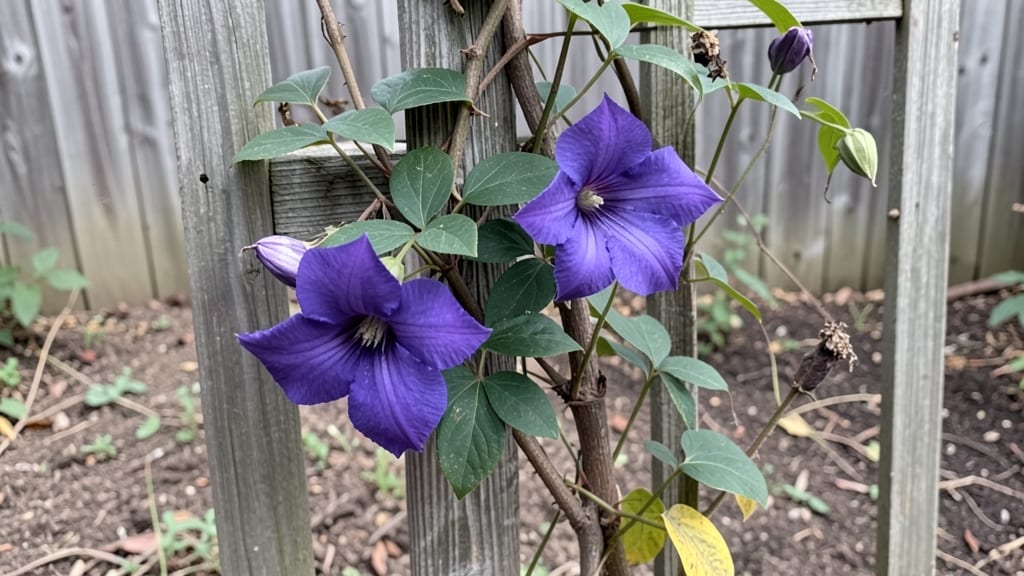
Growing clematis large flowers 🌸 in your garden means adding showstopping blooms that turn heads all season long.
Transform your garden’s shady corners into a breathtaking floral display with these varieties, which thrive where light dances through the canopy but full sun is too harsh. They’re the perfect choice for climbers, trellises, and vertical gardens—adding drama without the fuss.
If you’ve ever struggled with plants that wilt in heat or struggle in deep shade, clematis large flowers strike the perfect balance. They love sun-dappled spots and reward you with abundant blooms from June through September in Zone 6a.
In this guide, you’ll discover the top 5 varieties for partial shade, expert tips on soil, pruning, and support, plus creative ways to style them in your garden for maximum impact.
Top 5 large-flowered clematis varieties for sun-dappled gardens
Sun-dappled gardens offer the perfect balance for large-flowered clematis varieties that crave bright but indirect light. These stunning climbers produce 6-inch blooms or larger while thriving where full sun would scorch their delicate petals.
The key is selecting hardy varieties that tolerate morning sun with afternoon shade, delivering prolonged flowering from early summer through fall.
I’ve grown these varieties in my own partial-shade garden and can confidently say they transform even the most challenging spots into vertical floral displays.
Whether you’re draping them over an arbor, training them up a trellis, or letting them spill over a fence, these clematis will deliver dramatic color with minimal maintenance. Let’s explore the top performers that excel in filtered light conditions.
🌸
First on my list is 'Nelly Moser', a classic large-flowered clematis that never fails to impress. Its 6-inch pink blooms with maroon centers appear in late spring and continue through summer, often reblooming in fall.
This variety thrives in partial shade and produces a delicate fragrance that perfumes the garden on warm evenings. I’ve seen it climb to 12 feet on my arbor, creating a stunning vertical display that attracts hummingbirds.
For those seeking maximum hardiness, 'Jackmanii' is my go-to choice. This deep purple variety produces 4-6 inch blooms from midsummer through fall and handles USDA Zone 4 winters with ease. What I love about 'Jackmanii' is its vigorous growth—it will cover a trellis in just one season.
The trade-off? Its blooms are slightly smaller than 'Nelly Moser's', but the volume of flowers makes up for it.
🌿
'Vyvyan Pennell' stands out for its exceptional disease resistance and prolonged bloom season. The blue-violet flowers appear in early summer and often continue until frost, making it one of the most reliable performers in my garden. This variety is particularly well-suited for woodland gardens or areas with morning sun and afternoon shade. Its moderate growth rate makes it ideal for smaller spaces or container gardening.
If you’re dreaming of romantic white blooms,
How to create the perfect growing conditions for large-flowered clematis
Large-flowered clematis varieties like 'Nelly Moser' and 'Vyvyan Pennell' thrive in sun-dappled environments where they receive morning sun and afternoon shade. The key to their success lies in replicating these natural conditions while ensuring their roots stay cool and moist.
Without proper care, you risk weak stems or root rot—common pitfalls in low-light areas. Let’s break down the essential steps to create an ideal habitat for these stunning climbers.
Start with well-draining soil enriched with organic matter, like compost or aged manure. Clematis roots need to breathe, so avoid heavy clay soils that can suffocate them. A soil pH between 6.0 and 7.0 is ideal, as it supports nutrient uptake.
If your soil is too acidic or alkaline, amend it with lime or sulfur before planting. This foundational step sets the stage for healthy growth and vibrant blooms.
Essential Steps for Clematis Care
- 🌱 Soil Prep: Mix 50% garden soil with 50% compost and a handful of gravel for drainage
- 💧 Moisture: Water deeply 2-3 times/week; mulch with wood chips to retain moisture
- 🪴 Support: Install a trellis or arbor at planting; use soft ties to avoid stem damage
- ✂️ Pruning: Cut back dead stems in early spring; avoid over-pruning flowering stems
- 🌡️ Seasonal Care: Fertilize spring only with high-phosphorus feed; reduce watering in winter dormancy
Once your soil is prepped, focus on moisture control, which is critical for large-flowered clematis. These plants prefer consistent moisture but hate soggy roots. Water deeply in the morning to allow foliage to dry before evening, reducing fungal risks like clematis wilt.
A 5-inch layer of mulch around the base will help retain moisture and regulate soil temperature. Avoid overhead watering, which can promote disease.
Support structures are non-negotiable for large-flowered clematis. Their heavy blooms can weigh down weak stems, leading to breakage. Install a trellis, arbor, or obelisk at planting time, using soft ties or spiral clips to secure the vines gently.
Avoid wire or harsh materials that can damage the delicate stems. As the plant grows, guide it upward to encourage strong, upward-reaching growth rather than sprawling habits.
Seasonal care is where many gardeners go wrong. Large-flowered clematis need minimal fertilization—only in early spring with a balanced, high-phosphorus fertilizer (like 5-10-10). Skip fertilizing in summer and fall, as it encourages late growth that won’t harden off before winter.
In winter, reduce watering to bi-weekly and protect the base with mulch or burlap if your climate drops below 20°F.
Watch for signs of stress or disease, such as yellowing leaves (often a sign of overwatering) or brown spots (a red flag for fungal issues). Adjust your care routine immediately—reduce watering for the first, or apply a copper fungicide for the latter.
With the right conditions, your clematis will reward you with lush, repeat blooms from early summer to fall.
By following these steps, you’ll create a thriving environment for your large-flowered clematis, ensuring they flourish in sun-dappled spaces with minimal effort. The result? A garden showstopper that draws admiration all season long. 🌷