
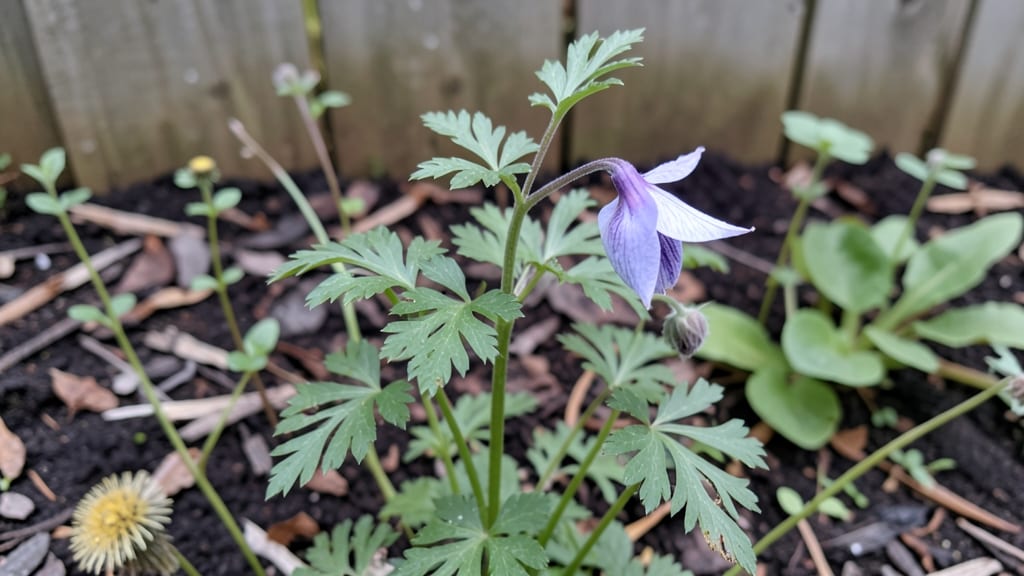
Columbine Flower Pictures: Unique Cultivars and Their Natural Habitats

Flowers

Columbine Flower Pictures: Unique Cultivars and Their Natural Habitats

The columbine flower pictures you’ll find here showcase nature’s most intricate blooms—delicate spurs and nodding petals that turn any garden into a living watercolor 🌸.

Picture this: a cottage garden bursting with vibrant pinks and deep purples, where columbines spill over stone walls like spilled paint. These aren’t just pretty faces—they’re the unsung stars of spring borders, thriving in USDA Zone 6a and beyond with almost no fuss.

Whether you’re dreaming of wild meadows or curated perennial beds, these images reveal how columbines pair with complementary plants—think foxgloves and bleeding hearts—to create a scene straight out of a storybook.

Inside, you’ll discover 15 stunning cultivars, tips for photographing their ethereal beauty, and the secret spots where they grow wild. Ready to fall in love with these springtime darlings?

15 Stunning columbine flower pictures by cultivar type

Columbine flowers (Aquilegia) offer a mesmerizing blend of elegance and diversity, with over 150 species and countless hybrids to choose from. Each cultivar boasts unique flower shapes, color patterns, and growth habits that can transform any garden into a pollinator paradise.

From classic blue columbines to fiery red hybrids, these pictures will help you visualize how each variety can fit into your landscape design.

Whether you're drawn to the vintage charm of heirloom varieties or the bold colors of modern hybrids, columbines thrive in partial shade and well-draining soil. Their self-seeding nature makes them low-maintenance, while their long blooming season ensures months of beauty.

Let's explore 15 stunning cultivars that will inspire your next planting project.

🌸

Cultivar Name Flower Color Height (ft) Unique Feature Pollinator Appeal
'Black Barlow' Deep purple-black 2-3 Velvety petals, dramatic contrast Hummingbirds, bees
'McKana's Giant' Red, yellow, white 3-4 Extra-large blooms, heirloom Butterflies, bees
'Blue Star' Sky blue 1.5-2.5 Compact, star-shaped flowers Bees, hoverflies
'Songbird Series' Red, orange, yellow 2-3 Disease-resistant, long stems Hummingbirds, bees
'Alba' Pure white 2-3 Classic elegance, fragrant Bees, butterflies
'Crimson Star' Deep red 2-3 Long spurs, bold contrast Hummingbirds, bees
'Nancy' Pink with yellow 2-3 Heirloom, self-seeding Butterflies, bees
'Goldfinger' Golden yellow 2-3 Bright, cheerful blooms Bees, hoverflies
'Pink Pizzazz' Hot pink 2-3 Dwarf variety, vibrant Butterflies, bees
'Blue Butterfly' Blue with white 2-3 Butterfly-attracting, delicate Butterflies, bees
'Coral Reef' Coral pink 2-3 Unique coral hue, long blooms Hummingbirds, bees
'Cupcake Series' Pastel mix 1.5-2.5 Dwarf, cottage garden style

Where to find columbine flowers in the wild: natural habitats explained

Columbine flowers (Aquilegia) thrive in nature's most dramatic landscapes, from rocky mountain slopes to moist woodland edges. Their natural habitats offer clues about how to cultivate them in your garden.

In the Rocky Mountains, you'll find blue columbine (Aquilegia caerulea) clinging to cliffs, while eastern red columbine (Aquilegia canadensis) graces damp meadows in the Appalachians. These wild populations often grow in well-draining, slightly acidic soils with partial shade from taller trees.

European columbines, like European columbine (Aquilegia vulgaris), prefer alpine meadows and forest clearings across the continent. Their deeply lobed petals and long spurs have evolved to attract hummingbirds and bees in these high-altitude environments.

Many wild varieties are perennial plants, returning year after year in their native habitats.

Columbine Species Natural Habitat Elevation Range Soil Preference
Blue Columbine (Aquilegia caerulea) Rocky Mountain cliffs, alpine meadows 6,000–12,000 ft Well-draining, slightly acidic
Eastern Red Columbine (Aquilegia canadensis) Appalachian woodlands, moist meadows Sea level–5,000 ft Rich, humusy loam
European Columbine (Aquilegia vulgaris) Alpine meadows, forest clearings 3,000–10,000 ft Moist, well-drained
Sierra Columbine (Aquilegia formosa) Pacific Northwest forests, stream banks Sea level–6,000 ft Acidic, organic-rich

If you're inspired to recreate these natural conditions in your garden, start by mimicking the moisture levels and light conditions of their native habitats.

For example, blue columbine thrives in well-draining soils with morning sun and afternoon shade, while eastern red columbine prefers richer, more fertile soils in partial shade. Planting columbines near native grasses or wildflowers can also attract the same pollinators they rely on in the wild.

Many wild columbine populations face conservation threats due to habitat loss and overcollection. To support these delicate plants, avoid picking wild columbines and instead grow cultivated varieties in your garden.

Native plant nurseries often carry regionally adapted species, ensuring you're planting varieties that thrive in your local climate while supporting biodiversity.

For gardeners in USDA Zones 3–8, columbines are remarkably adaptable. In cooler climates, they often self-seed prolifically, creating naturalized drifts that mimic their wild counterparts. In warmer zones, provide afternoon shade and consistent moisture to keep them thriving.

Their tolerant nature makes them perfect for woodland gardens, rock gardens, or even container plantings on patios.

I’ve found that columbines perform best when planted in groups of 3–5, creating a naturalistic display that attracts hummingbirds and bees. Pair them with foxgloves, delphiniums, or bleeding hearts for a shade-loving perennial border that blooms from late spring to early summer.

Their unique flower shapes and vibrant colors will add a touch of wild beauty to any garden setting.

Next time you’re hiking in the mountains or exploring a forest understory, keep an eye out for these enchanting wildflowers. Their resilience and beauty remind us that even the most delicate plants can thrive in the right conditions—just like they do in your garden. 🌿🌸

★★★★★4.6(14 reviews)
Categories Flowers