
Light Requirements
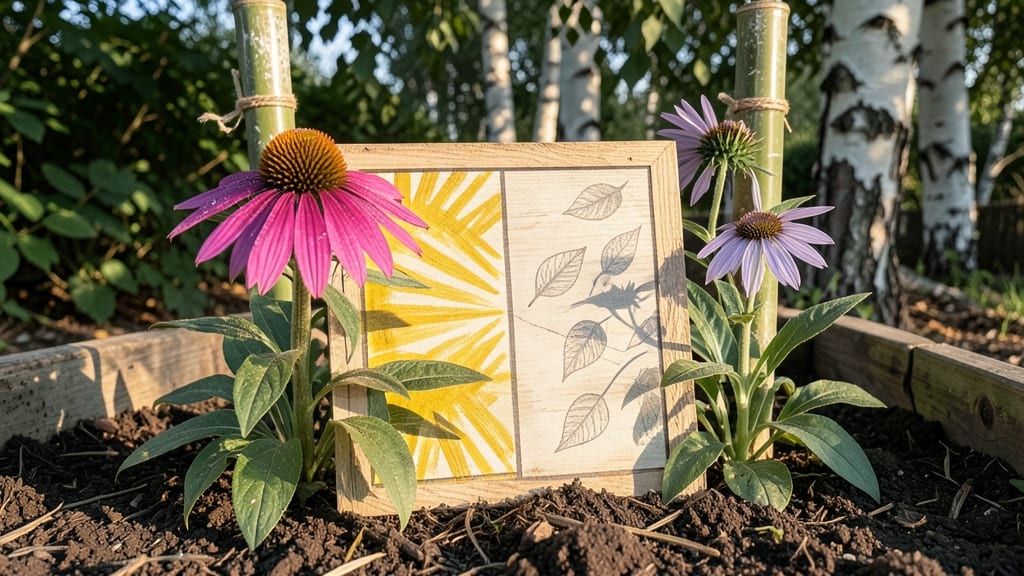
To get the most vibrant blooms, understanding the coneflower light requirements is key—these plants thrive with at least 6 hours of direct sun daily to fuel their striking flowers 🌼.
Struggling to get your coneflowers to bloom as vibrantly as they could? The secret might be hiding in plain sight—your garden’s light conditions play a far bigger role than most gardeners realize.
Too little sun, and you’ll end up with leggy stems and sparse flowers. Too much heat without shade can stress the plants, especially in Zone 6a climates where summer sun is intense.
In this guide, I’ll break down the ideal light setup, how to adjust for partial shade, and the quick fixes that bring back those bold, healthy blooms—no guesswork needed.
 Best Window Placement
Ideal sunlight hours for coneflower blooms: the science behind full sun
If you’ve ever wondered why your coneflowers (Echinacea) look lackluster or fail to bloom, the answer might be staring you right in the face—literally. These hardy perennials thrive under full sun, but not all gardeners understand how sunlight intensity and duration directly impact their growth and flower production.
The 6+ hours of direct sunlight rule isn’t just a suggestion; it’s a biological necessity for maximizing those iconic daisy-like blooms.
The science behind full sun for coneflowers lies in their native prairie habitats, where they evolved to soak up intense sunlight. This adaptation isn’t just about survival—it’s about vibrant color and robust growth.
When coneflowers receive inadequate light, their energy shifts from producing flowers to stretching toward any available light, resulting in leggy stems and fewer blooms. Understanding how to measure and optimize sunlight in your garden is the first step to unlocking their full potential.
Here’s the golden rule: 6 to 8 hours of full sun per day is ideal for coneflowers, with morning sun being especially beneficial. The intensity of sunlight also matters—direct rays (especially in the late afternoon) can intensify flower colors, while filtered light may produce paler blooms.
Let’s break down exactly what this means for your garden and how to create the perfect conditions for your coneflowers to shine.
| Factor | Ideal Condition | Effect on Coneflowers |
|---|---|---|
| Sunlight Duration | 6-8 hours/day | Maximizes blooms and plant vigor |
| Light Intensity | Full sun (direct rays) | Enhances flower color and size |
| Morning Sun | 4-6 hours | Reduces stress from afternoon heat |
| Afternoon Sun | 2-4 hours (partial shade OK) | Prevents leaf scorch in hot climates |
| Minimum Viable Light | 4 hours/day | Survival mode; fewer blooms |
Now that you know the ideal sunlight hours, let’s talk about how to measure sunlight in your garden. Most gardeners assume they know where full sun spots are, but shade from trees, buildings, or even neighboring plants can drastically reduce light exposure.
Use a simple sunlight tracker: Place a white board or reflective surface where you plan to plant and observe how much direct light it receives over a week.
If the board stays cool to the touch for more than 2 hours in the afternoon, that spot isn’t getting full sun.
Another critical factor is seasonal sunlight changes. A spot that gets full sun in summer might receive only partial shade in winter due to lower sun angles. Coneflowers are perennials, so they’ll be in your garden for years—plan for year-round light conditions.
If your garden lacks natural full sun spots, consider using reflective surfaces like white gravel or mirrors to bounce extra light onto your plants. Even a 10% increase in light exposure can make a noticeable difference in bloom quality.
The color of your coneflower blooms is directly tied to sunlight intensity. Plants grown in full sun produce deeper, richer hues because they synthesize more anthocyanins, the pigments responsible for vibrant colors.
For example, a purple coneflower in full sun will have a more intense violet tone compared to the same variety in partial shade, which may appear more lavender. This isn’t just about aesthetics—it’s a sign of the plant’s overall health and energy levels.
If you’re in a hot climate, like the southwestern U.S., afternoon sun can be too intense and may cause leaf scorch. In these cases, aim for morning sun with afternoon shade.
You can achieve this by planting coneflowers near a south-facing fence or wall that provides shade in the hottest part of the day. Alternatively, choose heat-tolerant varieties like 'Hot Papaya' or 'Sombrero Salsa', which handle intense light better than others.
One common misconception is that more sun is always better. While coneflowers love light, prolonged exposure to harsh afternoon sun without adequate water can stress the plants. Always pair full sun with well-draining soil and consistent watering to prevent root stress.
Mulching around the base of your coneflowers helps regulate soil temperature and retain moisture, creating the perfect balance for sun-loving plants.
To test whether your coneflowers are getting enough light, look for these visual cues: Healthy plants will have upright stems, dark green leaves, and abundant blooms.
How to adapt coneflowers to partial shade: when less sun still works
If your garden offers only 4-6 hours of sunlight, don't give up on growing coneflowers! While they thrive in full sun, many varieties adapt well to partial shade with the right adjustments.
The key lies in selecting shade-tolerant cultivars and optimizing growing conditions to compensate for lower light.
Coneflowers in partial shade may produce fewer blooms but can still deliver stunning foliage and occasional flowers. The 'Magnus' and 'White Swan' varieties are excellent choices for shadier spots, as they tolerate lower light better than other types. Let's explore how to maximize their potential.
Partial Shade Growing: Pros & Cons for Coneflowers
✅ Pros
- Less heat stress in hot climates
- Reduced water needs in some cases
- Extended blooming in cooler microclimates
- Better foliage color (darker green)
- Protection from strong winds
❌ Cons
- Fewer blooms (30-50% reduction)
- Smaller flower heads (1-2 inches less)
- Weaker stems (may need staking)
- Paler petals (less vibrant colors)
- Higher susceptibility to fungal diseases
Note: Results vary by coneflower variety and local climate. Test different spots in your garden to find the optimal balance.
To help your coneflowers thrive in partial shade, start with well-draining soil enriched with organic compost. Coneflowers need fertile soil to compensate for reduced photosynthesis. Mix in 2-3 inches of compost at planting time and top-dress annually in early spring.
Pruning plays a crucial role in shade-adapted coneflowers. Cut back dead or leggy stems in early spring to encourage bushier growth. Remove spent blooms throughout the season to redirect energy toward new growth rather than seed production. This technique can boost bloom counts by 20-30% even in low-light conditions.
Consider supplementing natural light with a reflective surface like a white garden wall or mulch. These surfaces bounce additional light onto your plants, effectively increasing the light they receive. For container-grown coneflowers, place them on a light-colored saucer to maximize reflection.
Monitor your plants closely for signs of light stress, such as yellowing leaves or stretched growth. If you notice these symptoms, gradually move the plant to a slightly sunnier location over 2-3 weeks to avoid shocking the roots.
Remember, even 4 hours of morning sun can make a significant difference in bloom quality.
With these adaptations, your shade-loving coneflowers can still become a garden standout, offering season-long interest even without full sun. The key is patience—give them time to adjust, and they'll reward you with beautiful blooms and resilient foliage throughout the growing season. 🌼