
Flowers
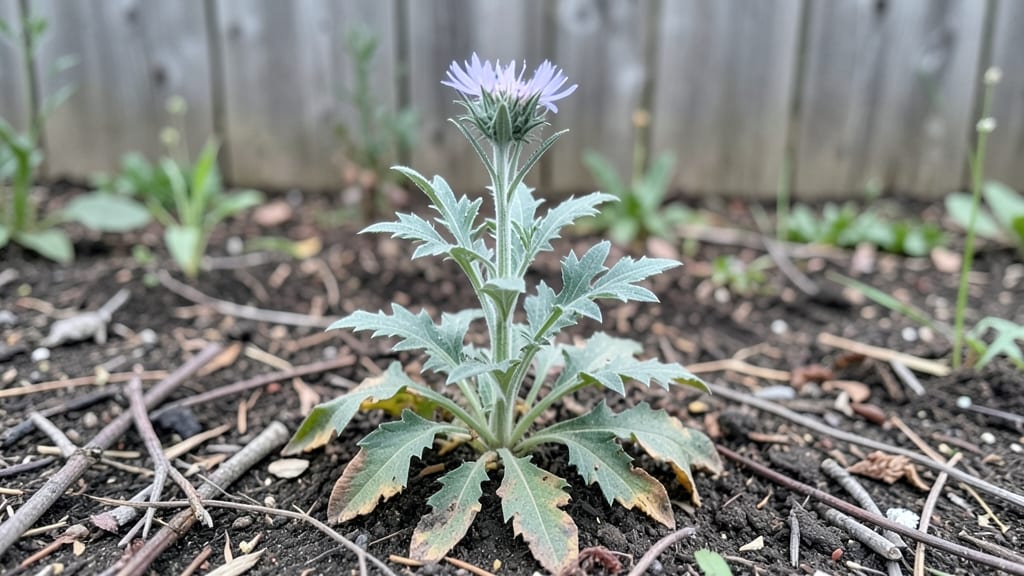
Caring for cornflowers before flowering 🌼 is where you set the stage for those iconic blue blooms—or risk ending up with leggy, sparse stems.
Cornflowers may be famous for their vibrant blue blooms, but their real magic starts long before those petals unfurl—during the critical pre-flowering stage where proper care can transform a sparse plant into a lush, bushy spectacle.
This is your chance to get the soil, water, and light just right, because skipping these steps means fewer flowers and more frustration when summer rolls around.
In this guide, I’ll walk you through the exact soil mix, watering schedule, and pruning tricks to give your cornflowers the strong foundation they need for a showstopping bloom season.
Optimal soil and nutrient requirements for cornflower growth before flowering
Cornflowers (Centaurea cyanus) thrive when their soil and nutrient needs are met during the vegetative growth stage, which sets the foundation for vibrant blooms. Before flowering begins, focus on creating a well-draining, nutrient-rich environment that encourages strong root and stem development.
The right balance of nitrogen, phosphorus, and potassium will help prevent common issues like yellowing leaves or stunted stems.
Cornflowers prefer loamy soil with a slightly alkaline pH between 6.5 and 7.5. If your soil is too acidic, amend it with lime or wood ash to raise the pH. Overly compacted or clay-heavy soil can suffocate roots, so mix in compost or sand to improve aeration and drainage.
These adjustments ensure your cornflowers have the ideal conditions to develop bushy, healthy foliage before flowering.
| Requirement | Specification | Notes |
|---|---|---|
| Soil Type | Loamy or sandy loam | Avoid heavy clay; mix in compost for fertility |
| pH Level | 6.5–7.5 (slightly alkaline) | Use lime to raise pH if too acidic |
| Drainage | Well-draining | Add perlite or sand if soil retains too much water |
| Nitrogen (N) | Moderate (5-10%) | Encourages leafy growth; avoid over-fertilizing |
| Phosphorus (P) | Moderate (10-20%) | Supports root and stem development |
| Potassium (K) | Moderate (10-20%) | Strengthens disease resistance |
| Organic Matter | 20-30% compost | Improves soil structure and nutrient availability |
| Common Deficiencies | Yellow leaves, stunted growth | Test soil and adjust NPK ratios accordingly |
During the pre-flowering stage, cornflowers benefit most from a balanced fertilizer with an NPK ratio of 5-10-10. This ratio provides enough nitrogen for foliage growth while ensuring adequate phosphorus and potassium for root and stem strength.
Over-fertilizing with nitrogen can lead to excessive leaf growth at the expense of flower production, so apply fertilizer sparingly—about 1 tablespoon per plant every 4-6 weeks during the growing season.
Yellowing leaves are often a sign of nutrient deficiency or overwatering. If the older leaves turn yellow first, it may indicate a nitrogen deficiency. In this case, apply a light nitrogen-rich fertilizer or add well-rotted manure to the soil.
If the younger leaves yellow, it could signal a phosphorus or potassium issue, which requires a balanced or potassium-rich fertilizer.
Stunted stems or slow growth might result from poor soil drainage or insufficient nutrients. To address this, improve soil aeration by mixing in organic matter like compost or coconut coir.
Additionally, ensure your cornflowers receive 6+ hours of sunlight daily to support vigorous growth. If your plants still struggle, consider transplanting them to a sunnier location with well-amended soil.
Another critical factor is mulching. Apply a 2-3 inch layer of mulch around your cornflowers to retain moisture, suppress weeds, and gradually release nutrients into the soil.
Use organic mulches like straw or shredded leaves, which will also improve soil structure over time. Avoid synthetic mulches, as they don’t contribute to soil fertility.
If you’re growing cornflowers in containers, choose a well-draining potting mix blended with perlite or vermiculite. Container-grown cornflowers may require more frequent fertilizer applications since nutrients leach out faster.
Monitor soil moisture closely—containers dry out quicker than in-ground plantings, so water when the top 1 inch of soil feels dry.
Finally, avoid overwatering, which can lead to root rot and stunt growth. Cornflowers are drought-tolerant once established, so water deeply but infrequently—about once a week—unless your region experiences extreme heat.
Always water at the base of the plant in the morning to reduce fungal risks and encourage strong root development.
By paying close attention to soil composition, pH levels, and nutrient balance during the pre-flowering stage, you’ll give your cornflowers the best chance to develop into bushy, vibrant plants ready to burst into stunning blooms.
With the right care, your garden will soon be a sea of blue and purple beauty! 🌼
Pruning and pinching techniques to encourage bushier cornflower growth
When your cornflowers are 3-4 weeks from flowering, they’re primed for a growth boost through strategic pruning and pinching. This is the perfect time to shape your plants and encourage lateral branching, which leads to fuller, more abundant blooms.
The key is to intervene at the right moment—too early, and you’ll stunt growth; too late, and you’ll miss the window for bushier development.
Pinching is the simplest technique for beginners. Using your fingers or clean pruners, gently remove the top set of leaves just above a leaf node (where leaves meet the stem). This redirects the plant’s energy from vertical growth to producing more side shoots.
For cornflowers, focus on the main stem and any strong lateral branches to create a balanced, compact shape.
⚠️ callout warning
For more dramatic results, combine pinching with selective pruning. Identify the strongest stems and trim just above a leaf node to encourage side shoots. Avoid cutting into woody stems, as cornflowers are annuals and won’t recover well from heavy pruning.
Focus on shaping rather than reducing size—this is about encouraging growth, not trimming back.
Visualize the difference: a properly pinched cornflower will have multiple secondary stems emerging from the base, creating a bushier, more vibrant display. In contrast, an unpruned plant may grow tall but sparse, with fewer blooms. Think of pruning as sculpting—you’re guiding the plant’s natural shape while maximizing its potential.
After pruning, monitor your cornflowers for signs of stress, like yellowing leaves or wilting. If you see these, adjust your watering or reduce future cuts. With the right approach, your plants will reward you with a denser, more colorful display come flowering season.
Pro tip: Use a magnifying glass to spot leaf nodes when pinching—this ensures clean cuts and better regrowth. And remember, cornflowers are forgiving, so don’t stress over perfection. Even a little pinching can make a noticeable difference in your garden’s bushiness! 🌼✂️