
Pruning
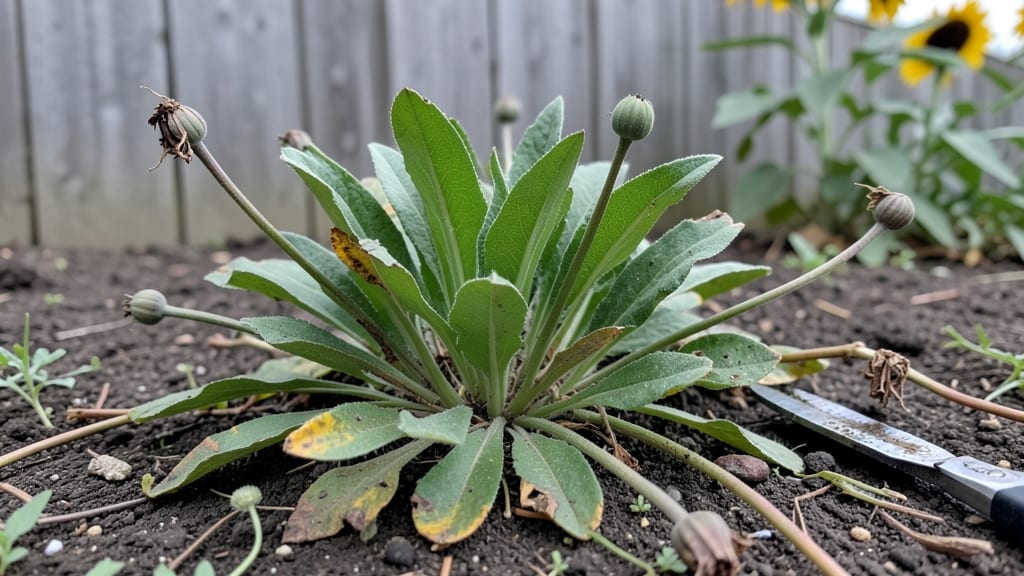
Cutting back balloon flowers at the right moment is the secret to coaxing them into a second wave of lush, vibrant blooms—until I finally cracked the code after years of trial and error. blooming powerhouses.
The best time to cut back balloon flowers is right after their first flush of blooms, usually in early summer. Grab sharp pruners and snip back about one-third of the plant’s height, cutting just above a set of leaves or a bud.
This encourages bushier growth and more flowers later in the season. Avoid cutting into woody stems, as these won’t regrow well.
After pruning, your plant will send out fresh, vibrant growth within weeks. The second bloom cycle often rivals the first, and the foliage stays lush and full. Just keep an eye out for any dead or diseased stems—remove those immediately to prevent issues.
This trick works for both young and mature plants, and it’s especially helpful in zones where winters are harsh. With proper care, your balloon flowers will reward you with stunning blooms year after year.
📚 In This Guide
- What you need
- Instructions
- Tips and common mistakes
- Wrapping up and next steps
What you need
- ● Pruning shears or sharp bypass pruners – Choose sterilized, sharp blades (size 6-8 inches) to avoid crushing stems or spreading disease.
- ● Garden gloves – Opt for durable, breathable fabric (e.g., nitrile-coated) to protect against thorns and dirt.
- ● Disinfectant (70% isopropyl alcohol or bleach solution) – Clean tools before and after pruning to prevent bacterial/fungal spread.
- ● Garden twine or plant ties – Useful for supporting tall stems post-pruning (if needed).
- ● Compost bin or mulch – For disposing of pruned foliage (avoid adding diseased plants to compost).
- ● Handheld leaf blower or soft brush – Clears debris from pruned areas without damaging new growth.
- ● Pruning saw (for thick stems) – Only needed if your Balloon Flowers have woody, mature stems (rare for young plants).
- ● Garden journal or labels – Track pruning dates and plant responses for future reference.
- ● Slow-release fertilizer – Apply post-pruning to boost root recovery (e.g., 10-10-10 NPK ratio).
Step-by-Step instructions for pruning balloon flowers
Here's how I refresh these perennials for a second flush of vibrant blooms.
Time Your Pruning for Maximum Impact
Wait until late spring or early summer after the first wave of blooms has faded. This is when your balloon flowers have finished their initial show but still have energy stored in their roots. You'll notice the flower stalks turning brown and the seed pods swelling—this is your cue that the plant has completed its first flowering cycle.
Never prune in fall or winter, as the plant needs its foliage to gather energy for next year's growth. If you prune too early in spring, you risk cutting back new growth that hasn't yet hardened off. The ideal moment is when about 70% of the flowers have bloomed and started to wilt—this ensures you're not removing too much foliage too soon.
Cut Back to the Right Height
Use clean, sharp pruners to make your cuts. For most balloon flower varieties, aim to trim back the stems to about 6-8 inches above the ground. This height encourages new shoots to emerge from the base while leaving enough foliage for photosynthesis to continue.
Look for the healthiest, most vigorous stems—these are the ones that will produce the strongest regrowth. Avoid cutting into woody stems at the base, as this can damage the plant's center. If your plant is particularly leggy, you can cut back even more aggressively, down to 4-5 inches, but this is only recommended for severely overgrown specimens.
Remove Dead or Damaged Foliage
As you prune, inspect the remaining stems and leaves. Remove any that are yellowed, browned, or showing signs of disease. These can harbor pests or pathogens that might weaken the plant. Use your pruners to snip away dead leaves at their base, making sure to avoid tearing the stems.
Pay special attention to the center of the plant, where foliage can get dense and shaded. Thin out crowded areas to improve airflow, which helps prevent fungal issues. You don't need to be overly precise—just aim to leave a neat, open shape that allows light to reach the center.
Clean Up and Fertilize for Regrowth
After pruning, gather all the cuttings and dispose of them in the trash—not the compost pile. Balloon flower debris can spread disease if left in the garden. Once the area is clear, give the plant a light application of balanced, slow-release fertilizer to encourage new growth.
Water the plant deeply but thoroughly right after pruning to help it recover. You'll see new shoots emerging from the base within 2-3 weeks, signaling that the plant is responding well. Keep the soil consistently moist but not soggy during this regrowth phase—this is when your balloon flowers are most vulnerable to stress.
Monitor for New Blooms and Adjust
Watch for signs of new growth, such as fresh green leaves or small buds forming at the base of the plant. If you notice the plant producing too many leaves but no flowers, it may need a little more sunlight. Balloon flowers thrive in full sun to partial shade, but they often reward extra light with a second round of blooms.
If your plant doesn't rebloom as expected, don't worry—some varieties are naturally single-bloomers. Others may need a light trim of spent flowers throughout the season to encourage more blooms. Either way, the pruning you've done now will keep your plant healthy and vigorous for years to come.
Tips & tricks for perfect balloon flower pruning
A few key strategies will help you maximize your balloon flowers' second flush of vibrant blooms while keeping them healthy for years.
Timing is Everything: The ideal moment for pruning is when about 70% of your flowers have bloomed and started to wilt, as mentioned in Step 1. This ensures the plant has completed its first flowering cycle but still has energy stored in its roots. I've found that pruning too early—when more than 30% of flowers remain—can actually reduce the plant's ability to store energy for future growth. Keep an eye out for those browned flower stalks and swollen seed pods as your visual cues.
Precision Cutting Technique: When you're cutting back to 6-8 inches above the ground in Step 2, make sure your pruners are clean and sharp to avoid crushing stems. I like to make my cuts at a slight angle, about 1/4 inch above a leaf node or bud. This angled cut helps water run off and prevents rot. For particularly leggy plants, cutting back to 4-5 inches can be beneficial, but only do this if the plant looks overgrown and needs a more dramatic refresh.
Post-Pruning Care Strategy: After you've finished pruning, don't forget the deep watering mentioned in Step 4. I've seen plants struggle to recover when this step is skipped, especially during hot weather. Watering deeply but thoroughly helps establish new roots and encourages strong regrowth. You'll notice new shoots emerging within 2-3 weeks if everything is done correctly. During this recovery phase, keep the soil consistently moist but avoid waterlogging, which can lead to root rot.
Disease Prevention: When removing dead or damaged foliage in Step 3, pay special attention to the center of the plant where airflow is often restricted. I've had the most success with balloon flowers when I've thinned out crowded areas to create an open shape. This not only prevents fungal issues but also allows more sunlight to reach the center, which is crucial for photosynthesis. Remember to dispose of all cuttings in the trash—not the compost—to prevent spreading any potential diseases back to your garden.
Pro Tips for Cutting Back Balloon Flowers
- A few key strategies will help you maximize your balloon flowers' second flush of vibrant blooms while keeping them healthy for years.
- Timing is Everything: The ideal moment for pruning is when about 70% of your flowers have bloomed and started to wilt, as mentioned in Step 1.
- Precision Cutting Technique: When you're cutting back to 6-8 inches above the ground in Step 2, make sure your pruners are clean and sharp to avoid crushing stems.
Frequently asked questions
Got questions about cutting back balloon flowers? You’re in the right place! Here are some common queries—plus clear, expert-backed answers to help you prune like a pro.
When’s the best time to cut back balloon flowers?
Prune balloon flowers (Platycodon grandiflorus) in early spring or right after they bloom. Cutting back too early may stunt growth, while waiting too long can reduce next year’s blooms. Aim for late winter to early spring for a fresh start—just avoid pruning in freezing temps!
How far should I trim the stems?
Trim stems to about 3–6 inches above the ground for a clean cut. If your plant is leggy or overgrown, you can go slightly lower—but avoid cutting into old wood. Use sharp, clean shears to prevent damage and reduce disease risk.
What if my balloon flowers never bloom?
Can pruning help?
Yes! If your plant isn’t blooming, it might need encouraging with strategic pruning. Cut back stems to one-third of their height in early spring to promote new growth and flower buds. Pair this with fertilizing and full sun for best results.
Can I prune balloon flowers in the fall?
Fall pruning is not recommended—it can leave your plant vulnerable to cold damage. Instead, cut back dead foliage in late winter (after frost) or wait until early spring. If you must trim in fall, only remove diseased or damaged growth.
What if my balloon flowers look sickly after pruning?
If your plant wilts or yellows post-pruning, it might be stressed or over-pruned. Check for pests, root issues, or underwatering. Water deeply, avoid fertilizing for a week, and monitor for recovery. If symptoms persist, adjust future pruning to no more than one-third of the plant.
Wrapping up and next steps
Cutting back balloon flowers is a simple yet powerful way to keep your garden thriving and your plants looking their best! 🌸 With the right tools, timing, and technique, you’ll encourage healthier growth, more vibrant blooms, and a well-shaped plant.
Remember, patience and consistency are key—your efforts will pay off in stunning seasonal displays.
Ready to take the next step? Mark your calendar for your next pruning session and watch your balloon flowers flourish like never before. Happy gardening! 🌿✨