
Flowers
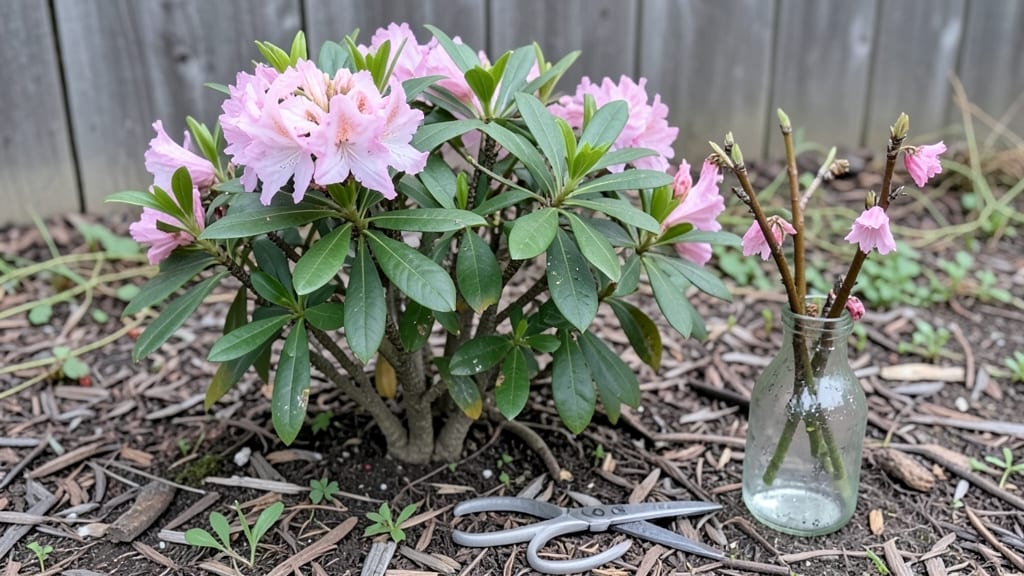
Cutting rhododendron flowers at their peak transforms your yard into a fragrant, long-lasting treasure. ✨ The secret lies in timing—early morning cuts yield the freshest blooms, and the right technique keeps both your plant and arrangements thriving for days.
I’ve learned the hard way that rushing this step means wilting flowers by afternoon.
You’ll need sharp pruners, a clean bucket of water, and a little patience. Grab your tools just as buds open fully but before they fade—usually in late spring to early summer, depending on your climate.
A quick snip just above a leaf node (where leaves meet the stem) ensures the plant stays healthy while your bouquet stays vibrant.
Once cut, the magic happens fast: submerge stems in cool water immediately to prevent wilting. For arrangements, trim stems at an angle and change the water every two days.
The result? Flowers that last 10-14 days in a vase, filling your home with that rich, sweet scent that rhododendrons are famous for.
Bonus tip: If you’re propagating, root cuttings in moist perlite—you’ll have new plants in 6-8 weeks. Just avoid cutting more than 1/3 of the plant’s blooms in one season to keep it lush for next year.
📚 In This Guide
- What you need
- Instructions
- Tips and common mistakes
- Wrapping up and next steps
What you need
- ● Sharp pruning shears or floral scissors – Choose a pair with bypass blades (not anvil-style) for clean cuts. A 5-inch to 7-inch blade works best for rhododendrons.
- ● Clean, sharp knife or pruners (backup) – A bypass pruner with a 6-inch blade ensures precision if your shears aren’t up to the task.
- ● Bucket or vase of fresh water – A 5-gallon bucket (for bulk cutting) or a clear vase (for immediate arrangements) keeps stems hydrated.
- ○ Floral preservative (optional but recommended) – A 1-teaspoon dose per quart of water extends vase life by 3-5 days.
- ○ Disposable gloves (optional) – Protects hands from mild sap irritation or thorns on some varieties.
- ● Timing – Cut flowers early morning when buds are just opening for maximum freshness.
- ● Weather check – Avoid cutting after rain or heavy dew to prevent fungal growth.
- ● Healthy plants – Only harvest from non-diseased, mature bushes (avoid over-pruning weak stems).
Step-by-step instructions for cutting rhododendron flowers
Here's how to harvest your rhododendrons like a pro—keeping plants healthy while bringing home showstopping blooms.
✂️ Step 1: Choose the Right Time and Flowers
Pick blooms in the morning when humidity is high and stems are fully hydrated. Look for buds that are just beginning to open—these will last longest in arrangements. Avoid cutting flowers that are already fully open or have brown edges, as they’ll wilt quickly.
Use sharp pruning shears or clean scissors to make a 45-degree angle cut about 2 inches below the flower cluster. This angle helps water absorb better through the stem. I always cut just above a leaf node or side branch to encourage bushier growth next season.
💧 Step 2: Prepare Stems for Long-Lasting Arrangements
Immediately after cutting, strip the lower leaves from the stems—remove any that would sit below the waterline in your vase. This prevents bacteria buildup, which shortens vase life. Leave the top leaves intact so the stems can continue feeding the blooms.
Place the cut stems in a bucket of lukewarm water for 15-30 minutes before arranging. This rehydrates the stems and helps them absorb water more efficiently. I like to add a splash of flower preservative (like a mix of sugar and bleach) to the water to extend freshness.
☀️ Step 3: Arrange for Maximum Impact
Fill a clean vase with room-temperature water—cold water can shock the stems. Trim the stems again at a fresh 45-degree angle just before placing them in the vase. This ensures maximum water uptake and prevents air bubbles from blocking absorption.
Arrange the stems loosely in the vase, spreading them out so they don’t overcrowd. Rhododendron blooms are heavy, so use a sturdy vase to prevent tipping. Add water as needed to keep stems submerged—top off daily to maintain freshness.
🌿 Step 4: Maintain Blooms for Days
Keep arrangements away from direct sunlight, heat sources, or drafts. These conditions cause flowers to wilt faster. A cool, bright spot—like a windowsill with indirect light—is ideal. I’ve seen rhododendron arrangements last 7-10 days with proper care.
Change the water every 2-3 days and trim stems again at a fresh angle each time. This keeps the water clean and prevents bacterial growth. If leaves turn yellow or stems droop, it’s time for a fresh cut and a new water change.
Tips & tricks for perfect rhododendron flower arrangements
These simple tricks will help your cut rhododendron blooms stay fresh and vibrant for days—just like the pros do.
Timing Secret: Morning is truly the golden hour for cutting rhododendrons. The cooler temperatures and higher humidity help stems stay hydrated longer. If you must cut in the afternoon, work quickly and get those stems in water within 15-30 minutes—this is when they're most vulnerable to wilting. I've noticed arrangements cut in the morning last nearly twice as long as those cut in the heat of the day.
Cutting Technique: That 45-degree angle isn't just for looks—it's crucial for water absorption. When you make the cut, imagine slicing off the corner of a square cookie. This larger surface area lets water climb up the stem more efficiently. Also, cutting just above a leaf node (where leaves grow) encourages the plant to branch out next season, giving you even more blooms!
Leaf Prep Strategy: Don't skip stripping those lower leaves! Any leaves submerged in water will rot and create bacteria that travels up the stem. I like to work over a bucket so I can easily dispose of the leaves and keep my workspace clean. Just leave the top leaves—they help feed the flower and keep it looking lush. This simple step can add 2-3 extra days to your arrangement's life.
Water Wisdom: Room-temperature water is key—cold water can shock the stems, while warm water encourages bacterial growth. That 15-30 minute lukewarm water soak before arranging is your secret weapon. Add a pinch of sugar (1 teaspoon per quart) and a tiny bit of bleach (1/8 teaspoon) to the water to give your flowers a nutrient boost and keep water clean. This homemade preservative mix is a game-changer for longevity.
Pro Tips for Cutting Rhododendron Flowers
- These simple tricks will help your cut rhododendron blooms stay fresh and vibrant for days—just like the pros do.
- Timing Secret: Morning is truly the golden hour for cutting rhododendrons.
- Cutting Technique: That 45-degree angle isn't just for looks—it's crucial for water absorption.
Frequently asked questions
Got questions about cutting rhododendron flowers? You’re not alone! Here are some common queries—and answers—to help you master the art of harvesting these stunning blooms.
Can I cut rhododendron flowers at any time?
Timing matters! Best results come from cutting rhododendron flowers in the early morning when they’re fully hydrated. Avoid midday heat or late afternoon, as blooms may wilt faster. If you’re cutting for arrangements, early to mid-bloom (when petals are fully open but not yet fading) works best for longevity.
How do I know if a rhododendron flower is ready to cut?
Look for these signs of readiness: fully open petals (no buds or wilting edges), firm stems (no softness or mushy spots), and no visible pests. If the flower feels heavy or droops slightly, it’s likely at peak freshness. Pro tip: Snip a single bloom first to test its quality before committing to a full harvest!
What’s the best way to store cut rhododendron flowers before arranging?
Keep your cut rhododendrons fresh with these steps:
- Trim stems at a 45-degree angle (like a pencil sharpener) to maximize water absorption.
- Place stems in cool, clean water (room temperature) immediately after cutting.
- Avoid direct sunlight or heat—store in a shady, humid spot (like a basement or fridge) until arranging.
- Change water every 1–2 days to prevent bacterial growth.
Why are my cut rhododendron flowers wilting so quickly?
Wilting can stem from a few issues—here’s how to troubleshoot:
- Air bubbles in stems? Re-cut stems underwater to release trapped air.
- No flower food? Add a ¼ tsp of bleach or commercial flower preservative per quart of water.
- Too much heat or sunlight? Move arrangements to a cooler, shaded area.
- Older blooms? Replace wilting stems with fresh cuts from your plant.
Are there alternatives if I don’t want to cut rhododendron flowers?
If you’d rather enjoy rhododendrons in place, try these alternatives:
- Take photos of the vibrant clusters for digital arrangements.
- Use leafy branches (without flowers) for textured vases or dried arrangements.
- Plant pollinator-friendly flowers nearby to attract bees and butterflies—rhododendrons support them too!
- Preserve petals by drying them in a cool, dark spot for crafts or potpourri.
Wrapping up and next steps
Cutting rhododendron flowers for arrangements is a rewarding way to bring nature’s beauty indoors—just remember to act gently, use sharp tools, and preserve their freshness. With the right timing, technique, and care, you’ll enjoy vibrant blooms that last for weeks.
Now that you’re ready, grab those shears and start crafting stunning floral displays! 🌸✂️
For extra inspiration, explore seasonal blooms or floral design tips to elevate your next arrangement. Happy cutting!