
Blooming
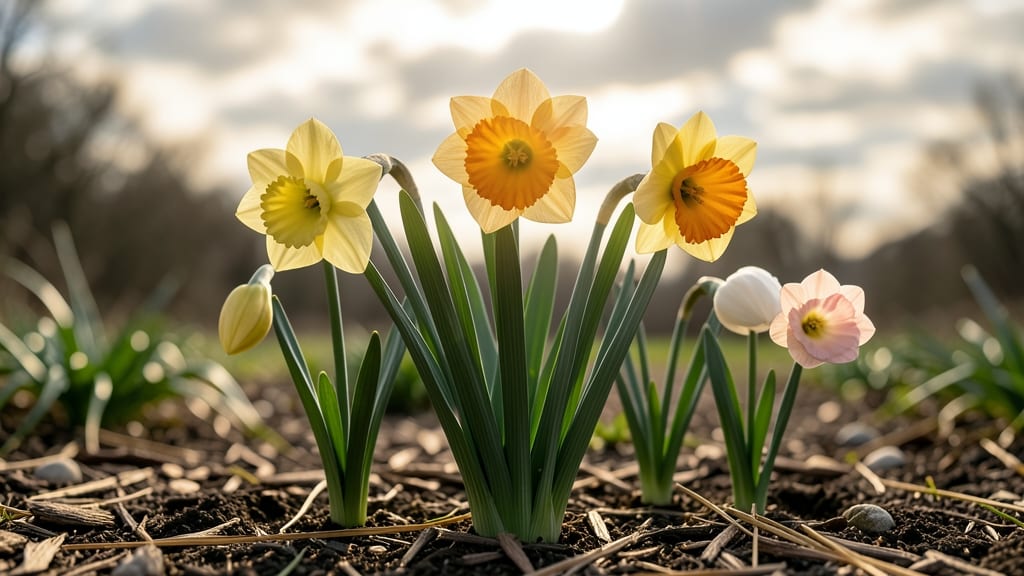
Daffodils bloom at their brightest between April and May—but the exact flowering time depends on your USDA zone, variety, and a few clever tricks.
Ever noticed how your neighbors’ daffodils 🌼 pop in March while yours linger until June? That’s not just luck—it’s all about when you plant, where you live, and how you prep the soil.
In Zone 6a, for example, early varieties like ‘Tête-à-Tête’ often flower by late March, while late bloomers like ‘Ice Follies’ might wait until May.
Below, I’ll break down the precise flowering windows by zone, share how to nudge blooms earlier or later, and reveal the one mistake that keeps daffodils from putting on their best show.
Whether you’re chasing that zero-frost bloom or just want your garden to burst into color faster, these tips will help you time it just right.
Daffodil flowering time by USDA zone: exact months for zero-frost blooms
Daffodils are one of the first signs of spring, but their blooming windows vary dramatically across the U.S. Understanding your USDA zone helps predict when to expect those cheerful yellow blooms—especially during zero-frost periods.
In colder zones, daffodils often bloom earlier to avoid late frosts, while warmer zones may see staggered blooms over weeks. Let’s break down the exact months for frost-free flowering by zone.
For gardeners in Zones 3–5, daffodils typically bloom in late April to early May, aligning with the last frost dates. In Zones 6–8, blooms arrive earlier—often in March—while Zones 9–10 can enjoy daffodils as early as February.
High-altitude areas (e.g., Denver or Flagstaff) may experience delayed blooms by 2–3 weeks due to cooler microclimates, even within the same zone.
Here’s a zone-by-zone breakdown of daffodil flowering times, accounting for regional variations and frost risks:
If you live in high-altitude areas (e.g., Denver, CO or Flagstaff, AZ), adjust expectations by adding 2–3 weeks to blooming times. For example, a Zone 6 high-altitude garden might see daffodils bloom in early May instead of March.
To compensate, choose early-blooming varieties like 'February Gold' or plant bulbs deeper (8–10 inches) to delay frost sensitivity.
For gardeners in Zones 9–10, daffodils often bloom in winter, offering early color. However, heat-sensitive varieties may struggle in summer. Opt for heat-tolerant types like 'Mexican Gold' or 'Salome' to extend the blooming season.
In these zones, daffodils can even rebloom if given proper care—like deadheading spent flowers and fertilizing lightly in fall.
Timing isn’t just about the calendar—it’s also about soil temperature. Daffodils need soil temps of 50–60°F to break dormancy. Use a soil thermometer in early spring to predict blooming windows.
If your soil stays cold, consider planting bulbs in sheltered microclimates, like near south-facing walls or under deciduous trees (which provide shade in summer but allow sun in winter).
Pro tip: Plant early, mid, and late-blooming varieties together to stretch your daffodil season. For example, pair 'February Gold' (early) with 'Ice Follies' (mid) and 'Tête-à-Tête' (late) for a 6-week blooming display.
This strategy works especially well in Zones 5–8, where frost risks are moderate. In colder zones, focus on one early variety to avoid frost damage.
Don’t forget that microclimates can shift blooming times by weeks. A sunny, sheltered spot may bloom 1–2 weeks earlier than a shaded or windy area. To test your garden’s microclimates, plant a few bulbs in different locations and track their blooming dates.
Over time, you’ll learn which spots give you the earliest and longest displays.
For gardeners in Zones 3–5, late frosts are the biggest threat. To protect early bloomers, apply a light frost cloth or mulch heavily around bulbs in late winter.
If a frost warning arrives, cover plants with burlap or cardboard until temperatures rise. Even a single frost can damage delicate buds, so stay vigilant during March–April.
Now that you know the exact zero-frost blooming windows for your zone, you can plan companion plants to extend the season. Try pairing daffodils with early tulips (for March blooms) or late crocuses (for April). This creates a continuous spring display and maximizes your garden’s visual
How to extend daffodil blooming season: proven techniques for earlier or later flowers
Want to enjoy daffodils 2–4 weeks earlier or stretch their blooms into late spring? The secret lies in bulb selection, soil temperature control, and strategic planting.
By choosing early- or late-blooming varieties and adjusting planting depths, you can shift flowering windows to match your garden's needs—whether you're in Zone 3 or Zone 10+. Let’s explore how to manipulate nature’s timeline for longer-lasting color.
Forcing daffodils indoors is another game-changer. With cool stratification and controlled light, you can coax blooms as early as Christmas or extend outdoor displays until June. Heat-tolerant varieties like 'Ice Follies' or 'Santa Ana' thrive in Zone 9+, pushing blooms into summer when other varieties fade.
The key is understanding soil thermodynamics and variety-specific needs.
🌱 5 Proven Techniques to Shift Daffodil Blooming Time
- 📅 Variety Selection: Plant early bloomers (e.g., 'Tête-à-Tête') for March blooms or late varieties (e.g., 'Papillon') for May–June displays.
- 🌡️ Soil Temperature: Use black plastic mulch in fall to warm soil and trigger earlier growth, or shade cloth in summer to delay blooming in hot climates.
- 🏺 Planting Depth: Deeper planting (8–10 inches) delays blooming by 1–2 weeks, while shallow planting (4–6 inches) encourages earlier flowers.
- ❄️ Forcing Indoors: Chill bulbs for 12–16 weeks at 35–45°F, then move to 60–65°F with 12+ hours of light for Christmas blooms.
- ☀️ Heat-Tolerant Varieties: Choose Zone 9+ types like 'Golden Harvest' to bloom in late spring/early summer when other daffodils struggle.
Start by selecting early-blooming varieties like 'February Gold' if you want March flowers. These types naturally emerge 3–4 weeks ahead of standard daffodils. Pair them with late bloomers like 'Thalia' to create a 6-week flowering cascade.
For indoor forcing, plant bulbs in containers with well-draining soil in early fall, then refrigerate them until December.
In hot climates (Zones 9–11), opt for heat-tolerant daffodils that bloom in late spring when temperatures rise. Varieties like 'Mexican Sun' thrive under partial shade and consistent moisture, pushing blooms into June.
Mulch with straw or wood chips to retain soil moisture and regulate temperature, which helps extend the blooming window by up to 3 weeks.
For outdoor extension, plant bulbs in partial shade to delay blooming until late April or May. This works especially well in northern regions (Zones 3–5), where cooler soils naturally slow growth.
In southern climates, use drip irrigation to prevent soil drying, which can stress bulbs and shorten their bloom time.
Pro tip: Divide and replant every 3–5 years to rejuvenate bulbs and ensure consistent flowering. Overcrowded bulbs produce fewer, smaller blooms, so dig them up in early summer, separate offsets, and replant at the correct depth for optimal next-year performance.