
Flowers
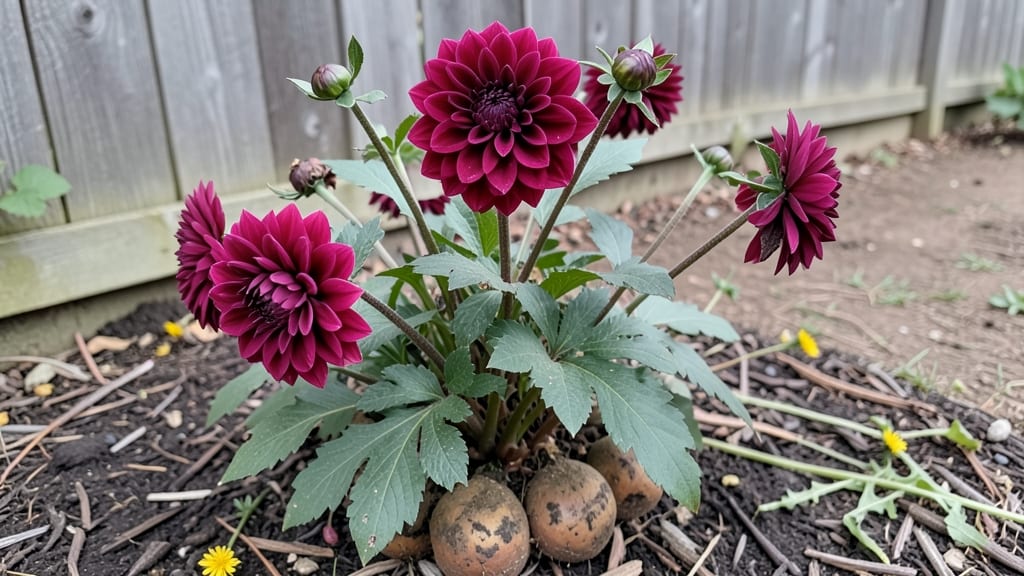
Transform your garden with stunning dahlia flower growing success by mastering the right timing and soil—it’s simpler than you’d expect. I’ve grown them for years, and the secret isn’t complicated: it’s about mimicking their natural habitat with rich, well-draining soil and consistent care.
The payoff? Stunning blooms that last from midsummer until frost, with colors ranging from deep burgundy to sunny yellow.
You’ll need just a few supplies: dahlia tubers (or cuttings), a sunny spot with at least 6 hours of light daily, and a 5-gallon container or garden bed with amended soil.
The key is planting tubers shallowly—only 2-3 inches deep—so they don’t rot before sprouting. Water deeply after planting, but avoid soggy soil, which is the #1 reason tubers fail.
Once established, dahlias thrive on regular watering (about 1 inch per week) and a monthly dose of balanced fertilizer. Pinch back the first set of leaves to encourage bushier growth, and watch as those velvety blooms unfold over 8-10 weeks.
Deadheading spent flowers keeps them producing all season long.
Works for garden beds, containers, or even cut-flower arrangements—these plants are versatile and dramatic. The best part? Even beginners can master them with just a little patience. Let’s get those tubers in the ground!
📚 In This Guide
- What you need
- Instructions
- Tips and common mistakes
- Wrapping up and next steps
What you need
- ● Dahlia tubers: 3–5 healthy tubers (choose varieties like 'Café au Lait' or 'Galaxy' for vibrant blooms).
- ● Well-draining potting mix: 5–10 gallons (or a blend of 60% compost, 30% perlite, and 10% vermiculite).
- ● Containers or garden bed: For containers: 12–18" deep pots (1 per tuber, with drainage holes).
- ● For in-ground planting: Full sun (6+ hours/day) and loose, fertile soil.
- ● Slow-release fertilizer: 10–15–10 or balanced organic fertilizer (e.g., bone meal or worm castings).
- ● Watering can or hose with a gentle nozzle: Dahlias hate soggy roots!
- ● Garden gloves: Protect your hands from thorns and soil.
- ● Pruners or shears: Sharp, clean tools for deadheading and trimming.
- ● Mulch (straw or shredded bark): 2–3 inches to retain moisture and suppress weeds.
- ● Stakes or cages: Tall varieties (4–6 ft) may need support (e.g., bamboo stakes or tomato cages).
- ○ Fungicide (optional): Copper-based spray for powdery mildew prevention.
- ○ Grow lights (optional): If starting tubers indoors early (LED or fluorescent, 12+ hours/day).
Step-by-step instructions for growing stunning dahlia blooms
Here’s how to cultivate vibrant dahlias with minimal fuss—no green thumb required.
Select and Prepare Tubers for Planting
Dahlias grow from tubers, which resemble small potatoes with "eyes" or buds. Choose firm, disease-free tubers from a reputable supplier. I like to soak them in lukewarm water for 12-24 hours before planting to encourage root growth. This step isn’t mandatory, but it speeds up establishment by 3-5 days—especially useful if your growing season is short.
Once soaked, let the tubers dry slightly before handling. The goal is to avoid squishing the delicate eyes, which are the future stems. Arrange the tubers in their planting location with the eyes facing upward. If you’re unsure which end is up, the eyes are usually on the flatter, less knobby side. This ensures the plant emerges straight and strong rather than leaning awkwardly.
Plant Tubers at the Right Depth and Spacing
Dahlias thrive when planted 4-6 inches deep, with the top of the tuber 2 inches below soil level. Use the 3 gallons of potting mix or garden soil to create a mound, place the tuber on top, and gently cover it. The spacing between tubers should be 12-18 inches apart for single-stem varieties or 18-24 inches for bushier types. Crowding leads to weak stems and fewer blooms, so don’t skimp on space.
After planting, water deeply until the soil is moist 6 inches down. You’ll know it’s right when water runs out the drainage holes but doesn’t pool on the surface. Mulch with 2-3 inches of organic mulch (like shredded bark) to retain moisture and suppress weeds. This also keeps the soil temperature stable, which dahlias love—60-75°F is ideal for root development.
Provide Consistent Water and Support Early
Dahlias need 1-1½ inches of water per week, but they hate soggy roots. I water mine at the base in the morning so the foliage dries quickly, reducing fungal risks. If your region has hot, dry spells, increase frequency to every 2-3 days until the soil feels dry 2 inches down. Overhead watering can cause mildew, so avoid it unless you’re rinsing leaves to remove pests.
As stems emerge, they’ll need support. Install 3-4 foot tall stakes or cages near each tuber before growth begins. Dahlias grow fast—3-4 feet in a season—and their heavy blooms can snap weak stems. Secure vines to the stakes with soft ties as they grow, adjusting weekly. This prevents broken stems and keeps blooms upright for easier admiring.
Fertilize and Prune for Maximum Blooms
Feed dahlias with a balanced 10-10-10 fertilizer every 4-6 weeks starting when shoots are 4-6 inches tall. I mix 1 tablespoon of fertilizer into the soil at the base, then water deeply to distribute nutrients. Too much nitrogen early on leads to lush foliage but few flowers—so skip heavy doses until stems are established. Dahlias are heavy feeders, so don’t skimp on fertilizer after the initial growth phase.
Pinch back the central stem when it reaches 12-18 inches tall to encourage bushier growth. This might seem counterintuitive, but removing the top 2-3 inches of the main stem prompts side shoots to form, which will produce more blooms. Repeat this process for any stems that grow too leggy. Deadhead spent blooms regularly to redirect energy into new flowers rather than seed production.
Extend the Season with Careful Maintenance
Dahlias are tender perennials and won’t survive frost. To prolong blooms, watch for nighttime temperatures dropping below 50°F. When frost threatens, cut stems back to 6 inches tall, dig up tubers, and store them in a cool, dark place (like a basement) with 40-50°F temperatures. Wrap them in dry peat moss or newspaper to prevent drying out. Replant in spring once the soil warms to 60°F.
If you’re in a mild climate, mulch heavily and cover plants with frost cloth on chilly nights. This buys you 2-4 extra weeks of blooms. Dahlias reward patience—with proper care, they’ll produce dozens of blooms per plant from midsummer until frost. The key is consistency: water, support, and occasional pruning keep them thriving with minimal effort.
Tips & tricks for growing stunning dahlia blooms
A few strategic adjustments can transform your dahlias from modest to show-stopping. Here's what I've learned after years of growing these dramatic bloomers.
Soaking Secret: The 12-24 hour soak in lukewarm water before planting isn't just optional—it's a game-changer for root development. I've found that tubers soaked in water with a pinch of cinnamon (just ¼ teaspoon per gallon) develop even stronger roots. The cinnamon acts as a natural fungicide while encouraging root growth. After soaking, let tubers air dry for about 30 minutes before planting to prevent rot in the eyes.
Planting Depth Matters: That 4-6 inch planting depth with the top 2 inches below soil level creates the perfect environment for tuber establishment. Too shallow and the tubers dry out; too deep and they struggle to emerge. I like to create a small mound of soil, place the tuber on top with eyes facing up, then gently cover it. This ensures consistent depth even with multiple tubers. For container growing, use at least a 12-inch deep pot to accommodate the tuber depth requirements.
Watering Wisdom: The 1-1½ inches of water per week guideline assumes average conditions, but dahlias are surprisingly drought-tolerant once established. I've found that watering deeply every 5-7 days (rather than weekly) encourages deeper root growth. The key is to water at the base in the morning and let the soil dry slightly between waterings—this prevents fungal issues while maintaining moisture for root development. A moisture meter is worth the investment if you're unsure about soil conditions.
Fertilizer Timing: Starting the 10-10-10 fertilizer application when shoots reach 4-6 inches tall is crucial because early feeding promotes leafy growth at the expense of blooms. I've had success using a slow-release fertilizer at planting time (about 2 tablespoons per plant) and then switching to liquid fertilizer every 4-6 weeks. The transition from slow-release to liquid feeding gives dahlias the phosphorus boost they need for flower production without overfeeding nitrogen.
Pro Tips for Dahlia Flower Growing
- A few strategic adjustments can transform your dahlias from modest to show-stopping.
- Soaking Secret: The 12-24 hour soak in lukewarm water before planting isn't just optional—it's a game-changer for root development.
- Planting Depth Matters: That 4-6 inch planting depth with the top 2 inches below soil level creates the perfect environment for tuber establishment.
Frequently asked questions
Got questions about growing dahlia flowers? You’re not alone—these stunning blooms are beloved but come with a few quirks. Here’s what gardeners often wonder, answered simply and straight from the trenches!
When’s the best time to plant dahlias?
Dahlia tubers thrive when planted after the last frost—wait until soil temps hit 60°F (15°C) or warmer. In warm climates, start in late spring; in cooler zones, wait until mid-to-late May. Pro tip: Harden off tubers for a week before planting to avoid shock!
How deep should I bury dahlia tubers?
Too shallow? They rot. Too deep? They struggle. Plant tubers 2–4 inches deep, with the eyes (buds) facing up. Cover with 1–2 inches of soil, then mulch lightly to retain moisture. Pro tip: If your tubers are large, split them to avoid overcrowding—each piece should have at least one eye!
Why aren’t my dahlias blooming?
Dahlias need sun, food, and patience! Check these fixes:
- Sunlight: At least 6 hours of direct sun daily—shade = fewer blooms.
- Fertilizer: Use a balanced, low-nitrogen fertilizer (like 5-10-10) every 4–6 weeks.
- Deadhead: Snip spent blooms to encourage new ones.
- Age: Young plants take 2–3 months to bloom—give them time!
Can I grow dahlias in pots?
Choose compact varieties (like ‘Bishop’ or ‘Café au Lait’) and use large pots (12+ inches wide) with drainage holes. Use a well-draining potting mix and fertilize monthly. Key: Water consistently—potted dahlias dry out faster than in-ground plants.
How do I save dahlia tubers for next year?
After frost kills foliage, dig up tubers when soil is cool (fall or early winter). Brush off dirt, let them dry in a cool, dark place for 1–2 weeks, then store in sand or peat moss in a paper bag at 40–50°F (4–10°C). Check monthly for rot—discard any mushy bits!
Wrapping up and next steps
Growing dahlias is a rewarding journey that brings vibrant color and texture to your garden with surprisingly little effort! From selecting the right tubers to mastering deadheading and winter care, these bold blooms thrive when given the basics: sunlight, well-draining soil, and consistent watering.
With patience and a few simple tricks, you’ll soon enjoy a dazzling display that lasts well into fall—and maybe even next year with proper storage.
Ready to transform your garden into a dahlia paradise? Start small: pick 3-5 varieties to experiment with, then expand your collection as you gain confidence. Happy growing—your future blooms will thank you! 🌸✨