
Pruning
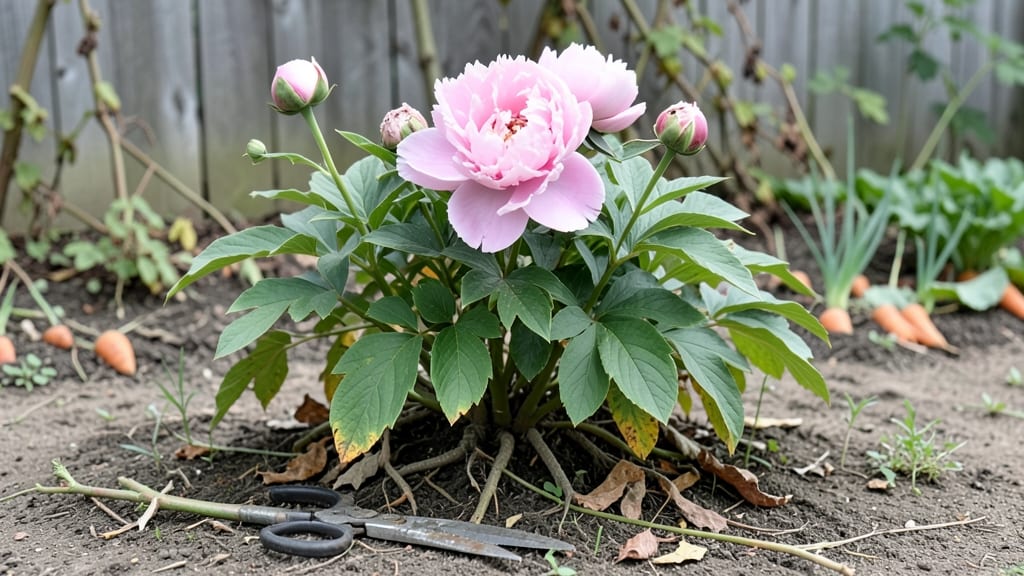
Deadheading peony flowers is the secret to turning one spectacular bloom into a second wave of flowers by summer’s end. 🌸 I’ve watched my herbaceous peonies go from one glorious spring show to weeks of extra blooms—just by snipping at the right time.
The key isn’t complicated: you’re simply redirecting the plant’s energy away from seed production and back into new buds.
You only need clean pruners and a few minutes after the petals start falling. The timing matters—cut just above the next set of leaves (the "eyes") but before the seed pods form.
Tree peonies need a slightly different approach, but the principle stays the same: remove spent blooms to encourage more growth. Over-pruning is the only real mistake here, so don’t go overboard.
What you’ll get is a plant that keeps giving. Instead of fading after the first flush, your peonies will reward you with weeks of fresh blooms, and the foliage stays lush longer.
The best part? Your neighbors will never guess how simple the trick was. Ready to turn one show into a season-long display?
Works for both herbaceous and tree varieties, and the technique scales from a single bush to a whole garden border. Here’s exactly how to do it without a single guess.
📚 In This Guide
- What you need
- Instructions
- Tips and common mistakes
- Wrapping up and next steps
What you need
- ● Pruning shears or sharp garden scissors – Choose bypass pruners (not anvil-style) to avoid crushing stems. Size: 5-7 inches for precision.
- ● Clean, sharp knife or hedge shears – For larger peony bushes or thicker stems. Bonus: Sterilize with rubbing alcohol to prevent disease.
- ○ Gloves (optional but recommended) – Protect your hands from thorns and sap. Type: Heavy-duty gardening gloves with reinforced palms.
- ● Disposable gloves or paper towels – For handling diseased or pest-ridden flowers (if applicable).
- ● Compost bin or garden waste bag – To dispose of deadheaded blooms properly (avoid composting if flowers show signs of disease).
- ● Pruning sealant (e.g., tree wound paint) – Only needed if pruning large cuts; peonies typically don’t require it.
- ● Knee pad or small stool – For comfort when working with tall or sprawling peony bushes.
- ● Spray bottle with water – To rinse tools between cuts and keep flowers fresh during cleanup.
- ● Notebook & pencil – To track blooming cycles or note which stems to prioritize for cutting.
How to deadhead peony flowers for longer blooming seasons
Here's the simple technique I use to keep my peonies flowering beautifully for months.
✂️ Step 1: Identify the Right Time to Deadhead
Wait until a peony bloom is fully open but still vibrant—never cut when petals are wilted or brown. The best time is mid-morning after dew has dried, when stems are firm. Look for buds that are just starting to unfurl nearby; this tells you the plant is still actively producing energy for new blooms.
I always check the center of the flower first. If the stamens are still bright yellow and the petals hold their shape when gently touched, it's ready. Cutting too early removes potential new buds, while waiting too long lets the plant waste energy on spent blooms.
✂️ Step 2: Use the Proper Cutting Technique
Grab your sharp pruners and make a clean cut about 1 inch above the next set of healthy buds. Never cut into the woody stem—you'll see a slight swelling where new growth emerges. Angle the cut slightly downward to prevent water from pooling on the stem, which could cause rot.
I like to hold the stem at a 45-degree angle while cutting—this gives me better leverage and control. Remove only the spent bloom, leaving the leafy foliage intact. The leaves are the plant's food factories, so don't trim them back unless they're yellowed or diseased.
🌿 Step 3: Encourage New Blooms with Post-Deadheading Care
After cutting, give the plant a light drink of water if the soil feels dry to the touch. Peonies have deep roots, so water deeply but infrequently—about 1 inch per week during growing season. The goal is to keep the roots moist but never soggy.
Here's the thing—peony plants need time to recover after deadheading. I avoid fertilizing immediately after pruning, as new growth needs to establish before taking up extra nutrients. Instead, I wait 2-3 weeks and then apply a balanced 10-10-10 fertilizer if the foliage looks pale.
⏰ Step 4: Monitor for New Growth and Repeat
Watch for new buds forming within 2-4 weeks of deadheading. You'll see them as small green swellings at the base of the stem or along the branches. These new buds will develop into secondary blooms, extending your flowering season by several weeks.
Don't panic if the first few cuts don't produce new flowers immediately. Some peony varieties are more prolific than others. I've found that repeat blooming depends on three factors: proper cutting technique, adequate water, and consistent sunlight. If your peonies aren't reblooming, check that they get at least 6-8 hours of direct sun daily.
Tips & tricks for perfect peony flower deadheading
A few simple tricks will help you extend your peony blooms all season long—no fancy tools required.
Timing Secret: The mid-morning timing in Step 1 matters more than you think. Dew has evaporated by then, so stems are firm and ready for cutting. I always check for dew by running my finger along the petals—if they feel damp, wait another 30 minutes. This prevents stems from tearing when you cut, which can stress the plant.
Cutting Angle Matters: That 45-degree angle in Step 2 isn't just for looks—it creates a larger surface area for water absorption when you water later. I like to visualize cutting a slice of pizza when making the angle. This simple technique prevents water pooling that could cause rot at the cut site, keeping your peonies healthy for weeks of new blooms.
Sunlight Check: The 6-8 hours of direct sun mentioned in Step 4 is non-negotiable for repeat blooming. If your peonies aren't reblooming, check their location first. I've found that morning sun (before 10am) is especially important—it helps dry dew quickly and gives plants a strong start to the day. Move plants to sunnier spots if needed, even if it means relocating them temporarily.
Fertilizer Strategy: That 2-3 week wait before fertilizing after pruning is crucial. Peonies are heavy feeders but need time to recover from the stress of deadheading. I use a slow-release 10-10-10 fertilizer because it won't burn the roots when new growth is just getting started. Think of it like giving your plants a gentle wake-up call rather than a jolt of caffeine.
Pro Tips for Deadhead Peony Flowers
- A few simple tricks will help you extend your peony blooms all season long—no fancy tools required.
- Timing Secret: The mid-morning timing in Step 1 matters more than you think.
- Cutting Angle Matters: That 45-degree angle in Step 2 isn't just for looks—it creates a larger surface area for water absorption when you water later.
Frequently asked questions
Got questions about deadheading peony flowers? You’re not alone! Here’s what gardeners often wonder—and how to tackle them with confidence.
When’s the best time to deadhead peony flowers?
Wait until the blooms are fully faded (usually 2–3 weeks after flowering) before deadheading. Cutting too soon can stress the plant, while waiting too long risks spreading disease. For herbaceous peonies, aim for late summer to early fall—just avoid pruning in early spring, as new growth emerges then!
What if I accidentally cut into the green stems?
No worries! If you snip into a green stem, stop ½ inch above the next set of leaves—this keeps the plant healthy. Avoid cutting into woody stems, though, as that can invite rot. A clean, angled cut with sharp shears helps prevent damage.
Can I deadhead peonies in the fall?
Yes, but with a twist! For herbaceous peonies, deadhead in late summer/fall to encourage winter hardiness. For tree peonies, skip deadheading until spring—leaving seedheads can add winter interest. Always remove only faded blooms to avoid weakening the plant.
What if my peonies don’t bloom next year after deadheading?
Don’t panic—this is rare but possible if the plant was over-stressed or pruned incorrectly. Ensure your peonies get 6+ hours of sun, well-drained soil, and consistent watering. If blooms are sparse, try fertilizing lightly in spring with a balanced, low-nitrogen formula.
Are there alternatives to deadheading?
For a low-maintenance look, leave seedheads on herbaceous peonies—they add texture and feed birds. For tree peonies, consider pruning in early spring (just above buds) instead. Mulching around the base also helps retain moisture and reduce weeds, cutting down on extra work.
Wrapping up and next steps
Deadheading peony flowers is a simple yet powerful way to keep your garden vibrant and encourage year-round blooms—no green thumb required! By removing spent blooms and a few leaves, you’re not just tidying up; you’re giving your peonies the best chance to thrive.
With just a little effort, you’ll enjoy stunning, repeat flowers and a healthier plant for seasons to come.
Ready to transform your garden? Grab your pruners and start deadheading today—your peonies will thank you! For even more gardening tips, check out our guide on seasonal plant care.