
Pruning
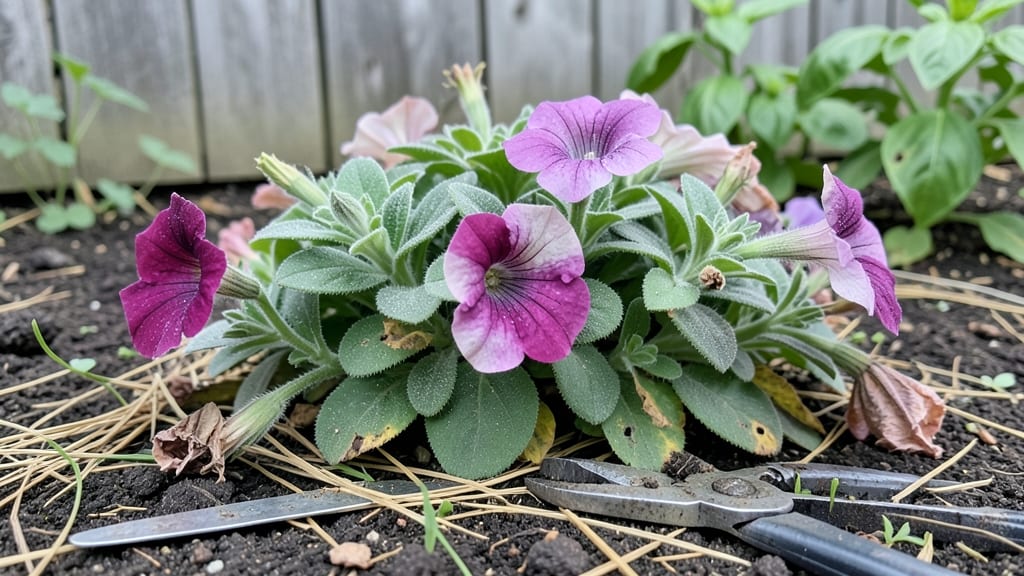
Deadheading spent flowers keeps your garden looking fresh and encourages more blooms all season long. ✨ I used to think it was just about looks, but now I know it’s the secret to stronger plants that flower longer—sometimes until frost.
The process is simple once you get the hang of it, and it only takes a few minutes per plant.
You’ll need clean pruners or just your fingers for small flowers, and a clear day to spot what needs trimming. The key is removing the whole flower head—down to the first set of healthy leaves—so the plant redirects its energy into new growth instead of making seeds.
Annuals like zinnias and petunias respond instantly, while perennials like coneflowers and black-eyed Susans reward patience with bigger blooms next year.
Timing matters most: deadhead right after flowers fade or turn brown, but before seed pods form. This prevents pests like aphids from moving in and keeps your garden tidy.
Even a few minutes spent deadheading every few days can double your blooms—my impatiens now last from May until hard frost, and my roses put out a second flush in late summer.
For beginners, start with one plant and watch how it responds. Over time, you’ll notice which flowers need frequent deadheading (like geraniums) and which can wait (like peonies). The more you do it, the more your garden will thrive—without extra work or chemicals. Ready to give it a try?
📚 In This Guide
- What you need
- Instructions
- Tips and common mistakes
- Wrapping up and next steps
What you need
- ● Pruning shears or sharp scissors: A bypass pruner (for clean cuts) or clean, sharp scissors (for smaller blooms). Avoid dull tools—they crush stems!
- ○ Gloves (optional but recommended): Lightweight gardening gloves to protect hands from thorns or sap.
- ● Bucket or trash bag: A small container (5–10 gallons) to collect spent blooms and debris.
- ○ Garden twine or rubber bands (optional): For tying up large plants or securing loose stems.
- ● Knowledge of plant types: Identify which flowers benefit from deadheading (e.g., annuals like petunias vs. perennials like coneflowers).
- ● Timing: Deadhead in the morning when blooms are dry (avoids spreading disease).
- ● Weather check: Work on dry, calm days—wet conditions can encourage fungal growth.
How to deadhead spent flowers for longer blooms
Here's the simple technique I use to keep my garden vibrant all season.
🌿 Step 1: Identify and Locate the Right Flowers
Start by scanning your plants for flowers that have already bloomed and are starting to fade. These are the ones you'll want to remove—they'll look wilted, drooping, or have browned petals. I like to work in the morning when the flowers are still cool and crisp, making it easier to spot the spent blooms against fresh ones.
Focus on flowers that have fully opened and are now closing up. The key is to remove them before they set seed, which saps energy from the plant. Look for flowers with petals that have curled or fallen away, or centers that have turned brown. These are your targets for deadheading.
✂️ Step 2: Use the Right Tools and Technique
Grab your clean, sharp pruners or shears—never pinch or tear flowers by hand. Dull tools can crush stems and invite disease. I always wipe my pruners with rubbing alcohol between plants to prevent spreading any potential pathogens. Hold the stem just above a set of healthy leaves or a leaf node where new growth can emerge.
Make your cut at a 45-degree angle about ¼ inch above the leaf node. This angle helps water run off the cut instead of pooling, which can rot the stem. For delicate flowers like roses, I use small bypass pruners to avoid damaging the surrounding growth. For tougher stems, like those on coneflowers, I use my larger pruners for a cleaner cut.
🌱 Step 3: Encourage New Growth with Proper Timing
Deadhead right after you notice the first signs of fading—don’t wait until the flower is completely brown and crispy. The sooner you remove spent blooms, the sooner the plant can redirect its energy into producing new flowers. I always carry a small pair of pruners in my gardening apron so I can snip as I walk through the garden.
Watch for new buds forming at the base of the plant or along the stems. These are your plant’s way of telling you it’s ready to bloom again. After deadheading, give the plant a light watering to help it recover. You’ll often see new flowers emerging within 7-10 days, depending on the plant and weather conditions.
☀️ Step 4: Maintain and Monitor for Best Results
After deadheading, keep an eye on your plants for signs of stress, like yellowing leaves or wilting. This could mean the plant needs more water, nutrients, or simply time to recover. I like to fertilize lightly after deadheading to give the plant a boost—just a ¼ teaspoon of balanced fertilizer mixed into the soil around the base works wonders.
Regular deadheading keeps your garden looking tidy and encourages continuous blooming. I set a reminder to check my garden every 5-7 days during peak bloom season. This habit saves me time in the long run and ensures my garden stays lively and full of color all season long.
Tips & tricks for perfect flower deadheading
These simple strategies will help you keep your garden thriving with vibrant blooms all season long.
The Timing Secret: I can't emphasize enough how important it is to deadhead in the morning when flowers are still cool and crisp. This makes it much easier to identify the spent blooms against fresh ones. I've found that working in the morning also gives plants the entire day to recover and redirect energy to new growth.
Tool Technique: Using the right angle is everything! That 45-degree cut about ¼ inch above the leaf node isn't just about aesthetics—it's about plant health. This angle prevents water from pooling on the cut, which can lead to rot. For delicate flowers like roses, I've learned to use small bypass pruners to avoid damaging the surrounding growth while still getting a clean cut.
Plant Recovery: After deadheading, give your plants a light watering to help them recover. I've noticed that plants often respond within 7-10 days with new buds forming at the base or along the stems. This is your plant's way of telling you it's ready to bloom again—don't miss these visual cues!
Maintenance Strategy: I've developed a simple system to keep on top of deadheading: I set a reminder to check my garden every 5-7 days during peak bloom season. This habit has saved me countless hours of catch-up work later in the season. It also prevents the plant from wasting energy on seed production, which would otherwise divert resources from new blooms.
Pro Tips for Deadhead Spent Flowers
- These simple strategies will help you keep your garden thriving with vibrant blooms all season long.
- The Timing Secret: I can't emphasize enough how important it is to deadhead in the morning when flowers are still cool and crisp.
- Tool Technique: Using the right angle is everything!
Frequently asked questions
Got questions about deadheading spent flowers? You’re not alone—let’s clear up the confusion with these common queries and answers!
When’s the best time to deadhead?
Deadhead flowers right after they fade—usually in the morning when the plant is hydrated. For perennials, wait until they’ve fully bloomed and the petals are brown or brittle. Annuals? Snip them as soon as they wilt to encourage repeat blooms. Pro tip: Check your plant’s specific needs—some (like roses) thrive on regular deadheading, while others (like peonies) prefer a lighter touch.
How often should I deadhead?
Frequency depends on the plant! Heavy bloomers (like zinnias or marigolds) need weekly attention, while light bloomers (such as lavender or coneflowers) may only need a trim every few weeks. Over-deadheading can stress some plants—observe their growth pattern and adjust accordingly. Rule of thumb: If your plant looks leggy or stops blooming, it’s time to revisit your schedule!
What’s the difference between deadheading and pruning?
Deadheading specifically targets faded blooms to redirect energy into new flowers, while pruning involves removing stems, leaves, or branches for shaping, health, or size control. Think of deadheading as a quick refresh for blooms, and pruning as a long-term garden tune-up. Some plants (like hydrangeas) benefit from both!
Can I skip deadheading?
What happens if I don’t?
Skipping deadheading means your plant will eventually produce seeds instead of new blooms. Some flowers (like cosmos or black-eyed Susans) may still look decent, but others (like roses or petunias) will falter in vibrancy and quantity. Bonus: Deadheading also keeps your garden tidy and deters pests attracted to decaying blooms. Exception: Leave some flowers on plants like milkweed to support pollinators!
Does deadheading affect my plant’s water needs?
Deadheading won’t drastically change your watering routine, but it can reduce stress on the plant. Removing spent blooms means less energy spent on seed production, so your plant may recover faster from drought or heat. Watch for: Wilting leaves post-deadheading? Give it a deep drink—sometimes trimming triggers a thirsty response! Stick to your usual schedule unless the soil feels dry.
Wrapping up and next steps
Deadheading spent flowers isn’t just about tidying up—it’s a simple, rewarding way to boost your garden’s health, beauty, and longevity. By removing faded blooms, you encourage new growth, deter pests, and keep your plants thriving all season long.
Whether you’re a seasoned gardener or just starting out, this easy technique makes a big difference with minimal effort!
Ready to give it a try? Grab your pruners and transform your garden into a vibrant, long-lasting paradise—one deadhead at a time! 🌸✨