
Blooming
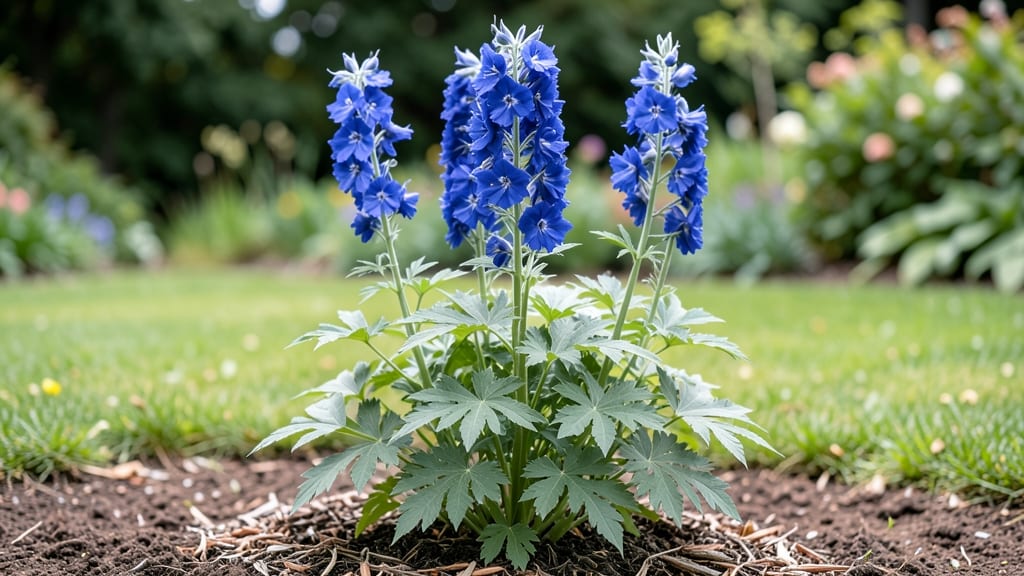
Delphinium flowers bloom between late spring and summer 🌸, with exact timing depending on your variety and climate zone—but getting this right means the difference between a showstopping garden and missed color.
Picture this: you’ve waited months for those towering spikes to unfurl, only to realize your Pacific Giant bloomed two weeks earlier than expected—or worse, never opened at all.
The good news? With the right timing and care, you can shift bloom windows by weeks, ensuring vibrant color from June through August.
Cooler regions like zone 6a typically see delphiniums burst into color in June, while warmer zones may push blooms into July or August. Varieties like Elatum often flower earlier than Pacific Giants, and soil prep, sunlight, and deadheading can all nudge the clock forward or backward.
Below, I’ll break down the exact bloom windows by variety, how to adjust for your climate, and the simple tricks to extend those showy spikes for weeks longer than the neighbors’.
Delphinium bloom time by variety: month-by-month breakdown
Delphiniums are the showstoppers of late spring and summer gardens, but their bloom timing varies wildly by variety. Whether you're growing tall Pacific Giants or compact Belladonna types, knowing these exact windows helps you plan for maximum impact.
Most varieties bloom between June and August, but cooler climates can push blooms earlier, while hotter zones may delay them. Let's break down the month-by-month expectations for your favorite delphinium types.
First, consider your USDA hardiness zone. Delphiniums thrive in zones 3 through 9, but their bloom periods shift noticeably. For example, Pacific Giants in zone 5 might burst into color in late June, while the same variety in zone 8 could wait until mid-August.
The key is understanding these seasonal shifts and adjusting your planting schedule accordingly.
Below is your color-coded bloom calendar for popular delphinium varieties, organized by peak bloom months. Use this as your gardening roadmap to ensure you're planting the right types for your desired display window.
If you're in cooler zones (3-5), aim to plant Pacific Giants and Elatum varieties in early spring (March-April) to catch their June-July peak. These varieties love the long daylight hours of summer and will reward you with bold, upright spikes that dominate garden beds.
For warmer zones (6-9), delay planting until late spring (May) to avoid early bolting from heat stress.
The Belladonna series is my personal favorite for extended color. Unlike their taller cousins, these 2-3 foot varieties bloom from June through August, giving you a 6-week display with minimal effort.
Their compact stature also makes them perfect for border gardens or container plantings where space is limited. Plus, their vibrant blue and purple hues attract pollinators like crazy!
For gardeners in zone 9 and beyond, consider Eximia Series delphiniums. These varieties handle hotter climates better and often bloom later into September. Pair them with cool-season annuals like snapdragons for a sequential color show that keeps your garden looking fresh all summer long.
Just be sure to provide
How climate zones shift delphinium bloom timing (and how to adjust)
Delphiniums are cool-season lovers, and their bloom timing shifts dramatically depending on your USDA climate zone. In Zone 3, expect blooms as early as late May, while Zone 10 gardeners may see flowers stretch from February to October.
These shifts happen because cooler climates trigger earlier flowering, while warmer zones delay blooms until heat stress subsides.
The key to adjusting bloom timing lies in understanding your microclimate—a sunny south-facing spot can push blooms 2-3 weeks earlier compared to shaded areas. For example, Pacific Giant delphiniums in Zone 7 might bloom in June-July, but with proper care, you can coax earlier or extended blooms.
Let’s break down how to time your plantings for peak summer color.
For earlier blooms, focus on cool-season planting. In Zones 3-6, start seeds indoors 8-10 weeks before your last frost date. Use black plastic mulch to warm soil faster, or plant near south-facing walls to capture heat.
In warmer zones (7-10), opt for winter planting—delphiniums thrive in cool fall temperatures and will reward you with spring blooms.
To extend bloom seasons, deadhead spent flowers regularly and fertilize with phosphorus-rich formulas every 4-6 weeks. In hot climates, provide afternoon shade with 50% shade cloth to prevent bolting.
For cooler zones, use row covers in early spring to protect young plants from late frosts while accelerating growth.
Microclimates play a huge role. A south-facing slope can add 2-3°F warmth, pushing blooms 1-2 weeks earlier. Conversely, low-lying areas with poor drainage may delay blooms by 3+ weeks.
Test your soil’s drainage—delphiniums hate soggy roots—and amend with compost to improve aeration. With these adjustments, you’ll maximize your delphinium’s bloom potential year after year.
Remember, variety matters. Pacific Giant types bloom later than Belladonna varieties, so choose based on your local climate. Experiment with successive planting: sow half your seeds in spring and half in early summer for a continuous display from June to September. 🌸