
Blooming
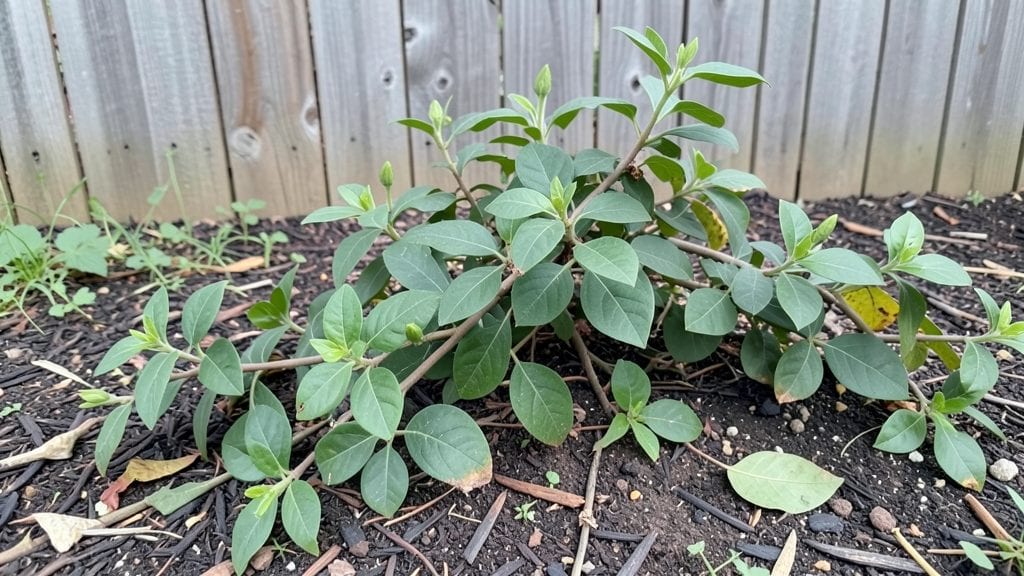
Dipladenia not flowering? That stubborn silence is usually a cry for better light or a long-overdue haircut. 🌿 I’ve nursed back more than a dozen dipladenias from their "no-show" phase, and the fix almost always comes down to two things: light exposure and pruning timing.
Most gardeners overlook one or both—until now.
The biggest culprit is insufficient bright, indirect light, especially in winter when days shorten. Dipladenias need 6+ hours of morning sun or a grow light, but too often they’re tucked away in shady corners where they stretch like sleepy teenagers.
Then there’s the pruning puzzle: cutting back too late in the season (after blooms fade) or too aggressively (stripping all growth) sends the plant into survival mode instead of bloom mode.
Within 4-6 weeks of adjusting light and pruning right, you’ll spot fresh green growth—and those signature trumpet-shaped blooms will follow. The key is acting before the plant gives up entirely. Think of it as giving your dipladenia a wake-up call it can’t ignore.
Works for both indoor plants and patio dipladenias, though outdoor varieties need winter protection in colder zones. Let’s get those buds talking again—starting with the light check.
Root Causes Of Missing Blooms
When your dipladenia (or Mandevilla) refuses to bloom, it’s usually sending a clear signal—your plant’s basic needs aren’t being met. Understanding the why behind the lack of flowers is the first step to bringing back those vibrant, trumpet-shaped blooms.
Let’s break down the most common culprits, backed by science, so you can diagnose and fix the issue.
🌱 Insufficient light exposure
Dipladenia thrives in bright, indirect sunlight—think dappled shade or morning sun with afternoon shade. When deprived of adequate light, the plant shifts its energy toward leaf growth instead of flowering, a survival mechanism known as etiolation.
Without enough light, the plant can’t produce the photosynthates (sugars) needed to trigger blooming.
- Signs: Long, leggy stems, sparse foliage, or leaves stretching toward light sources.
- Science behind it: Low light reduces phytochrome activity, a pigment that regulates flowering in response to light/dark cycles.
- Fix: Move your dipladenia to a south- or west-facing window or use a grow light (12–14 hours of light daily).
❄️ Temperature & seasonal stress
Dipladenia is a tropical plant that loves warmth—ideal temperatures range between 60–85°F (15–29°C). Sudden drops below 50°F (10°C) or exposure to cold drafts can shock the plant, halting flower production. Additionally, lack of seasonal dormancy (common in indoor settings) confuses the plant’s natural blooming cycle.
- Signs: Dropping leaves, stunted growth, or flowers that form but fail to open.
- Science behind it: Cold stress triggers abscisic acid production, a hormone that prioritizes survival over reproduction.
- Fix:
- Keep indoors away from AC vents or doors.
- Simulate seasons by reducing water in winter and moving to a cooler (but not cold) spot (e.g., 55–60°F / 13–16°C).
- Use a heat mat for potted plants in chilly climates.
💧 Overwatering or poor drainage
Dipladenia roots rot quickly in soggy soil, which disrupts nutrient uptake and stresses the plant. While it loves moisture, waterlogged conditions prevent the roots from accessing oxygen, leading to anaerobic respiration—a process that depletes energy reserves needed for flowering.
- Signs: Yellowing leaves, mushy stems, or a musty soil smell.
- Science behind it: Root hypoxia (oxygen deficiency) triggers ethylene gas production, which inhibits blooming.
- Fix:
- Use a well-draining mix (cactus/succulent soil + perlite).
- Water only when the top 1–2 inches of soil are dry.
- Ensure pots have drainage holes and use a cache pot with gravel.
🍽️ Nutrient imbalance or over-fertilizing
Dipladenia needs balanced nutrients, but too much (or the wrong kind) of fertilizer can burn roots or promote leafy growth at the expense of flowers. Specifically, an excess of nitrogen (N) encourages foliage, while a phosphorus (P) deficiency stalls blooming.
- Signs: Dark green, glossy leaves with no buds, or brown leaf tips.
- Science behind it: High nitrogen suppresses florigen, a protein that signals flowering.
- Fix:
- Switch to a low-nitrogen, high-phosphorus fertilizer (e.g., 5-10-10 ratio).
- Fertilize only in spring/summer (every 4–6 weeks).
- Avoid fertilizing in winter when growth slows.
🌿 Lack of pruning or overcrowding
Dipladenia blooms on new wood, meaning pruning stimulates fresh growth where flowers emerge. If left unpruned, the plant becomes overcrowded or leggy, with energy diverted to maintaining old stems instead of producing buds. Additionally, root-bound plants (potted dipladenia with circling roots) struggle to support blooming.
- Signs: Bare stems at the base, sparse foliage, or flowers only on the tips of branches.
- Science behind it: Pruning increases cytokinin levels, a hormone that promotes cell division and flowering.
- Fix:
- Prune after flowering to encourage new growth (cut back by ⅓).
- Repot every 2–3 years to refresh root space.
- Pinch back tips of leggy stems to encourage bushiness.
Pro tip: 💡 If your dipladenia is indoor-bound, try moving it outdoors in summer—the combo of sun, warmth, and humidity often triggers a blooming surge!
How to solve it
When your dipladenia refuses to bloom, the good news is that most issues have simple, actionable fixes. Below are targeted solutions mapped to the most common causes—plus prevention tips to keep your plant thriving long-term. Think of this as your step-by-step troubleshooting guide, with no jargon and all practical steps.
🌱 1. Light Issues: Boost Brightness the Right Way
If your dipladenia is sitting in low light or too much shade, it’s essentially telling you, “I need more energy to bloom!” Dipladenias crave bright, indirect sunlight (think morning sun or filtered afternoon light). Here’s how to fix it:
- 🔥 Move it closer to a window—south- or west-facing is ideal. If outdoors, place it where it gets 4–6 hours of dappled sun (avoid harsh midday rays).
- 🍳 Rotate the pot weekly to ensure even light exposure (plants lean toward light sources).
- 🌡️ Use a grow light if natural light is lacking: A 12-hour LED grow bulb (6,000K color temp) 6–12 inches away can mimic sunlight.
Prevention tip: 💡 Monitor light conditions year-round. In winter, supplement with artificial light to maintain consistency.
💧 2. Water Woes: Strike the Perfect Balance
Overwatering or underwatering both stress dipladenias, halting blooms. These tropical beauties need consistently moist (but not soggy) soil. Here’s how to dial it in:
- 👨🍳 Check soil moisture before watering: Stick your finger 1–2 inches deep. If it’s dry, water thoroughly until it drains from the bottom. If it’s damp, wait 1–2 more days.
- ⏰ Water in the morning to reduce evaporation and fungal risks. Avoid soggy soil—dipladenias hate “wet feet.”
- 🔪 Upgrade your pot: Terracotta pots dry faster than plastic. If using plastic, add a layer of perlite to improve drainage.
Prevention tip: ✨ Use a moisture meter ($10–$15) to avoid guesswork—especially in humid climates where soil stays damp longer.
🌿 3. Nutrient Deficits: Feed for Flowers
Dipladenias are heavy feeders, and skipping fertilizer is like skipping meals—you won’t bloom! Use a balanced liquid fertilizer (10-10-10 or 20-20-20) with these tweaks:
- 📊 Fertilize every 2–4 weeks during spring and summer (when growth is active). Reduce to monthly in fall and stop in winter.
- 💪 Boost phosphorus for blooms: Switch to a bloom-specific fertilizer (like 10-30-20) for 4–6 weeks before expected flowering season.
- 🥗 Avoid over-fertilizing: Yellow leaves or leaf drop? Flush the soil with water to remove excess salts.
Prevention tip: 🎯 Test soil annually—if your dipladenia’s soil is depleted, a slow-release granular fertilizer can provide steady nutrients.
✂️ 4. Pruning & Stress: Encourage New Growth
Dipladenias bloom on new wood, so if your plant is overgrown, leggy, or root-bound, it’s focused on survival—not flowers. Prune strategically:
- 🔪 Trim back by 1/3 in early spring (just as new growth starts). Cut just above a leaf node (where leaves grow) to encourage branching.
- 🌱 Pinch back tips occasionally during growth to promote bushier, flower-ready stems.
- 🌡️ Repot if root-bound: If roots circle the pot or poke through drainage holes, move to a 1–2 inch larger container with fresh potting mix.
Prevention tip: 💡 Prune regularly—even a light trim every 2–3 months keeps your dipladenia compact and flowering-ready.
🌡️ 5. Temperature & Humidity: Mimic Tropical Comfort
Dipladenias hate drafts and temperature swings. If your home is too dry or chilly, blooms won’t appear. Adjust with these fixes:
- 🏡 Keep temps between 65–75°F (18–24°C). Avoid placing near AC vents, heaters, or drafty windows.
- 💦 Increase humidity: Place the pot on a pebble tray with water or use a humidifier nearby. Aim for 50–60% humidity.
- 🌧️ Mist leaves lightly 2–3 times a week (avoid soaking flowers). Early morning misting prevents fungal issues.
Prevention tip: ✨ Group plants together—they create their own microclimate and retain moisture better.
Final Pro Tip: 🎯 Combine fixes for fastest results. For example, move your dipladenia to brighter light, fertilize, and prune all in the same week. Within 6–8 weeks, you should see new buds forming!
Frequently asked questions
Why does my dipladenia keep growing leaves but no flowers?
Your plant is likely prioritizing survival over blooming due to insufficient light or improper nutrients. Dipladenias need 6+ hours of bright, indirect light daily to trigger flowering. If it’s sitting in low light, it’ll stretch and grow leaves instead. Also, check your fertilizer—too much nitrogen promotes foliage, while phosphorus encourages blooms. Switch to a low-nitrogen, high-phosphorus blend for best results.
Is it too late to fix my dipladenia if it hasn’t bloomed all season?
Not necessarily! Even if blooming season has passed, adjusting care now can prepare your plant for next year. Focus on pruning back leggy stems by ⅓ in early spring, moving it to brighter light, and fertilizing with a bloom-specific formula. Dipladenias bloom on new growth, so fresh pruning encourages future blooms. Start these fixes within 4-6 weeks to see results.
How often should I prune my dipladenia to encourage flowering?
Prune your dipladenia twice yearly: once in early spring to shape and encourage new growth, and again after flowering ends to maintain size. Cut back ⅓ of the plant just above leaf nodes to promote bushier stems where flowers form. Avoid heavy pruning in fall or winter when growth slows. Regular trimming keeps your plant compact and flowering-ready.
Can I bring my dipladenia indoors for winter and still get blooms?
Yes, but you’ll need to mimic tropical conditions. Place it near a south-facing window or use grow lights for 12-14 hours daily. Keep temps between 60-70°F and reduce watering slightly. Avoid cold drafts or sudden temperature changes. Dipladenias need a cool but not cold winter dormancy to prepare for spring blooming.