
Flowers
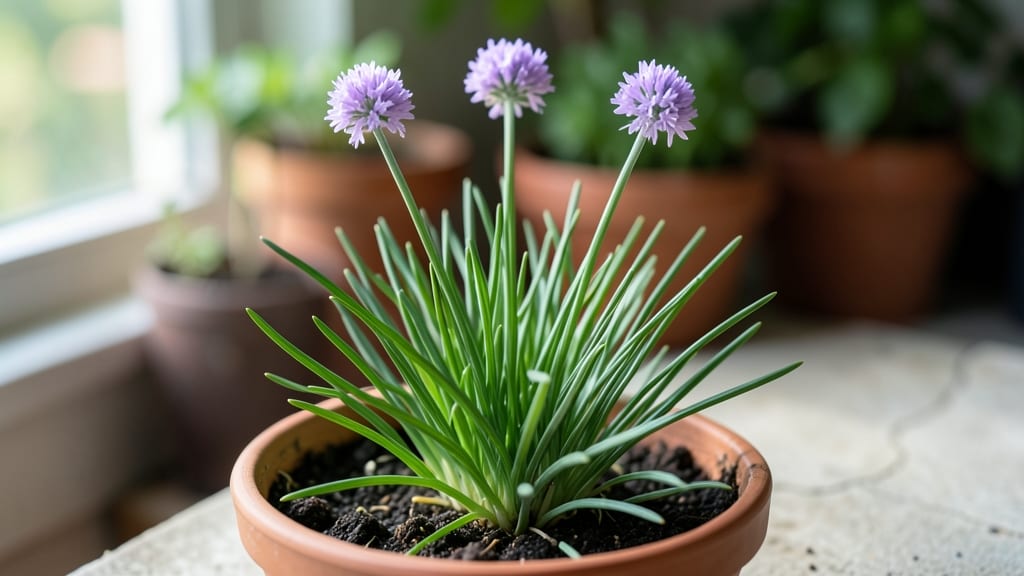
Chives do have flowers 🌱—those delicate purple spikes you might spot in late spring or summer—and they’re not just pretty, they’re edible too.
If you’ve ever wondered why your chives keep sending up those charming blooms, here’s the scoop: those flowers pack a mild onion-garlic punch and can brighten up dishes just like the leaves. But there’s more—these blooms also attract pollinators and can even be used to make floral vinegars or teas.
Timing matters if you’re hoping to harvest them. Chives typically bloom from June through September, making late spring the best time to encourage more flowers by leaving some stems uncut. The key is balancing harvests so your plants keep producing both leaves and blooms.
Below, I’ll walk you through how to identify edible chive flowers, when to pick them for cooking, and a few pro tips to get even more blooms next season—without sacrificing your herb supply.
Chive flower identification: how to spot edible blooms
Yes, chives do have flowers, and they’re one of the plant’s most charming features! These delicate blooms appear as purple-pink star-shaped flowers on slender stems that rise above the foliage. Unlike some herbs, chive flowers aren’t just pretty—they’re edible and flavorful, adding a mild onion-garlic taste to dishes.
Identifying chive flowers is easy once you know what to look for. The blooms grow in dense clusters on stems that can reach 12-18 inches tall, often appearing in late spring to early summer. Their color ranges from soft lavender to deep magenta, depending on the variety.
Here’s how to tell chive flowers apart from weeds or pests: chive blooms have six petals arranged in a star shape, while common weeds like wild garlic or grass have different structures. The flowers also grow in umbrella-like clusters, a signature trait of the Allium family.
| Feature | Details |
|---|---|
| Flower Color | Purple-pink to magenta |
| Bloom Shape | Star-shaped, 6 petals |
| Stem Height | 12-18 inches tall |
| Bloom Time | Late spring to early summer |
| Edibility | Yes, mild onion flavor |
| Duration | 4-6 weeks per bloom |
Chive flowers typically appear in late spring, often around May or June, depending on your climate. In warmer regions, they may bloom as early as April, while cooler zones might see flowers in June or July.
Each bloom lasts 4-6 weeks, but you’ll often see new flowers forming as old ones fade.
One common question is whether chive flowers affect leaf production. The short answer? Not significantly. While the plant focuses energy on blooming, it won’t stop producing leaves entirely.
However, if you want maximum leaf growth, you can prune off flowers before they fully open to redirect energy back to the foliage.
Chive flowers also serve a purpose for pollinators like bees, making them a great addition to pollinator-friendly gardens. Their delicate appearance contrasts beautifully with green foliage, adding texture and color to your herb garden or landscape.
If you’re unsure whether those spikes are chive flowers or something else, check for small bulbs at the base of the plant. Chives grow from shallow bulbs, unlike weeds that often have fibrous roots. The leaves also grow in clumps with hollow, grass-like blades.
For gardeners, recognizing chive flowers is the first step to harvesting them or encouraging more blooms. Once you spot them, you can decide whether to leave them for pollinators, harvest for cooking, or prune for leaf growth. Either way, they’re a welcome sight in any garden!
Next time you see those purple spikes, remember: they’re not just decorative—they’re edible, useful, and beautiful! Whether you’re growing chives for their leaves or flowers, they’re a versatile addition to any garden. 🌷
Harvesting and using chive flowers in cooking
Once you’ve identified those stunning purple chive flowers, it’s time to harvest them at their peak—typically when 50-75% of blooms are fully open. Use sharp clean scissors to snip stems just above the foliage base, leaving enough leaves for regrowth.
This method ensures your chives keep producing both leaves and flowers throughout the growing season.
Timing matters! Harvest chive flowers in the morning after dew dries but before the midday heat. This preserves their delicate flavor and color. Avoid harvesting when flowers are wilting or rained on, as this dulls their mild onion-garlic taste and vibrant hue.
- 1. Choose fully open blooms – Harvest when 50-75% of flowers are open for peak flavor.
- 2. Snip stems cleanly – Use sterilized scissors to cut 1/3 above the base.
- 3. Rinse gently – Hold under cool water for 10 seconds to remove debris.
- 4. Pat dry with paper towels – Remove excess moisture to preserve freshness.
- 5. Store properly – Keep in airtight container with damp paper towel in fridge for 3-5 days.
Chive flowers shine as garnishes for soups, salads, and roasted dishes. Their mild onion flavor pairs beautifully with creamy avocado or goat cheese. Try sprinkling them over deviled eggs or buttermilk biscuits for a pop of color and subtle depth.
For a bold presentation, layer them on charcuterie boards alongside fresh herbs.
Infuse white wine vinegar or olive oil with chive flowers for a floral-oniony twist. Steep 1 cup of blooms in 2 cups of hot water for 10 minutes to make a soothing herbal tea.
The flowers also add a delicate crunch to summer salads when tossed with radishes and cucumbers.
Preserve chive flowers by freeze-drying or dehydrating them for year-round use. Spread blooms on a parchment-lined tray and dry at 95°F (35°C) for 2-3 hours until crisp. Store in glass jars away from light to maintain their aromatic qualities for up to 6 months.
Never overlook chive flowers—they’re a free, edible bonus from your garden! Whether you’re elevating dishes or crafting homemade remedies, these blooms prove that beauty and utility grow hand-in-hand. 🌿