
Blooming
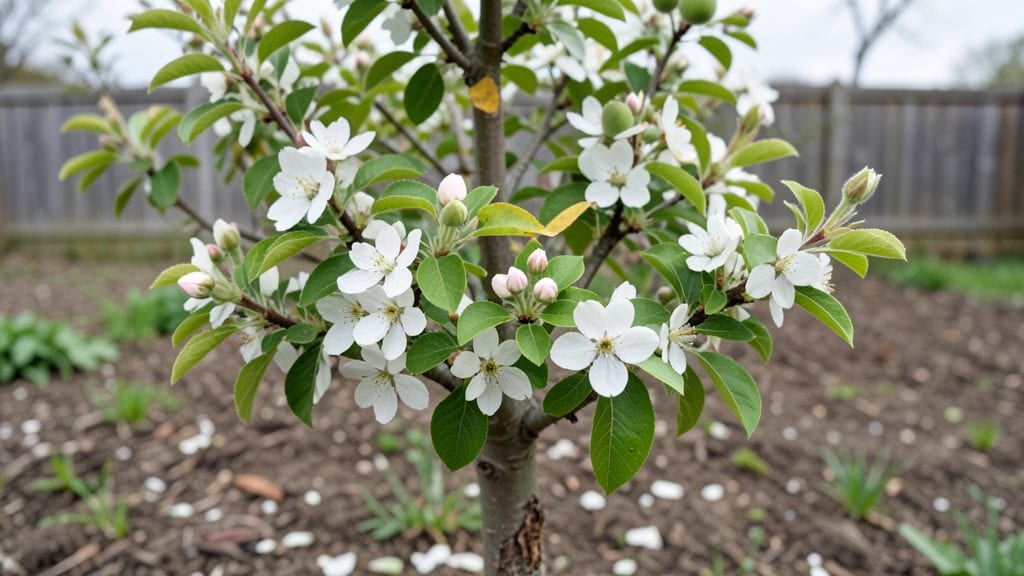
Peach trees do have flowers as part of their natural growth cycle, producing delicate white or pink blossoms in early spring before fruit develops. These flowers are essential for pollination and eventual fruit production, though cold weather can impact bloom success.
Those blossoms aren't just pretty—they're the foundation of your harvest! Peach trees typically burst into bloom between late winter and early spring, with timing varying by climate zone. 🌸 What's fascinating is how these flowers transform into fruit: after pollination, the petals drop and tiny peaches begin forming within weeks.
But here's the catch—late frosts can devastate blossoms before they even set fruit, which is why many growers use frost cloths or even wind machines to protect them during critical bloom periods.
Beyond frost protection, proper care during this phase sets the stage for a bountiful crop. I've seen firsthand how strategic pruning in late winter—opening the canopy to sunlight—can dramatically improve bloom exposure and fruit set.
The key is balancing air circulation with light access, while avoiding heavy pruning that could stress the tree right before its energy shift to flowering. And don't forget: those first few weeks after bloom are when your tree needs consistent moisture to support developing fruit.
💡 In This Article
- Peach Tree Flowering Season and Pollination Needs
- Caring for Peach Tree Blossoms to Ensure Fruit Growth
Peach tree flowering season and pollination needs
The peach tree's flowering spectacle begins in late winter or early spring, typically between February and April depending on your climate zone. Here's what's actually happening: after a period of dormancy, the tree's hormonal shifts trigger bud break, where tightly packed flower buds swell and unfurl into delicate blossoms.
These flowers aren't just ornamental—they're the reproductive organs that will develop into fruit. The blooming period usually lasts 7-14 days, during which temperatures need to stay above 50°F for optimal pollinator activity. 🌸
Peach trees rely on a combination of self-pollination and cross-pollination for fruit set. While some varieties like 'Elberta' are partially self-fertile, they produce significantly more fruit when cross-pollinated by bees visiting other peach trees. The flowers contain both male and female reproductive parts, but their effectiveness depends on proper pollination.
What most people don't realize is that peach flowers have a 24-hour window for successful pollination—once the petals drop, fertilization must occur within that day or the bloom won't develop into fruit.
The biological process involves three key stages: bloom opening, pollination, and fruit set. First, the petals unfurl to expose the reproductive structures. Then, bees transfer pollen from flower to flower, with each peach flower containing up to 50 potential ovules.
After successful pollination, the petals fall (a process called "petal fall"), and tiny peaches begin forming within 3-4 weeks. The temperature during this period is critical—ideal fruit development occurs when daytime temperatures are between 70-85°F. ⚡
Frost poses the biggest threat to peach blossoms, with temperatures below 28°F causing irreversible damage to flower tissue. This is why growers in colder regions monitor bloom timing closely and use protective measures. The flowers are most vulnerable during the full bloom stage, when they're most exposed.
Interestingly, peach trees have evolved to bloom early in spring when frost risk is highest but pollinators are still active—a delicate balance between reproductive success and environmental challenges.
Understanding your specific peach variety's pollination needs is crucial. Some commercial varieties like 'Redhaven' require cross-pollination from different varieties within a 50-foot radius for optimal fruit production. Others like 'Relenta' are more self-sufficient but still benefit from additional pollinators.
The key factor is ensuring adequate bee activity during that 7-14 day bloom window, which is why planting bee-friendly flowers nearby can dramatically improve fruit set. 💫
Here's a practical consideration: if you're growing peaches in containers or urban settings, you might need to supplement natural pollination. Hand-pollinating with a small brush can increase fruit set by up to 30% in isolated trees.
The process involves gently transferring pollen from one flower to another during the morning hours when flowers are most receptive. This becomes especially important in areas with limited bee populations or during rainy bloom periods that keep pollinators grounded.
The entire flowering process reveals nature's intricate timing system. Peach trees have evolved to bloom when winter's chill has passed but before summer's heat arrives—creating a narrow window where temperatures are perfect for both pollination and fruit development.
This delicate balance explains why peach growers often say their most critical management period begins not at planting, but during those few weeks of spring bloom. 🌟