
Pests
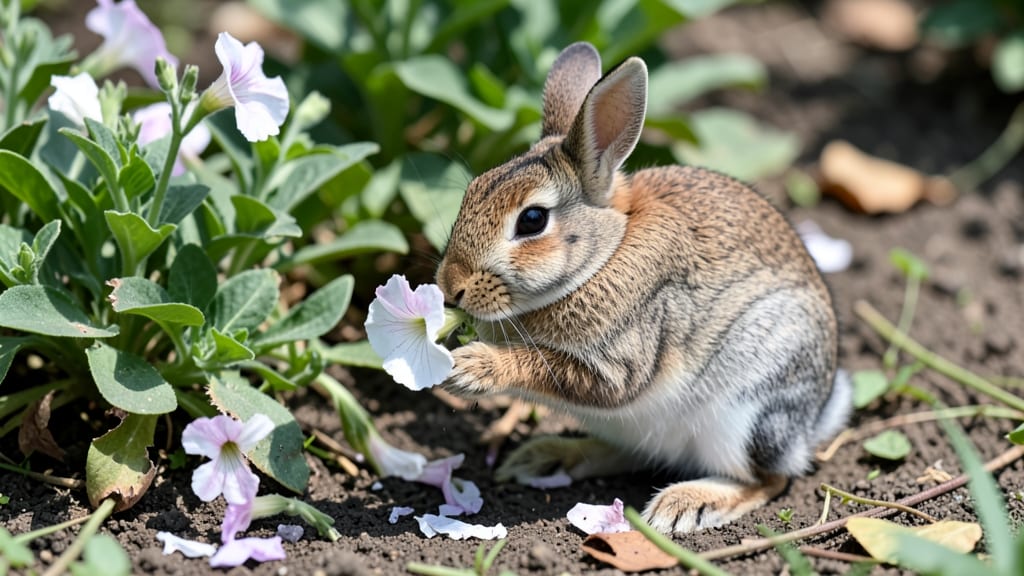
Rabbits do not eat petunia flowers, as they are toxic due to alkaloids like solanine, which can cause digestive upset, lethargy, or worse if ingested. Stick to rabbit-safe plants like cilantro, parsley, or clover instead.
Petunias contain harmful compounds that rabbits simply avoid due to their bitter taste and chemical makeup. 💛 Unlike leafy greens or herbs, these flowers pose a serious risk if nibbled—even small amounts can lead to drooling, vomiting, or worse.
I always recommend replacing them with rabbit-safe alternatives like marigolds or nasturtiums, which add color without the danger.
Another key factor is how rabbits naturally gravitate toward plants that are both palatable and nutritious. Petunias fail on both counts—their toxicity acts as a built-in deterrent, but that doesn’t mean you should take chances.
When designing a rabbit-friendly garden, focus on plants that are both visually appealing and safe for your pets to explore.
💡 In This Article
- Toxic Garden Plants Rabbits Should Avoid
- Safe Flowering Plants for Rabbit Gardens
Toxic garden plants rabbits should avoid
Petunias contain solanine and other alkaloids that act like natural pesticides, deterring herbivores. These compounds disrupt a rabbit's nervous system, starting with digestive distress and progressing to more severe symptoms.
The leaves and stems are particularly concentrated with these toxins, making them far riskier than the flowers alone. 🔥 For comparison, a single leaf could contain enough solanine to cause noticeable effects in a small rabbit.
Other garden favorites like lilies (especially true lilies) contain lycorine, which can cause kidney failure in rabbits within just 24-48 hours of ingestion. Foxglove, with its striking purple blooms, contains digitalis—a compound so potent it affects rabbits' heart rhythms, leading to erratic behavior or collapse.
Even small nibbles can be dangerous, unlike with safe plants where rabbits can graze freely.
The toxicity varies dramatically by plant part. Petunia flowers contain lower concentrations of alkaloids than their leaves, but the roots are often the most dangerous—packed with concentrated toxins that can linger in the soil. This is why even dead plants or cuttings should be removed from rabbit-accessible areas.
The bitter taste acts as a warning, but curious rabbits might still sample them, especially when other food sources are limited.
Symptoms of poisoning typically appear within 6-12 hours and include excessive drooling, lethargy, loss of appetite, and diarrhea. In severe cases, rabbits may experience seizures or respiratory distress.
The key factor here is that rabbits' livers are particularly sensitive to these compounds, making them more vulnerable than many other small animals. 💫 This is why even "safe" plants should be introduced gradually to monitor for any adverse reactions.
What most people don't realize is how quickly toxicity can escalate. A rabbit might nibble a petunia leaf without immediate effects, but repeated exposure or larger amounts can lead to cumulative poisoning.
This is why I always recommend erring on the side of caution—when in doubt, remove the plant entirely rather than risking your rabbit's health. The visual appeal of petunias can be replicated with safe alternatives like marigolds, which rabbits find unappealing but won't harm.
Another critical consideration is how these plants interact with other garden elements. For example, petunias often grow near tomatoes (another solanine-containing plant), creating a toxic zone for rabbits.
The combination of these plants in a garden bed means you'd need to create separate, rabbit-proof areas for both ornamental and edible plants. This separation isn't just about safety—it's about creating a sustainable environment where your rabbit can thrive without exposure to hidden dangers.
Here's what actually happens chemically: When a rabbit ingests solanine, it binds to acetylcholine receptors in their nervous system, causing muscle weakness and gastrointestinal upset. The plant's defense mechanism is so effective that even deer—known for their varied diets—typically avoid petunias.
This natural deterrent is why you'll rarely see rabbits grazing on them in the wild, but domesticated rabbits with limited options might still investigate. 🌟