
Light Requirements
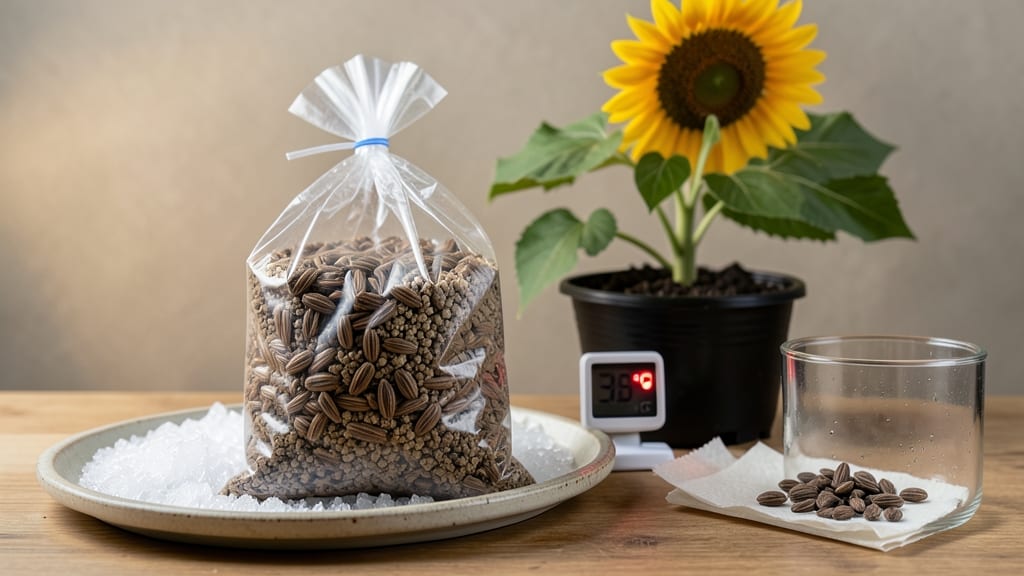
Sunflower seeds do need cold stratification to break dormancy and trigger faster, more reliable germination—though the method depends on your variety and climate.
Struggling to get your 🌻 seeds to sprout? You might be missing a simple but critical step—cold stratification could be the game-changer your garden needs.
Many gardeners overlook this step, assuming sunflowers are low-maintenance, but the truth is, a few weeks in the fridge can mean the difference between a patch of vibrant blooms and a sad, empty soil patch.
The science behind it is straightforward: cold stratification mimics the natural winter chill sunflower seeds experience in their native habitats. This process weakens the seed coat, allowing water to penetrate and kickstart the germination process. For most sunflower varieties, a 4-6 week cold treatment at temperatures around 34-40°F works wonders.
In this guide, you’ll learn exactly how to cold-stratify sunflower seeds at home, including the best timing, materials, and even alternatives if you’re short on time. Whether you’re a beginner or a seasoned gardener, these tricks will help you grow faster and healthier sunflowers.
Understanding cold stratification for sunflower seeds: does it work?
If you've ever planted sunflower seeds only to watch them sit stubbornly in the soil without sprouting, you might wonder if cold stratification is the missing link.
The short answer? Most sunflower seeds don't need it, but the science behind stratification explains why some gardeners swear by it for certain varieties or conditions. Let's break down what cold stratification actually does—and whether it's worth trying for your sunflowers.
Cold stratification mimics the natural winter chilling period many seeds experience before germinating in spring. For sunflowers, this process isn't typically required because their hard seed coats don't need breaking down through cold exposure.
However, some wild or heirloom varieties may benefit slightly from a brief cold treatment, especially if grown in regions with unpredictable spring temperatures.
Scientific insight: Sunflower seeds primarily rely on warm soil temperatures (60-85°F) to trigger germination. Cold stratification can sometimes speed up germination in seeds that have been stored too long or are from northern climates, where natural soil warming happens later in the season. But for most commercial hybrid sunflowers, this step is unnecessary and can even delay sprouting if overdone.
Here's where things get interesting: Natural vs. artificial stratification. In nature, sunflower seeds often germinate after warm spring rains follow a winter chill. But in controlled gardening, we can skip the waiting game.
Artificial stratification (like refrigeration) might help if you're planting in early spring when soil is still cool, but it's rarely a game-changer for sunflowers compared to simply waiting for warmer conditions.
| Factor | Standard Sunflower Seeds | Heirloom/Northern Varieties |
|---|---|---|
| Stratification Need | Not required | Optional (may help) |
| Best Planting Time | After last frost (60°F+ soil) | Early spring (with stratification) |
| Germination Speed | 7-14 days (warm soil) | 10-21 days (cooler soil) |
| Key Trigger | Soil warmth (60-85°F) | Warm soil + cold pretreatment |
| Best For | Fast summer growth | Early spring planting |
The biggest misconception about sunflower stratification is that it's a universal requirement. Many gardeners assume all seeds need this treatment, but sunflowers are an exception. In fact, over-stratifying can actually reduce germination rates by confusing the seed's internal clocks.
The seed's natural dormancy-breaking mechanism is primarily triggered by warmth, not cold.
That said, there are two scenarios where cold stratification might help:
- If you're planting very early in spring when soil is still cold, or
- If you're working with old seeds that have lost some viability.
In these cases, a 2-4 week cold treatment (40-45°F) can simulate natural winter conditions and encourage more uniform germination once warm soil arrives.
For most gardeners, the simplest approach is to wait until soil temperatures consistently reach 60°F or higher before planting. This mimics what sunflowers experience in their native habitats.
If you're in a hurry, you can pre-sprout seeds indoors using a warm, moist paper towel method—this often works better than stratification for sunflowers.
Another factor to consider is seed variety. Dwarf sunflowers and confectionery types (like those used for bird feed) tend to germinate reliably without stratification.
Meanwhile, giant varieties or those bred for northern climates might show slightly better results with a brief cold treatment, especially if planted in USDA Zone 3 or colder.
If you do decide to try cold stratification, keep it short and sweet. Most sunflower seeds only need 1-2 weeks in the fridge (not the freezer!) wrapped in a damp paper towel.
Any longer, and you risk reducing germination potential. The goal is to mimic natural conditions, not force the seed into dormancy.
Remember, sunflowers are fast growers once they sprout. The key to success is planting at the right soil temperature—not necessarily subjecting seeds to cold. For most gardeners, skipping stratification and focusing on warm soil conditions will yield the best results with minimal effort. 🌱
Step-by-step cold stratification process for sunflower seeds
Cold stratification isn't always required for sunflower seeds, but it can boost germination rates in cooler climates or when starting seeds indoors early. This process mimics natural winter conditions, breaking seed dormancy and preparing them for faster growth once planted.
For gardeners in USDA zones 3-6, cold stratification can make all the difference between slow sprouting and a vigorous start.
While many sunflower varieties germinate well without stratification, heirloom or wild-type seeds often benefit from this treatment. If you're growing sunflowers in shorter growing seasons or want to get a head start, cold stratification is a simple technique worth trying.
The process typically takes 2-4 weeks and requires minimal supplies you likely already have at home.
How to Cold Stratify Sunflower Seeds
- 1 Prepare your seeds: Soak sunflower seeds in lukewarm water for 24 hours to soften the outer shell. Drain and pat dry with a paper towel.
- 2 Choose a container: Place seeds in a sealed plastic bag with a damp paper towel. Use a small container or ziplock bag to hold them securely.
- 3 Refrigerate properly: Store the bag in your refrigerator at 34-40°F (1-4°C). Place it on a middle shelf where temps stay consistent.
- 4 Monitor moisture: Check the bag weekly to ensure the paper towel stays damp but not soggy. Spritz with water if needed.
- 5 Plant after stratification: After 2-4 weeks, remove seeds and plant them 1 inch deep in well-draining soil. Keep soil consistently moist until germination.
Timing is crucial when cold stratifying sunflower seeds. For spring planting, start the process 8-10 weeks before your last frost date. This gives seeds enough time to complete stratification and sprout before warm soil conditions arrive.
If you're growing sunflowers in containers, you can stratify seeds indoors year-round and transplant seedlings later.
One common mistake is over-stratifying seeds, which can lead to rot or mold. Always check for moisture buildup and ensure proper airflow in your storage container. If you notice foul odors or mold growth, discard the seeds immediately and start fresh.
For best results, use fresh seeds with a high germination rate—older seeds may not respond as well to stratification.
After stratification, you'll see faster germination and healthier seedlings compared to untreated seeds. Keep an eye out for green shoots within 7-14 days of planting. Once sprouted, provide full sun exposure and regular watering to encourage strong growth.
With this method, you'll be rewarded with taller, more vibrant sunflowers all season long.