
Flowers
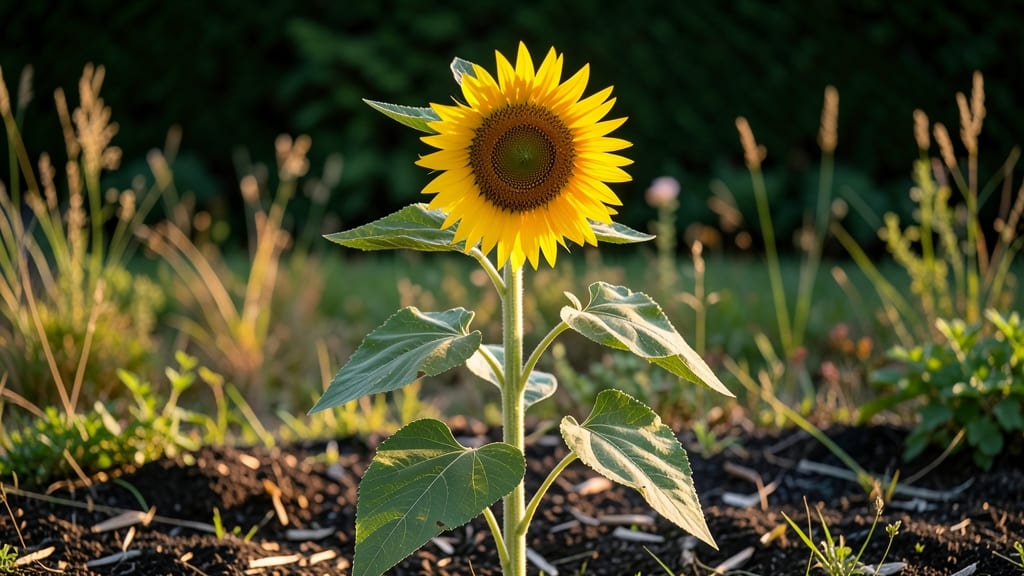
Sunflowers need full sun to thrive, reaching their full height and vibrant blooms—but what happens when they don’t get enough?
Picture this: You’ve planted your 🌻 sunflowers with high hopes, only to watch them stretch awkwardly toward the sky, their stems weak and their blooms tiny.
That’s the classic sign of insufficient sunlight, and it’s more common than you’d think, especially in Zone 6a gardens where shade from trees or buildings can sneak up on you.
Here’s the truth: While most sunflowers crave 6 to 8+ hours of direct sunlight daily, not all varieties are created equal. Some dwarf types can handle a little less, while giants like ‘Russian Giant’ will bolt or flop without plenty of light.
Below, I’ll break down exactly how much sun your sunflowers need, how to spot the warning signs, and which varieties can handle a little shade—so you can grow those towering, golden beauties you’ve always dreamed of.
You’ll also discover practical fixes for shady spots, from reflective surfaces to strategic planting, so your sunflowers don’t just survive—they thrive.

How much sun do sunflowers truly need for optimal growth?
Sunflowers are sun-loving powerhouses that thrive when basking in direct sunlight, but their exact needs often surprise new gardeners. While most varieties crave 6-8+ hours of sunlight daily, the impact of insufficient light goes far beyond just slower growth—it affects stem strength, bloom size, and seed production.
Understanding these requirements helps you position your sunflowers for maximum impact, whether in open fields or urban containers.
Research shows that sunflowers grown with full sun exposure produce 30-50% larger blooms and 20% more seeds compared to those in partial shade. The reason? Sunflowers use sunlight for photosynthesis and phototropism—a natural growth response where stems lean toward light sources.
Without adequate sun, plants become leggy, weak, and prone to flopping, especially in windy conditions.
Here’s the science: Sunflowers are C3 plants, meaning they rely on the Calvin cycle for photosynthesis, which operates most efficiently in bright light. When deprived of sunlight, they switch to photorespiration, a less efficient process that stunts growth. This explains why sunflowers in shade often develop smaller, paler flowers and fewer seeds.
| Sunlight Requirement | Ideal Duration | Impact of Insufficient Sun | Best Varieties for Partial Shade |
|---|---|---|---|
| Full Sun | 6-8+ hours/day | Taller stems, larger blooms, higher seed yield | 'Russian Giant', 'Autumn Beauty' |
| Partial Shade | 4-6 hours/day | Shorter height, smaller flowers, fewer seeds | 'Teddy Bear', 'Moulin Rouge' |
| Deep Shade | <2-3 hours/day | Stunted growth, no blooms, weak stems | Not recommended |
If you’re growing standard sunflowers like 'Russian Giant' or 'Mammoth', aim for south-facing locations with no obstructions. These varieties can reach 10-16 feet tall but need uninterrupted sunlight to support their weight.
Even 3-4 hours less sun per day can reduce their height by 30%, making them more susceptible to lodging (falling over).
For container gardening, place pots on patios, balconies, or rooftops that receive direct morning sun. South or west-facing spots are ideal, but avoid east-facing containers unless you supplement with grow lights.
Dwarf varieties like 'Teddy Bear' tolerate 4-6 hours of sun but still produce 12-inch blooms, making them perfect for urban gardens.
One common misconception is that sunflowers can thrive in partial shade if given extra water. However, water alone won’t compensate for light deprivation. Shady conditions force sunflowers to allocate energy to stem elongation rather than flower and seed development.
This is why shade-grown sunflowers often have long, weak stems and tiny, underdeveloped blooms.
To maximize growth, rotate containers every few days to ensure even light exposure. If your garden has mixed sunlight, plant shade-tolerant varieties like 'Moulin Rouge' (red-petaled) or 'Evening Sun' (bicolor) on the north or east side.
These varieties prioritize flower production over height, making them ideal for partial shade scenarios.
Pro tip: Use reflective surfaces like white gravel or mirrors to bounce extra light onto sunflowers in border gardens. This trick can add 1-2 hours of effective sunlight per day, boosting growth in marginal light conditions.
Just avoid placing reflective materials too close to the plants, which can cause leaf scorch.
Remember, sunflowers are heliotropic—they follow the sun throughout the day. This behavior maximizes photosynthesis but also makes them highly sensitive to light changes. If you notice your sunflowers leaning excessively or bending toward a window, they’re signaling a need for more direct sunlight.
Adjust their position or consider supplemental grow lights for indoor plants.
For optimal seed production, aim for 8+ hours of sunlight during the flowering stage (July-August). This ensures the disk florets (the center part of the bloom) develop fully, leading to larger, more abundant seeds.
If you’re growing sunflowers for cut flowers, 6 hours of sun is the minimum to achieve vibrant petals and sturdy stems.
Signs your sunflowers aren’t getting enough sunlight (and how to Fix it)
Sunflowers are sun-worshippers by nature, and when they don’t get enough light, their growth patterns change dramatically. If your sunflowers look leggy or their leaves turn pale, these are clear warning signs of insufficient sunlight.
Even experienced gardeners can miss these subtle cues, especially in partial shade gardens or when planting near tall structures.
One of the first visual clues is yellowing leaves, particularly on the lower stems. This happens because the plant stretches toward any available light, leaving lower leaves in the dark. You might also notice smaller, sparse blooms or stems that bend unnaturally toward the nearest light source.
These aren’t just cosmetic issues—they directly impact your sunflower’s ability to photosynthesize and produce energy.
⚠️ Sunflowers Need Full Sun—Here’s Why
Sunflowers require 6-8+ hours of direct sunlight daily to reach their full height and produce vibrant blooms. Without enough light, they become weak-stemmed and prone to pests and diseases. Even partial shade (less than 4 hours of sun) can stunt growth by 30-50% and reduce seed production.
Quick Fix: Move plants to a sunnier spot immediately—sunflowers won’t recover from chronic light deprivation.
If your sunflowers are already planted in a shady spot, don’t despair. You can maximize light exposure by using reflective surfaces, like white garden markers or even a mirror, to bounce extra light onto the plants.
Another trick is to prune nearby trees or structures to create more open space. For containers, place them on a south-facing windowsill or use a grow light for 4-6 hours daily if natural light is limited.
For gardeners with permanent shade issues, consider shade-tolerant sunflower varieties like ‘Teddy Bear’ or ‘Moulin Rouge.’ These dwarf varieties (1-3 feet tall) thrive with 4-6 hours of sunlight and still produce stunning blooms. Just be prepared for smaller flowers and slower growth compared to full-sun varieties.
Finally, monitor your sunflowers weekly for signs of improvement after adjusting their location. Healthy sunflowers should have deep green leaves, thick stems, and upright growth. If you see these changes within 2-3 weeks, you’ve successfully given your plants the light they crave!
Remember, sunflowers are resilient, but they won’t thrive without their daily dose of sunshine.
With these adjustments, your sunflowers can still reach their full potential, even in less-than-ideal light conditions. Happy gardening! 🌻