
Light Requirements
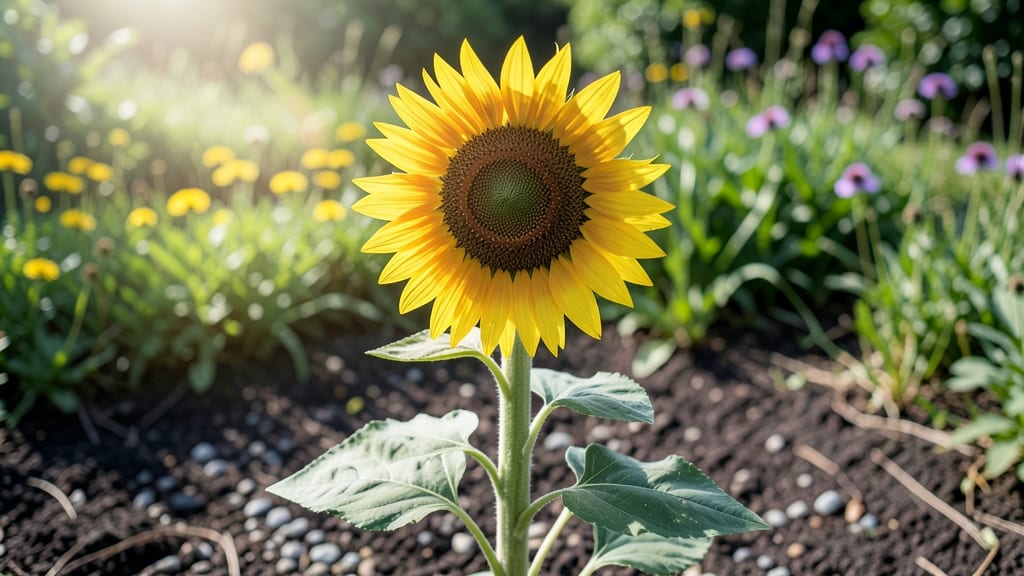
Sunflowers need sun to thrive, and 6 to 8 hours of direct light daily is their golden rule for reaching those towering heights and vibrant blooms.
Picture this: your 🌻 sunflowers planted in a shady corner, stretching like they’re reaching for a handout—only to produce tiny, sad flowers instead of the towering giants you imagined. That’s the reality when they don’t get enough sunlight, and it’s not just about looks.
Without proper light, their growth slows, their stems weaken, and their seeds never fully develop.
Sunflowers are sun worshippers by nature, evolved to soak up as much light as possible. In USDA Zone 6a, where spring planting kicks off in April, positioning them in the sunniest spot—like a south-facing patch—makes all the difference.
Even a few hours less than their ideal can turn a 10-foot giant into a wimpy 3-foot shrub.
Don’t worry if your garden has partial shade—we’ll cover how to work with what you’ve got, from choosing the right varieties to tweaking your setup for the best results. By the end, you’ll know exactly how to give your sunflowers the light they crave.

How much sun do sunflowers really need for optimal growth?
Sunflowers are sun-worshippers by nature, and their love for sunlight isn't just about aesthetics—it's about survival and productivity. These towering giants evolved to thrive in full sun conditions, where they can soak up 6-8+ hours of direct sunlight daily.
Without enough light, their growth patterns change dramatically, often leading to weaker stems, smaller blooms, and fewer seeds. The science behind this is fascinating: sunflowers rely on photosynthesis efficiency to convert sunlight into energy, and even partial shade can disrupt this process.
When planning your sunflower garden, think of sunlight as their primary nutrient source. Just like how we need food to grow strong, sunflowers need light to develop their iconic large, vibrant blooms and robust seed heads.
The minimum sunlight requirement for sunflowers is 6 hours of direct sun per day, but they truly shine (literally) with 8+ hours of exposure. This extra light boosts their height potential, flower size, and seed production, making the difference between a modest plant and a showstopper.
| Sunlight Requirement | Optimal Growth Impact | Shade Effects |
|---|---|---|
| 6+ hours daily | Minimum for survival; basic growth | Leggy stems, small blooms |
| 8+ hours daily | Ideal for maximum height, blooms, and seeds | Minimal impact; healthy development |
| 4-6 hours daily | Stunted growth, fewer flowers | Pale leaves, weak stems |
| Less than 4 hours | Poor survival; minimal blooms | No flowering; seed production fails |
| Full sun exposure | Tallest stems (10-16 ft), largest blooms (12+ inches) | None; thrives naturally |
Let's break down what happens when sunflowers don't get enough sunlight. With less than 6 hours of sun daily, you'll notice their stems stretching unusually tall and thin—a classic sign of etiolation, where plants reach for light.
This not only makes them look weak but also increases the risk of stem breakage under wind or rain. The flower heads themselves will shrink significantly, often producing blooms that are half the size of their sun-soaked counterparts.
Even more concerning is the seed production, which can drop by 50% or more in low-light conditions.
The photosynthesis process in sunflowers is highly efficient when they receive ample sunlight. Chlorophyll in their leaves absorbs light energy to convert carbon dioxide and water into glucose and oxygen. In full sun conditions, this process accelerates, allowing sunflowers to produce more energy for growth.
When shade limits light absorption, the plant's energy production slows, leading to reduced overall vigor. This is why sunflowers grown in partial shade often look lanky and underdeveloped compared to their sun-loving siblings.
For optimal growth and flowering, aim to plant sunflowers in the sunniest spot of your garden. If you're working with limited space, consider using reflective surfaces like white walls or mulch to bounce extra light onto your plants.
In urban settings, containers placed on south-facing balconies or rooftops can provide the additional sunlight boost sunflowers crave. Remember, even a few extra hours of sunlight can make a world of difference in their development.
One common misconception is that sunflowers can thrive in partial shade, especially in hot climates. While they can tolerate some shade, especially during the hottest afternoon hours, prolonged shade will still hinder their growth.
If you're in a region with intense afternoon sun, planting sunflowers where they receive morning sun and afternoon shade can be a compromise. However, this approach will likely result in smaller plants and fewer blooms compared to full-sun exposure.
If you're growing sunflowers for seed production, sunlight becomes even more critical. The seed heads require maximum energy to develop properly, and insufficient light leads to smaller, lighter seeds with lower viability.
For commercial growers or seed savers, ensuring 8+ hours of sunlight daily is essential to maximize yield and seed quality. Even in home gardens, prioritizing sunlight will give you the most impressive sunflowers and the best chance for successful seed harvesting.
Pro tip: Pay attention to your sunflower's leaf color and orientation. Healthy sunflowers in full sun will have deep green, upright leaves facing the sky. If leaves appear pale or yellowish, it's a sign they're not getting enough light.
Additionally, sunflowers will naturally track the sun throughout the day—a behavior called heliotropism—which maximizes their sunlight exposure. If you notice your sunflowers aren't turning toward the sun, they might be struggling with insufficient light.
In summary, sunflowers are full-sun plants through and through. While they can survive with 6+ hours of sunlight daily
Signs your sunflowers aren’t getting enough sunlight (and how to fix it)
Sunflowers are sun-worshippers, and when they don’t get enough light, their growth suffers in surprising ways. If your plants are stretching unusually tall with spindly stems, it’s a red flag. This leggy growth happens when they reach for sunlight, weakening their structure and reducing flower size.
Even the vibrant yellow petals can turn dull or fail to open completely, leaving you with underwhelming blooms.
Another clue is pale or yellowing leaves, especially on the lower stems. Sunflowers need strong light to produce chlorophyll efficiently, and insufficient sun leads to poor energy production.
You might also notice fewer buds forming or flowers that bolt too quickly—a sign the plant is stressed and prioritizing seed production over robust growth. Even the seed heads may be smaller or less plentiful, disappointing if you’re growing sunflowers for harvest.
⚠️ callout-warning ⚠️
Sunflowers require 6–8 hours of direct sunlight daily. Without it, they’ll show these 3 warning signs:
- ✖️ Leggy, weak stems (reaching for light)
- ✖️ Small, pale, or non-opening blooms
- ✖️ Yellowing lower leaves (chlorophyll loss)
Fix it fast: Move plants to sunnier spots, use reflective surfaces (like mirrors), or choose shade-tolerant varieties if full sun isn’t possible.
If you’ve ruled out overwatering or pests, the issue is likely sunlight. Start by relocating your sunflowers to the sunniest spot in your garden, ideally facing south in the Northern Hemisphere.
Even a few extra hours of light can make a dramatic difference in stem strength and bloom size. For containers, place them on a sunny patio or balcony where they can soak up maximum rays.
For gardeners with limited sunlight, consider reflective surfaces like white walls, aluminum foil, or mirrors angled toward your plants. These tricks can bounce extra light onto sunflowers, mimicking full-sun conditions.
Another trick is to thin out nearby plants that might be shading your sunflowers, ensuring they get the uninterrupted light they crave.
If relocating isn’t an option, opt for shade-tolerant sunflower varieties like 'Autumn Beauty' or 'Teddy Bear'. These dwarf or semi-dwarf types handle partial shade better than giant varieties, though they’ll still produce smaller blooms.
For container gardening, choose compact varieties and rotate pots daily to ensure even light exposure.
Remember, sunflowers are phototropic, meaning they grow toward light. If your plants are leaning one-sided, it’s another sign of insufficient or uneven sunlight. By addressing these issues early, you’ll revitalize your sunflowers and enjoy taller stems and bigger blooms all season long. 🌻