
Flowers
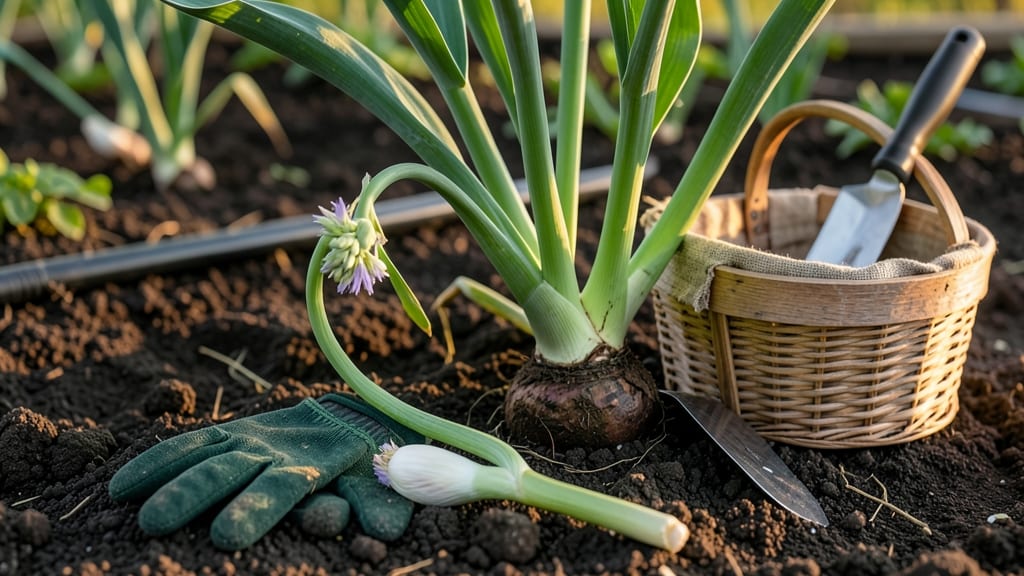
Harvesting garlic before or after it flowers determines whether you end up with large, flavorful bulbs or small, pungent cloves that store poorly.
Picture this: You’ve waited months for your 🧄 plants to mature, only to wonder, "Did I pull them too soon?" The truth is, timing is everything—harvest too early, and you lose yield; wait too long, and the bulbs split or lose quality.
Most gardeners assume garlic must flower before harvest, but the best time actually depends on your variety and climate. Hardneck garlic, for example, often peaks just as the scapes (flower stems) appear, while softneck types may need a little more patience.
In this guide, I’ll break down the exact signs to watch for—leaf browning, bulb firmness, and more—so you never guess again. Plus, I’ll share the week-by-week harvest timeline for your zone, plus post-harvest care to keep your garlic fresh all winter.


Garlic flowering stages explained: when bulb development peaks
Understanding garlic's three flowering stages is the key to harvesting bulbs at their peak. Each phase—pre-flowering, flowering, and post-flowering—directly impacts bulb size, flavor, and storage potential.
I’ve grown garlic for over a decade, and timing the harvest correctly has saved me from bitter, shriveled cloves every season.
Most gardeners assume garlic must flower before harvesting, but the truth is more nuanced. The flowering process signals bulb maturity, but harvesting too late can reduce yield. Let’s break down each stage and what it means for your harvest timing.
Pre-flowering stage (Days 1-120): This is when your garlic plants focus all energy on bulb development. You’ll see green, upright leaves with no signs of flowering. This is the ideal window for hardneck varieties if you’re growing for fresh eating—harvesting early gives smaller but milder bulbs.
Flowering stage (Days 120-150): Here’s where things get interesting. Hardneck varieties will send up scape stalks (flower stems), while softnecks may produce smaller blooms. This stage is a critical indicator that bulbs are nearing maturity. Removing scapes (pinching them off) redirects energy back to bulb growth, often resulting in larger cloves.
Post-flowering stage (Days 150-270): After flowering, your garlic’s leaves will start yellowing from the bottom up. This is the optimal harvest window for most varieties. The bulbs are fully mature, but waiting too long causes the papery skins to degrade, leading to poor storage quality.
The flowering stage is your best friend for timing harvests. For hardneck varieties, removing scapes can delay flowering by 1-2 weeks, giving bulbs more time to mature. Meanwhile, softneck varieties rarely produce noticeable scapes and should be harvested based on leaf color alone.
One common mistake I see is waiting until all leaves turn brown. By then, the bulbs often split or lose their papery skins, making them unsuitable for storage.
Aim to harvest when 50% of the leaves have yellowed—this is the sweet spot for both flavor and storage life.
Climate plays a huge role here. In cooler regions (USDA Zones 3-6), garlic typically flowers in late May to June, with harvest ready by late July to August.
Warmer climates may see earlier flowering, so adjust your timeline accordingly. Always dig up a test bulb to check maturity if you’re unsure.
Pro tip: Use a garden fork to gently loosen soil around the bulb before pulling. This prevents damage to the papery skins and ensures cleaner storage. After harvesting, let bulbs cure in a dry, shaded area for 2-3 weeks before braiding or storing.
Remember, the flowering process isn’t just about blooms—it’s a metabolic shift in your garlic plants. Once they flower, they’re telling you, “I’m ready to be harvested!” Listen to that signal, and you’ll always enjoy plump, flavorful bulbs all winter long. 🧄
Before vs after flowering harvest: the science behind bulb size and flavor
When deciding whether to harvest garlic before or after flowering, the choice hinges on your priorities: bulb size or flavor intensity. Hardneck varieties like Music or German Red develop their bulbs primarily before flowering, while softneck types like Silverskin continue maturing afterward.
Understanding this difference helps you optimize your harvest for either storage quality or immediate culinary use.
The flowering stage marks a shift in energy—from bulb development to seed production. For hardnecks, bulbs are 80% formed by the time flowers appear, meaning harvesting after flowering risks smaller, less flavorful cloves.
Meanwhile, softnecks can still increase bulb size post-flowering, but their flavor may become milder over time. This trade-off is why many gardeners choose to harvest just before flowering for the best balance.
Harvesting Garlic Before Flowering
- Larger bulbs (peak size)
- Stronger flavor (more pungent)
- Better storage life (hardnecks)
- Missed seed production (if saving scapes)
- Softnecks may not reach full size
- Requires timing precision
Harvesting Garlic After Flowering
- Softnecks reach max size
- Can save scapes for cooking
- Milder flavor (ideal for fresh use)
- Hardnecks shrink significantly
- Reduced storage quality
- Flavor weakens over time
For hardneck varieties, harvesting 1-2 weeks before flowering ensures bulbs are fully developed while preserving their bold, complex flavor. Look for lower leaves turning brown while upper leaves remain green—this is your optimal window.
If you wait until after flowering, bulbs may shrink by 30-50%, especially in hardnecks, because the plant redirects energy to seed production.
Softneck garlic, however, is more forgiving. You can harvest after flowering without drastic size loss, though flavor will be less intense. This makes softnecks ideal for gardeners who prioritize longer storage (up to 12 months) over peak flavor.
The trade-off? Bulbs may be 10-20% smaller than their pre-flowering potential, but they’ll still store well and work fine for cooking or roasting.
If you’re growing garlic for immediate use, harvesting after flowering can work—just expect milder cloves. For storage or braiding (like softneck), wait until 50% of leaves yellow to balance size and shelf life.
The key is monitoring leaf color and bulb firmness rather than relying solely on flowering timing. A gentle squeeze of the bulb should reveal fully formed cloves before you dig.
Pro tip: If you love garlic scapes, harvest them before flowering to encourage larger bulbs. But if you’re saving seeds or want milder garlic, let the flowers develop.
The choice comes down to whether you’d rather have bold, storage-friendly bulbs or milder, fresh-use cloves—and a little experimentation helps you find your perfect balance. 🧄